

Understanding the Declaration of Helsinki and Its Role in Ethical Medical Research
The Declaration of Helsinki is a key ethical framework for medical research involving human participants. Adopted by the World Medical Association in 1964, it outlines the principles and guidelines to ensure that research is conducted in a way that protects the rights, well-being, and dignity of participants, while also promoting scientific progress. The declaration is rooted in the idea that medical research must be conducted with respect for human rights, ensuring that knowledge gained benefits society without causing unnecessary harm to individuals.
Why the Declaration of Helsinki Is Important

The Declaration of Helsinki serves as a vital safeguard in medical research, ensuring that human participants are treated ethically and fairly. Originally developed from earlier ethical frameworks like the Nuremberg Code (1947) and Declaration of Geneva (1948), it focuses on preventing unethical practices, such as exploiting vulnerable individuals or conducting experiments that disregard human dignity. It is particularly important because it reinforces the idea that the health and well-being of participants should always come first, even in the pursuit of new medical knowledge.
While the Declaration has undergone several revisions (nine times from 1975 to 2013), its core values remain the same: protecting human subjects and conducting research with integrity.
Guiding Principles of the Declaration of Helsinki

The guiding principles behind the Declaration of Helsinki are designed to ensure that medical research is done responsibly, prioritizing the health and safety of participants:
- Protecting Patient Health: The fundamental priority in any medical research is to prioritize the health and well-being of participants, aligning with the ethical motto “First, do no harm.”
- Balancing Knowledge and Rights: While the goal of medical research is to improve understanding of diseases and treatments, this should never come at the cost of individual rights. The Declaration stresses that research must always respect the rights of the participants, including their right to privacy, autonomy, and dignity.
- Scientific Integrity: Research must be conducted with sound scientific methods, and it should be transparent about funding sources, conflicts of interest, and the methodologies used. Ethical guidelines ensure that researchers can pursue new knowledge without compromising the integrity of the research.
- Special Protections for Vulnerable Groups: Individuals who are more vulnerable (e.g., children, prisoners, or those with mental disabilities) must receive additional protections. These groups are at a higher risk of exploitation, and special considerations are made to ensure their safety and fairness in medical research.
- Informed Consent: All research participants must provide voluntary, informed consent before participating. This means participants should fully understand the purpose of the study, the procedures involved, potential risks, and benefits. They must also be made aware of their right to withdraw at any time without consequences.
- Monitoring and Regulation: Medical research must be reviewed by an independent ethical review committee (often referred to as an Institutional Review Board or IRB) to ensure the study adheres to ethical standards. The committee monitors the progress of the study, ensuring that it remains safe for participants.
- Confidentiality and Privacy: Ensuring the confidentiality of personal data is paramount. Participants’ privacy must be respected at all stages of the research process, including during data collection and reporting.
Special Considerations in the Declaration of Helsinki
The Declaration addresses several specific areas in medical research that require special ethical considerations:
- Risk vs. Benefit Evaluation: Medical research can only be conducted if the benefits outweigh the risks to the participants. Risks must be actively managed, and if they begin to exceed the potential benefits, the study should be stopped or modified.
- Use of Placebos: Placebos should only be used in studies if no proven treatment exists, and participants should not be harmed by the absence of treatment.
- Post-Trial Provisions: If a medical intervention proves to be beneficial during a study, provisions should be made to offer the intervention to all participants after the trial ends.
- Transparency in Reporting: All findings from medical research, both positive and negative, must be shared with the public to ensure that knowledge is disseminated honestly and accurately.
The Evaluation Process in Medical Research
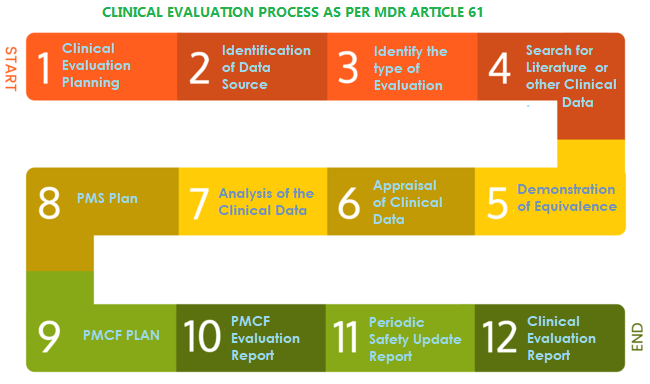
The evaluation of a research proposal is an essential part of ensuring that it meets ethical guidelines. The proposal is typically submitted to an independent ethics committee, which will review:
- The scientific basis of the research
- The potential risks and benefits to participants
- The informed consent process
- Confidentiality measures
Once the research begins, it is continuously monitored, and if any serious adverse events occur, they must be reported and assessed by the ethics committee. At the end of the study, a final report with all findings is submitted to the committee.
Summary
The Declaration of Helsinki plays a crucial role in guiding ethical medical research by ensuring the safety and rights of participants while advancing scientific knowledge. It prioritizes participant well-being, informed consent, privacy, and transparency throughout the research process. The declaration has undergone several revisions, but its core principles remain focused on preventing harm to individuals and ensuring that research benefits society.
Medical researchers are required to follow these ethical principles and work under the guidance of healthcare professionals to conduct safe and responsible research. When done correctly, medical research can lead to important breakthroughs, but only when it’s conducted with respect for the dignity and rights of the people who participate.
FAQs
Q: What is the Declaration of Helsinki?
A: It is an ethical framework for medical research that ensures the protection and well-being of human participants in research studies.
Q: What does the Declaration of Helsinki require from researchers?
A: Researchers must follow ethical guidelines that prioritize participant safety, informed consent, confidentiality, and transparency throughout the study.
Q: How does the Declaration of Helsinki protect vulnerable individuals?
A: It mandates additional protections for vulnerable groups, such as children, prisoners, or those with mental disabilities, ensuring they are not exploited or exposed to unnecessary risks.
Q: Is the Declaration of Helsinki legally binding?
A: While the Declaration itself is not legally binding, it provides a standard for ethical conduct in medical research. Many countries and institutions incorporate its principles into their legal frameworks for conducting research.
Q: How does the Declaration of Helsinki relate to the use of placebos in research?
A: The use of placebos is allowed only when there is no proven treatment available, and it should not harm participants. Ethical guidelines require that participants are fully informed about the use of placebos.
Conclusion: A Commitment to Ethical Research
The Declaration of Helsinki is a cornerstone of ethical medical research. By ensuring that patient safety and rights are always prioritized, it protects participants while fostering scientific discovery. Researchers must adhere to these principles to maintain public trust and ensure that medical advancements do not come at the expense of vulnerable individuals.