
What Is a 504 Plan?
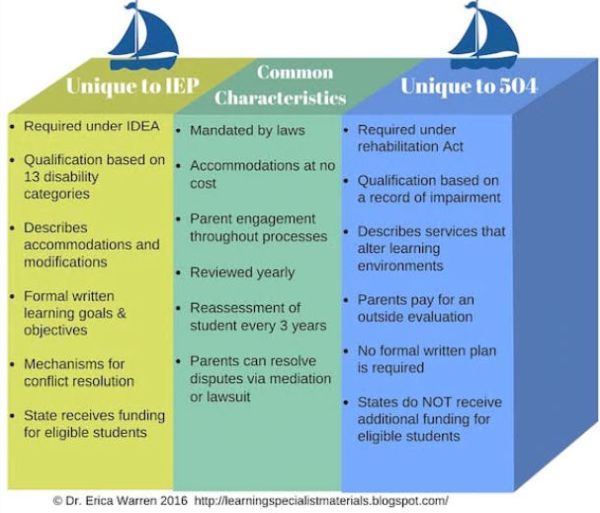
A 504 plan is a tool designed to help students with physical or mental health disabilities that impact their ability to carry out daily activities at school. This plan, which falls under a civil rights law called the Rehabilitation Act of 1973, provides accommodations to ensure that children with disabilities can access and succeed in their education. Importantly, these plans are offered at no extra cost to families.
The 504 plan covers various resources and adjustments to help students overcome barriers to learning. These could include changes like modified textbooks, special seating arrangements, ramps or elevators, and more.
504 Plan vs. IEP: What’s the Difference?

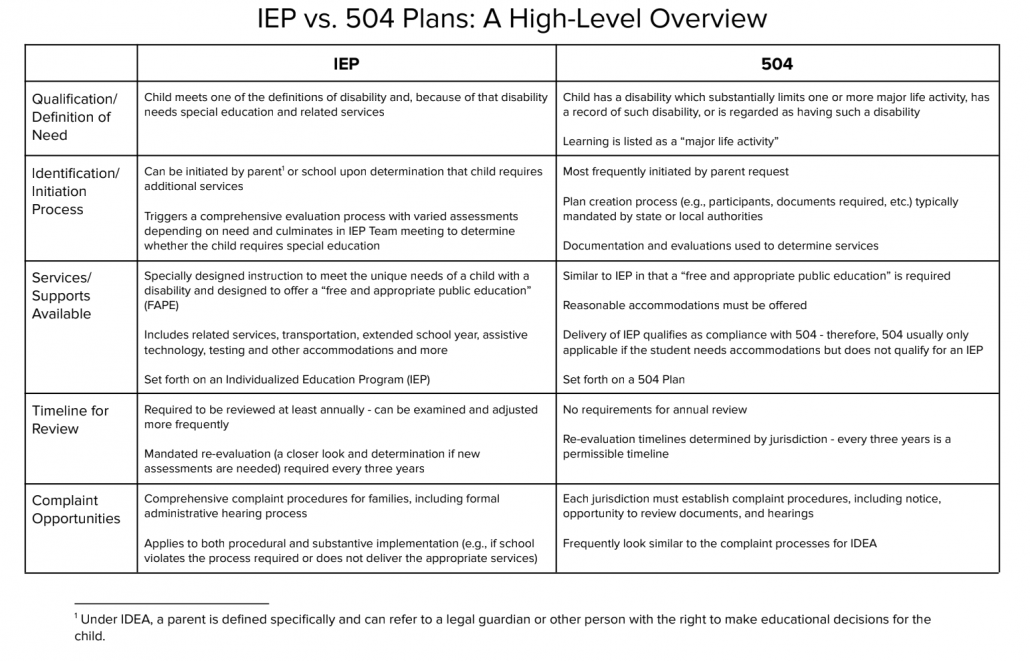
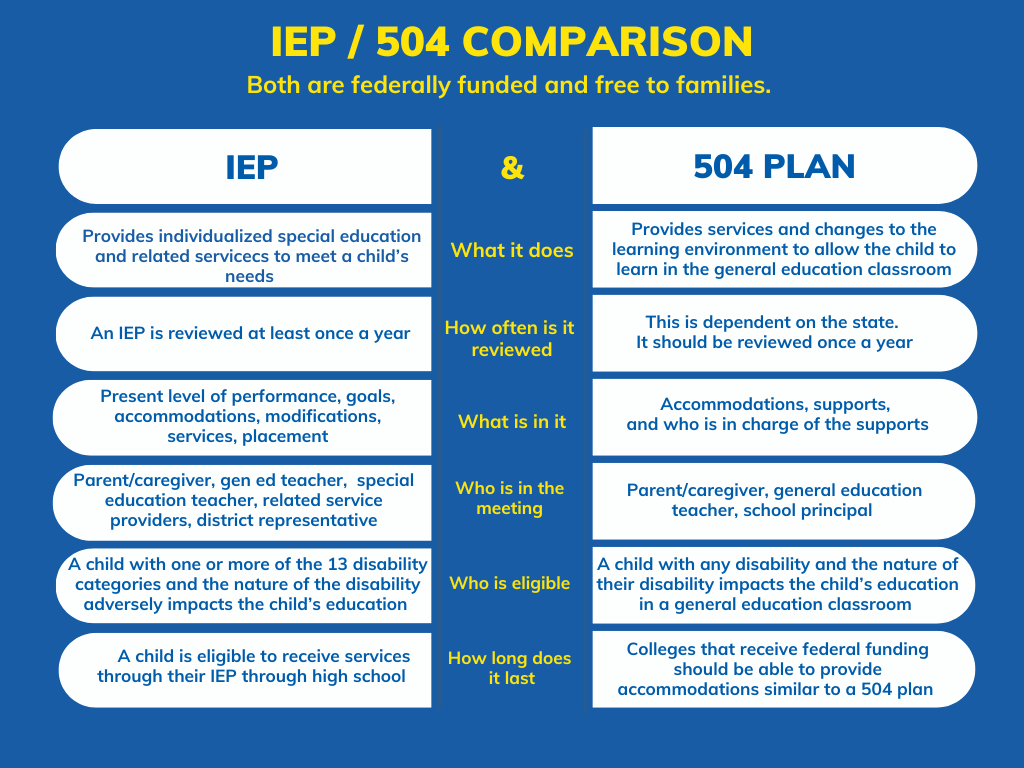
While both a 504 plan and an Individualized Education Program (IEP) are designed to support students with disabilities, they differ in key areas:
- Eligibility: The 504 plan covers a broader range of disabilities, including those that might not affect academic performance. It’s more focused on providing accommodations to help students with disabilities function better in a classroom setting. On the other hand, an IEP is tailored for children who are significantly struggling academically.
- Evaluation Process: A 504 evaluation is generally less formal than an IEP evaluation.
- Documentation: The IEP requires a written plan with clear goals and services, while the 504 plan is less specific about the details.
- Review Requirements: IEPs are reviewed annually, and a full evaluation occurs every three years. 504 plans are reviewed periodically, but the exact timeline can vary by state.
- Services Provided: An IEP includes specific educational goals and services, while a 504 mainly focuses on accommodations to remove barriers.
Who Needs a 504 Plan?
A 504 plan is for children whose disabilities affect their daily activities but don’t necessarily impact their academic performance. For example, children with chronic illnesses (like asthma or diabetes), physical disabilities (like cerebral palsy or spina bifida), or mental health conditions (like ADHD) could qualify. The key is that the disability needs to be significant enough to require accommodations but not to the extent that it hampers learning entirely.
It’s also possible for a child to have both a 504 plan and an IEP, but this is uncommon. Typically, an IEP is for students who need special education services due to academic struggles, while a 504 plan offers accommodations without the need for special education.
What Does a 504 Plan Include?
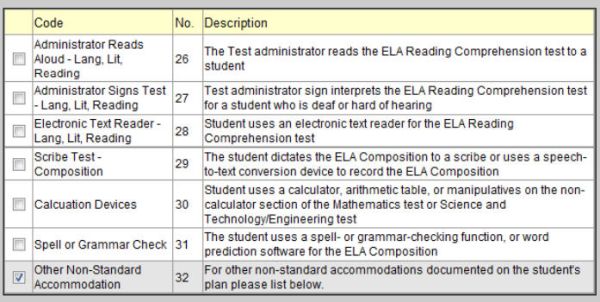
A 504 plan outlines how the school will help remove obstacles for a child with a disability. The accommodations can be related to the physical environment, the classroom setting, or the curriculum itself. Here are some examples:
- Classroom Modifications: This could include giving a child with ADHD a seat in the front of the class or allowing them to take tests in a quieter space.
- Health-related Accommodations: For students with chronic conditions like diabetes, the school nurse might assist with medication, monitor blood sugar levels, or allow for frequent breaks.
- Physical Accessibility: For a student who uses a wheelchair, the school could provide ramps or elevators, as well as assistance with mobility or specialized utensils for eating.
- Modified Learning Tools: For example, students might be given audio-visual aids, or they could use technology like voice-to-text tools for assignments.
Example of a 504 Plan

Here’s an example of a 504 plan for a child who uses a wheelchair and has trouble with fine motor skills. This student doesn’t need special education services but needs help with mobility and other daily tasks. The accommodations might include:
- Assistance from the school nurse to monitor medication
- Technology tools, such as voice-to-text software for homework
- Modified seating arrangements, like sitting at the front of the class
- Ramps and elevators for easier access around the school
- Help carrying books or providing extra books to keep at home
- Special utensils to assist with eating
- Physical therapy sessions at school
- Education for teachers and students about the child’s disability
How Does the 504 Evaluation Process Work?

The evaluation process for a 504 plan is generally simpler than the one for an IEP. It typically starts with a request from a parent, teacher, or guardian, with parental approval. The 504 team then assesses the child’s needs by reviewing medical records, school records, classroom observations, test scores, and other relevant data. The team determines if the disability limits any major life activities, such as learning, and whether accommodations are needed.
What to Expect During the Evaluation

If you’re a parent or guardian, you can expect to be involved in the process. Schools are not legally required to invite you to the evaluation meeting, but they typically will. It’s a good idea to come prepared with your notes about your child’s strengths, challenges, and any additional information that could help the team understand your child’s needs.
Once the 504 plan is in place, it’s important to stay involved. Keep track of your child’s progress, ask for updates, and don’t hesitate to communicate concerns or suggest new accommodations if needed.
Summary
A 504 plan helps students with disabilities access an education by removing barriers and providing necessary accommodations, all at no extra cost to families. While it’s similar to an IEP, the 504 plan is broader in scope and is less formal in terms of evaluation and documentation. It focuses on providing accommodations to children with disabilities that impact their daily life, including physical and mental health conditions.
If you think your child might benefit from a 504 plan, it’s important to understand the process, know what accommodations might be available, and stay involved in the ongoing development and review of the plan.
FAQs
Q: What kind of disabilities qualify for a 504 plan?
A: Physical or mental health disabilities that affect daily activities, such as asthma, ADHD, diabetes, cerebral palsy, or other chronic conditions, could qualify for a 504 plan.
Q: Can a child have both a 504 plan and an IEP?
A: While rare, it’s possible for a child to have both plans, but usually, a 504 plan is for children who don’t need special education services but require accommodations to succeed in school.
Q: How long does the 504 plan last?
A: A 504 plan is typically reviewed periodically, though the timeline can vary by state or school district. It’s important for parents to stay involved and make adjustments if needed.
Q: Does a 504 plan include academic modifications?
A: Yes, a 504 plan can include modifications to help with learning, like providing audio-visual aids or technology assistance, as well as physical accommodations like ramps and elevators.
Q: How do I request a 504 plan for my child?
A: Parents can request a 504 evaluation by contacting the school. The process will involve a team assessment based on medical records, classroom performance, and other relevant information.
Conclusion: Understanding the 504 Plan
The 504 plan is an essential resource for students with disabilities, ensuring they have equal access to education by removing barriers that might otherwise hinder their learning. It’s a part of the Rehabilitation Act of 1973 and offers accommodations at no extra cost to families, helping students with both physical and mental health conditions.
While the 504 plan is similar to an Individualized Education Plan (IEP), it’s broader and designed for students who may not need special education services but still require adjustments to succeed. The accommodations can range from physical changes like ramps and elevators to academic adjustments like modified textbooks and technology tools.
If you think your child may benefit from a 504 plan, it’s important to understand how the evaluation process works and what accommodations are available. As a parent or guardian, staying involved in your child’s educational journey and advocating for their needs is key to ensuring they receive the support they deserve. With the right accommodations in place, a 504 plan can help a child overcome challenges and thrive in school, no matter the disability.