
What Happens to Your Skin When You Dry Brush Regularly?
The glow-up ritual your skin (and body) will thank you for
Dry brushing may seem like just another beauty trend making rounds on social media—but it’s actually a centuries-old ritual that’s earned its place in modern skincare routines for good reason. Done correctly and consistently, dry brushing can be a total game changer for your skin’s texture, circulation, and overall tone.
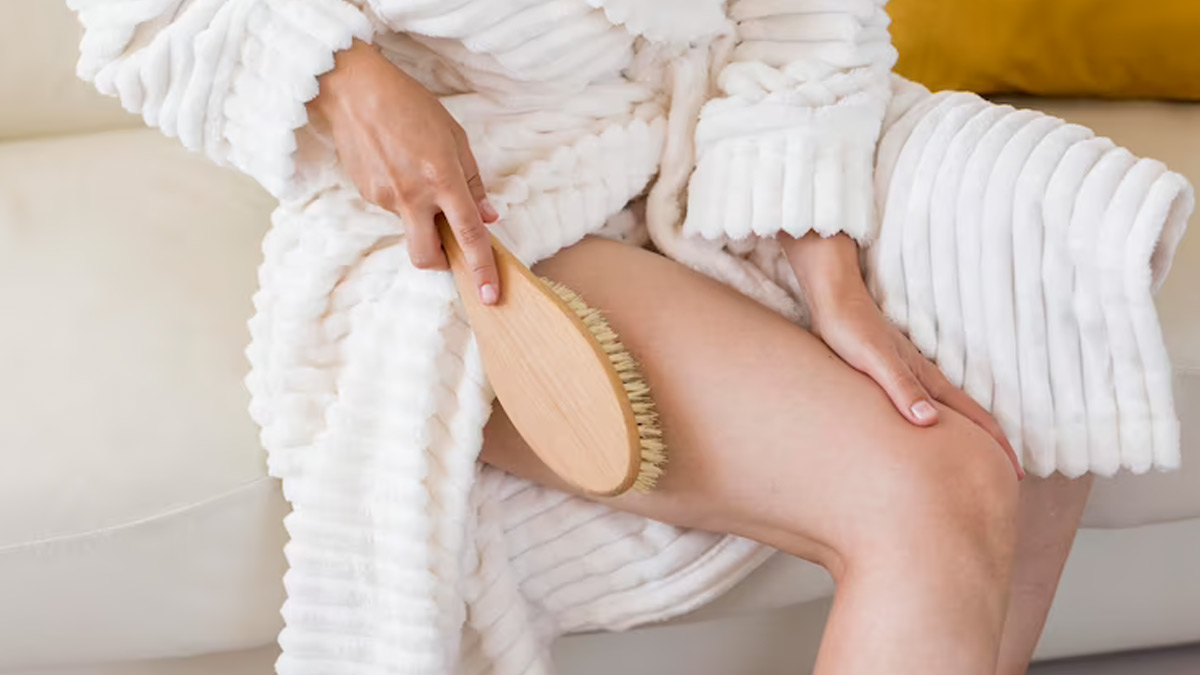
But what exactly happens when you dry brush regularly? Are all those skin-smoothing, glow-boosting, circulation-enhancing claims legit? Let’s break it all down so you can decide whether dry brushing deserves a spot in your routine—and how to make the most of it.
🌿 What Is Dry Brushing, Anyway?
Dry brushing is the practice of using a firm, natural-bristled brush on dry skin, typically in sweeping upward strokes before you shower. The goal? To exfoliate, stimulate circulation, and promote a healthier-looking glow.
It’s often recommended as a quick, invigorating step in your morning routine—and while it’s not magic, regular dry brushing can create noticeable and long-lasting changes in your skin and how your body feels.
✨ What Happens to Your Skin When You Dry Brush Regularly
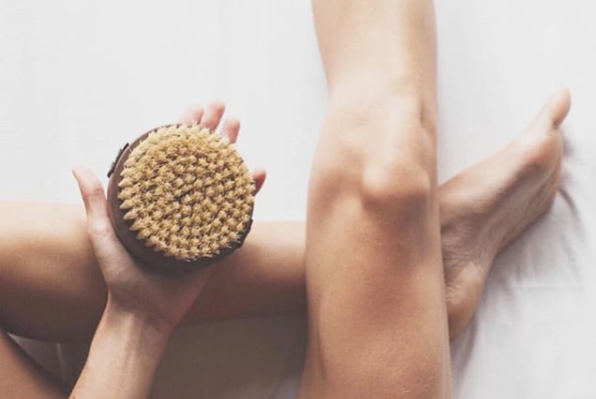
When you stick with dry brushing a few times a week (or more if your skin can tolerate it), here’s what starts to happen:
1. Your Skin Becomes Noticeably Smoother
The biggest—and fastest—benefit most people notice is silky, soft skin. Dry brushing sloughs off dead skin cells sitting on the surface, which not only makes your skin feel smoother but also prevents buildup that can lead to dullness or clogged pores.
You’ll notice:
- Fewer dry patches
- Improved skin tone
- A healthy, even glow
- Better product absorption (moisturizers sink in more easily)
2. Circulation and Lymphatic Flow Get a Boost
That light pink flush you get after brushing? That’s increased blood circulation—a good thing! Regular stimulation encourages oxygen-rich blood to flow closer to the skin’s surface, delivering nutrients and carrying away waste products.
Dry brushing also supports your lymphatic system, which plays a crucial role in detoxification. By brushing toward the heart, you help move lymph fluid through the body, which may:
- Reduce water retention
- Ease puffiness
- Support your immune system
While it’s not a detox cure-all, many people say dry brushing leaves them feeling refreshed and energized.
3. Cellulite May Appear Less Noticeable (Temporarily)
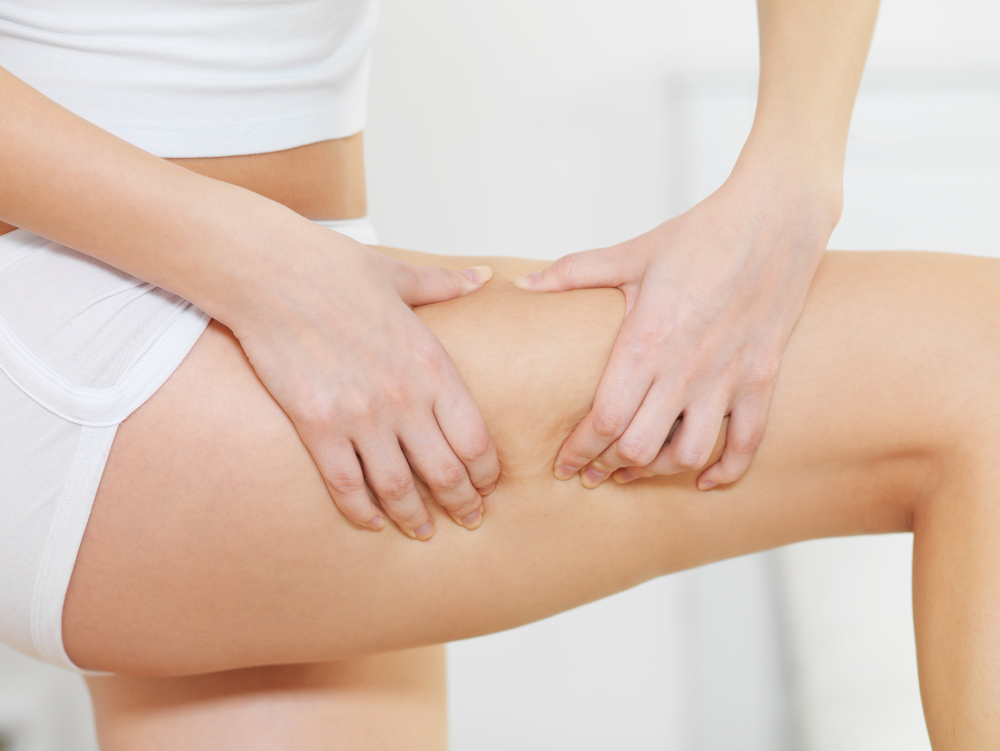
Let’s be real—dry brushing won’t cure cellulite, but it may temporarily minimize its appearance. The increased blood flow and light exfoliation can plump the skin slightly and smooth uneven texture, making dimpled areas (like thighs or buttocks) look firmer.
Consistency matters here—results are subtle and short-term, but many users swear by this benefit as a reason to keep brushing.
4. Your Skin May Become Less Congested
Because dry brushing helps exfoliate and clear away dirt, oils, and dead skin, you might notice:
- Fewer ingrown hairs
- Less body acne (especially on the back or buttocks)
- Improved skin clarity
This is especially true when paired with a shower afterward and a non-comedogenic moisturizer.
5. You’ll Develop a Mindful Self-Care Routine

Dry brushing is more than a physical ritual—it’s a mental refresh, too. The simple act of taking a few minutes to care for your body can boost your mood, help you feel grounded, and start your day with intention.
It’s one of those rare beauty habits that benefits both your skin and your mindset—all in just five minutes.
🔁 What to Expect Over Time: A Timeline
- After 1–2 sessions: Skin feels smoother; a slight glow may appear.
- After 1–2 weeks: Skin texture improves; less dryness or flakiness; better product absorption.
- After 3–4 weeks: Circulation may feel more active; cellulite might look less obvious; more consistent skin tone.
- Ongoing use: Dry brushing becomes part of your wellness ritual—benefiting not just skin, but body awareness and energy.
🧴 How to Dry Brush for Best Results
- Use a brush with natural, medium-stiff bristles—not too harsh, not too soft.
- Always dry brush on completely dry skin, ideally before your morning shower.
- Start from your feet and brush upward using long strokes toward the heart.
- Be gentle—you want to stimulate the skin, not irritate it.
- Avoid brushing over cuts, rashes, sunburns, or sensitive areas.
- Shower after brushing to wash away exfoliated skin.
- Finish with a hydrating lotion or body oil to lock in moisture.
⚠️ Potential Side Effects and What to Watch For
While dry brushing is safe for most people, doing it too aggressively or too frequently can irritate your skin. Here are signs you may need to scale back:
- Redness or burning
- Tight, itchy skin
- Microtears or broken capillaries
- Exacerbated sensitivity
If your skin is sensitive, inflamed, or prone to eczema, consider using a softer brush, reducing frequency, or skipping dry brushing altogether.
🧬 Who Should and Shouldn’t Dry Brush?
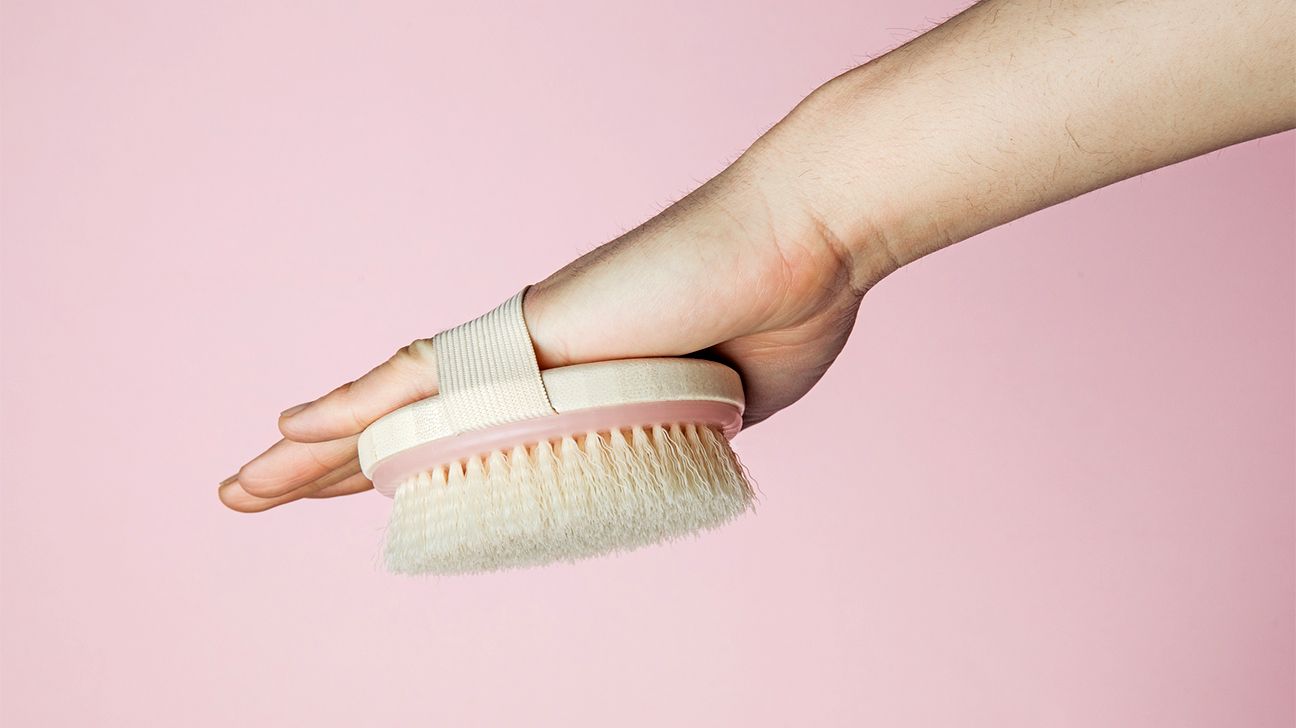
✅ Great for:
- Normal to oily skin
- Dry skin (with proper moisturizing)
- People looking for natural exfoliation
- Those seeking circulation support
❌ Not ideal for:
- Individuals with extremely sensitive or broken skin
- People with active eczema, psoriasis, or rosacea
- Those with varicose veins (check with a doctor)
- Anyone recovering from surgery, severe sunburn, or skin infections
❓ Frequently Asked Questions (FAQs)
Q: How often should I dry brush for best results?
2–3 times a week is ideal for most skin types. If your skin tolerates it well, you can increase to 4–5 times a week. Sensitive skin types may do better with just once a week.
Q: Can I dry brush my face?
Yes—but only with a specially designed facial dry brush with ultra-soft bristles. Never use a body brush on your face; it’s too harsh.
Q: Is dry brushing a good replacement for body scrubs or exfoliating acids?
It’s a great alternative or complement. You don’t have to pick one or the other—but don’t do both on the same day, or you’ll risk over-exfoliating.
Q: Can dry brushing really detox the body?
It can support lymphatic circulation, which plays a role in your body’s natural detox process. But your liver and kidneys do the heavy lifting—dry brushing isn’t a magic detox tool.
Q: Will I see results immediately?
You’ll likely feel smoother skin after the first session, but visible results (like improved tone or reduced dullness) may take a few weeks of regular brushing.
✅ Conclusion: Is Dry Brushing Worth It Long-Term?
Absolutely—if you’re looking for a natural, affordable way to exfoliate, encourage circulation, and create a consistent self-care habit, dry brushing is a simple and satisfying option. It’s a small addition to your weekly routine that can lead to real improvements in how your skin looks and feels.
When done properly and consistently, dry brushing can help:
- Reveal smoother, brighter skin
- Support blood flow and lymphatic health
- Temporarily reduce the look of cellulite
- Boost energy and mental clarity
- Provide a mindful, feel-good ritual that takes just minutes
Just remember: like anything skincare-related, results take time—and every body responds a little differently. Be patient, be gentle, and stick with it.