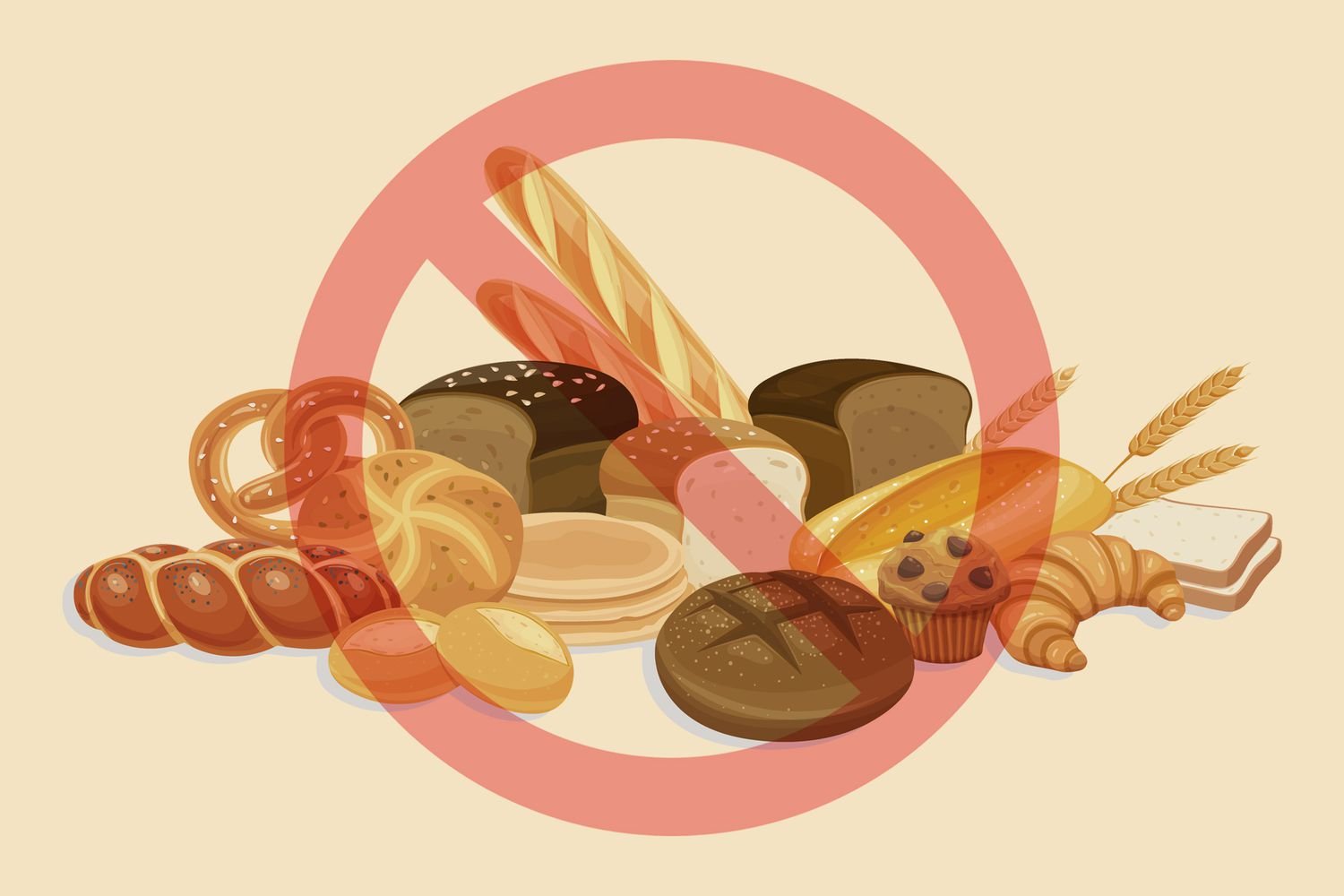

High-protein, low-carb diets can have short-term benefits, but slashing carbs too drastically might leave you short on key nutrients like fiber. A smarter move? Focus on a balanced diet packed with nutrient-rich whole foods.
Benefits
1. Supports Weight Loss or Body Composition Changes
A high-protein, low-carb diet may help with weight loss, mainly because protein keeps you feeling full longer.¹
Losing weight often means losing muscle too, but eating more protein can help preserve it. Research shows that high-protein diets improve body composition and boost energy expenditure, aiding in weight loss and maintenance.²
2. Helps Manage Blood Sugar
Low-carb eating can lower hemoglobin A1C levels and reduce the need for diabetes medications.³⁴ However, people with diabetes should check with their healthcare provider, a dietitian (RDN), or a diabetes educator (CDE) before making changes. Cutting carbs can affect medication needs and may raise the risk of low blood sugar if not monitored.
Uncontrolled blood sugar also increases the chance of complications like kidney disease. Since high protein intake can strain the kidneys, it’s wise to get kidney function checked before starting this diet.
3. May Lower Cholesterol (But Results Are Mixed)
A high-protein, low-carb diet might improve heart disease risk markers like cholesterol—but studies show mixed results:
- Low-carb diets can reduce cholesterol and blood pressure short-term, but after two years, they showed no effect on heart disease risk.⁵
- Some research finds little difference between low- and high-carb diets for weight loss and heart health.⁶
- Low-carb diets may slightly raise LDL (“bad”) cholesterol in overweight adults—though the increase was small.⁷
- Plant-based proteins are linked to lower risk of heart disease and early death.⁸
- Another review found high-protein diets didn’t impact heart disease events.⁹
More research is needed to understand long-term effects.
Drawbacks
1. Hard to Get Enough Fiber
Experts recommend 22–28g of fiber daily for women and 28–34g for men. Since many fiber-rich foods are also high in carbs, hitting these targets on a low-carb diet can be tough.¹⁰
2. May Lack B Vitamins
Carbs are a major source of B vitamins, like folate—which is crucial during pregnancy to prevent birth defects.¹¹
3. Could Increase Saturated Fat Intake
Many protein sources (like red meat and dairy) are high in saturated fat, which may raise cholesterol and heart disease risk if overeaten.¹²
4. Strains the Kidneys
Too much protein can stress the kidneys, especially in people with existing kidney issues.¹³
5. May Lead to Calcium Loss
High protein intake can cause the body to lose calcium, which theoretically might weaken bones. However, research suggests that older adults who eat more protein actually have better bone density and fewer fractures.¹⁴
What Counts as High-Protein, Low-Carb?
There’s no strict definition, but generally:
- Lower-carb diets = Less than 45% of calories from carbs.¹⁵
- Strict low-carb diets (like keto or Atkins) = 5–15% of calories from carbs (or 20–50g per day).¹⁵¹⁶
The USDA recommends at least 130g of carbs daily (or 26% of calories in a 2,000-calorie diet).¹⁷
Very low-carb diets make it hard to get enough fiber and B vitamins, so they’re not usually recommended long-term.
Foods to Eat
Quality matters more than just cutting carbs or fat. For protein, focus on:
- Lean meats: Skinless chicken, turkey, lean beef
- Fish/seafood: Fresh fish, shrimp, crab, canned tuna/salmon
- Plant proteins: Tofu, edamame, nuts, seeds (almonds, chia, pumpkin)
- Low-fat dairy & eggs
For carbs (if they fit your plan):
- Veggies, some fruits, starchy veggies (potatoes, squash), and high-protein grains (beans, lentils, quinoa).
Foods to Avoid or Limit
- Protein: Fatty or processed meats (bacon, sausages).
- Dairy: Opt for low-fat (skim or 1% milk) over full-fat.
- Carbs: Bread, pasta, rice, sweets, sugary drinks, processed snacks.
Key Takeaways
- A moderate high-protein, low-carb diet with whole, quality foods can be beneficial.
- Avoid processed meats and prioritize fiber/nutrient intake.
- Long-term sustainability matters—choose a plan you can maintain.