
What Happens to Your Blood Pressure When You Drink Hibiscus Tea Every Day?
A natural remedy backed by science and steeped in centuries of tradition
If you’re looking for a simple, natural way to support healthy blood pressure, it might be time to give hibiscus tea a try. Vibrant in color, slightly tart in taste, and rich in health-promoting compounds, this ruby-red herbal drink has gained serious attention for its potential heart benefits—especially its impact on blood pressure.
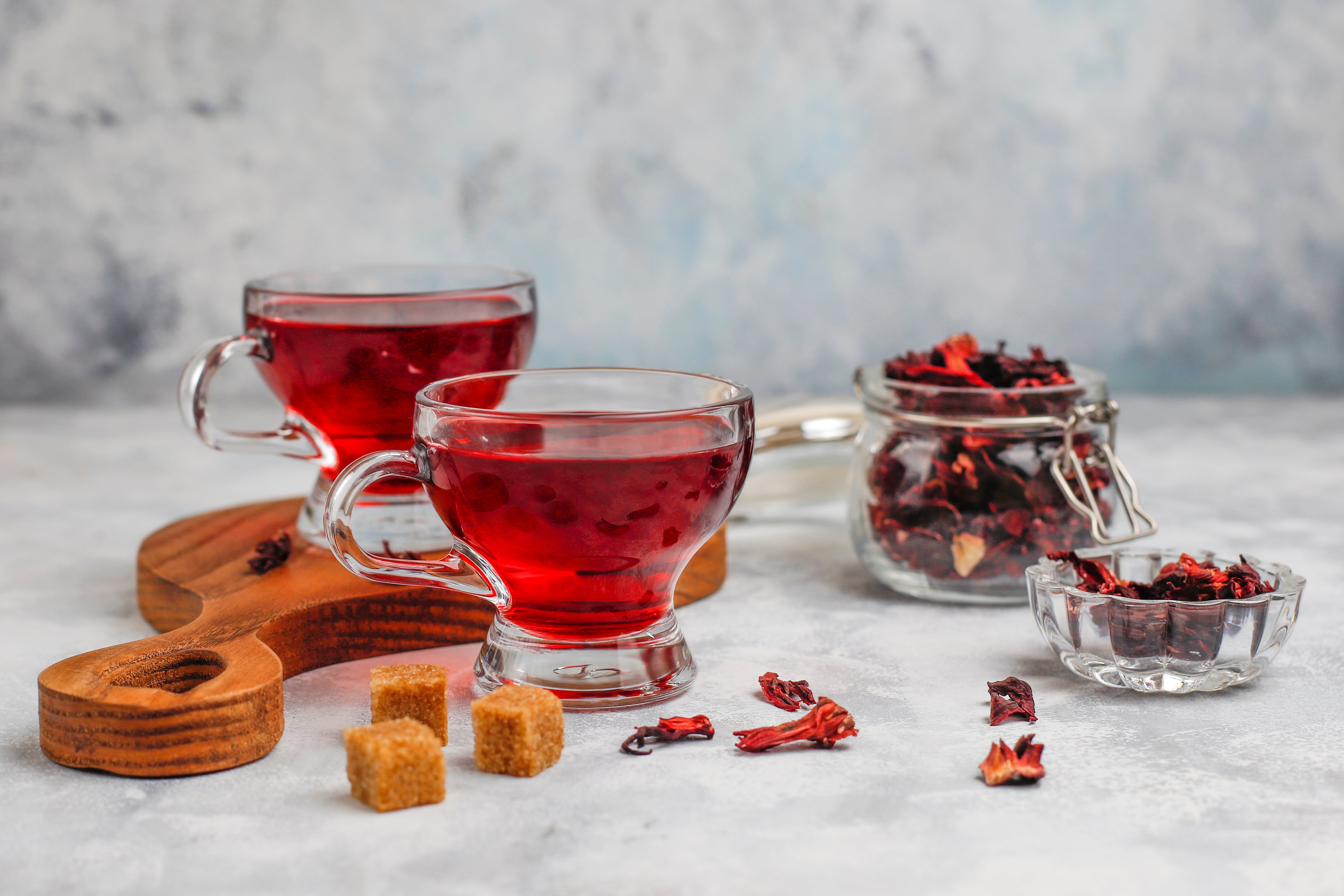
But what really happens when you make hibiscus tea a daily habit? Can it truly help lower your blood pressure, or is that just hype? Here’s everything you need to know about what happens inside your body when you drink hibiscus tea regularly—and why more people are turning to this ancient herbal remedy.
🌺 What Is Hibiscus Tea, Exactly?
Hibiscus tea is made from the dried petals of the Hibiscus sabdariffa plant—a tropical flowering shrub found in parts of Africa, the Caribbean, Central America, and Southeast Asia. The tea has a rich, deep crimson hue and a tangy, cranberry-like flavor.
While it’s often enjoyed simply for its refreshing taste (hot or iced), hibiscus tea has long been used in traditional medicine to support everything from liver function to hydration to inflammation. But one of its most studied benefits in modern times is its effect on blood pressure.
🩺 How Hibiscus Tea Affects Your Blood Pressure
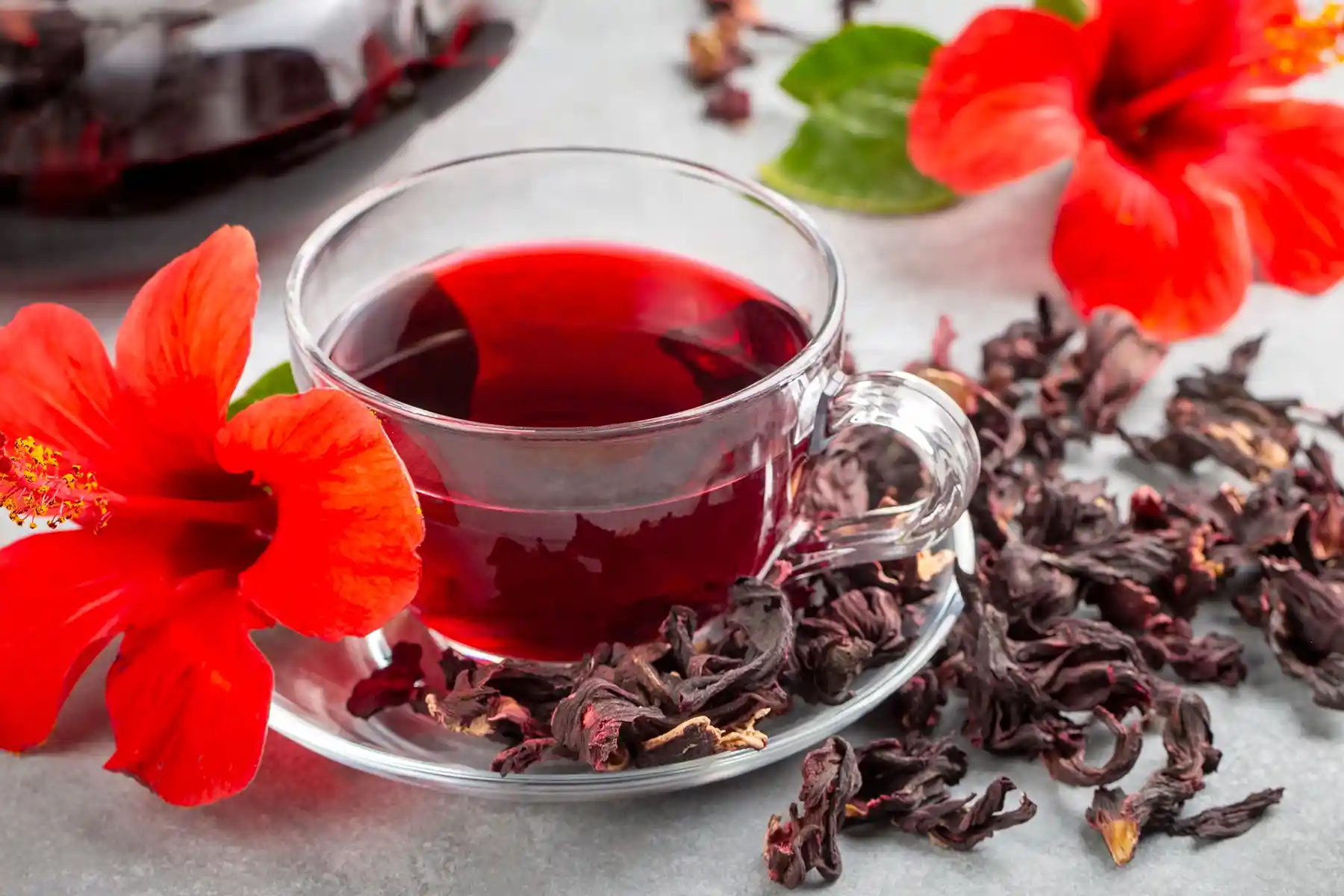
Drinking hibiscus tea daily can lead to measurable reductions in both systolic and diastolic blood pressure, according to numerous clinical studies.
Here’s how it works:
🔬 1. Rich in Natural Plant Compounds That Support Blood Flow
Hibiscus contains powerful antioxidants and phytochemicals—especially anthocyanins and polyphenols—that help protect your blood vessels from oxidative stress. These compounds may:
- Improve endothelial function (the lining of your blood vessels)
- Support better blood flow
- Reduce vascular inflammation
This all contributes to a lower overall resistance in your circulatory system, which can ease the strain on your heart and help lower pressure levels.
🧪 2. It Acts as a Natural Diuretic
Hibiscus tea has gentle diuretic effects, which means it can help your body eliminate excess sodium and fluid through urine. This is similar to how some prescription blood pressure medications (like thiazide diuretics) work.
Lower fluid volume in your bloodstream = less pressure on your arterial walls.
📊 3. Backed by Science: What the Studies Show
Several studies have put hibiscus to the test:
- A 2008 study published in the Journal of Nutrition found that people who drank 3 cups of hibiscus tea daily for 6 weeks saw an average systolic BP drop of 7.2 mm Hg, compared to just 1.3 mm Hg in the placebo group.
- A 2010 meta-analysis of randomized controlled trials concluded that hibiscus tea “significantly lowered systolic and diastolic blood pressure” in people with mild to moderate hypertension.
- In some studies, the effects were even comparable to ACE inhibitors, a common class of blood pressure medications (although not a replacement).
The catch? These effects only lasted as long as participants continued drinking the tea—meaning consistency matters.
☕ How Much Hibiscus Tea Should You Drink?

For general blood pressure support, most studies suggest:
- 2 to 3 cups a day, consistently
- Brewed using 1.25 to 2 grams of dried hibiscus petals per cup
- Steeped in hot (not boiling) water for 5–10 minutes
Always check with your healthcare provider before adding large amounts of herbal tea to your routine—especially if you’re on blood pressure meds, as the effects can add up.
⚠️ Potential Side Effects and Precautions
Hibiscus tea is generally safe for most people, but there are a few things to keep in mind:
- Blood pressure may drop too low if you’re taking antihypertensive medications—so monitor your levels closely.
- It may interact with certain medications, especially diuretics or ACE inhibitors.
- Large amounts of hibiscus can affect liver enzyme activity, though this is rare.
- It may cause allergic reactions in sensitive individuals.
- Pregnant or breastfeeding? Always consult your doctor first—some compounds in hibiscus may not be safe during pregnancy.
And because of its tartness, frequent sipping could weaken tooth enamel over time—so rinse your mouth with water afterward or use a straw if you’re drinking it often.
❤️🩹 Other Health Benefits of Hibiscus Tea
Beyond blood pressure, hibiscus tea brings a few extra perks to the table:
- Supports heart health by lowering LDL (bad) cholesterol and triglycerides in some studies
- May help regulate blood sugar levels
- Contains anti-inflammatory and antimicrobial properties
- Rich in vitamin C and antioxidants, boosting immune support
- Naturally caffeine-free—great for evening sipping
📝 Best Practices for Drinking Hibiscus Tea Daily

To get the most out of hibiscus tea for your blood pressure and overall wellness:
✔️ Do:
- Choose organic, dried hibiscus petals or high-quality tea bags
- Steep for 5–10 minutes (longer for stronger benefits)
- Drink consistently—daily use matters
- Enjoy unsweetened or lightly sweetened versions
- Monitor your blood pressure regularly to track changes
✖️ Don’t:
- Overdo it—stick to 2–3 cups unless approved by your doctor
- Mix with large amounts of sugar, which negates the heart-health benefits
- Rely on hibiscus tea as a replacement for prescribed medication unless directed
💬 Frequently Asked Questions (FAQs)
Q: How long does it take for hibiscus tea to lower blood pressure?
Most studies show noticeable improvements within 2 to 6 weeks of daily use. Consistency is key.
Q: Is hibiscus tea better hot or cold?
Either works! Hot tea may extract more of the beneficial compounds, but cold-brewed versions retain many antioxidants and are more refreshing in warm weather.
Q: Can I drink hibiscus tea while on blood pressure medication?
Possibly—but only under medical supervision. The combined effect could lower your pressure too much.
Q: What’s the best time to drink hibiscus tea for blood pressure?
Morning or midday is ideal. Since hibiscus is caffeine-free, it’s also great in the evening, unless its diuretic effect disrupts your sleep.
Q: Can hibiscus tea help if my blood pressure is normal?
Yes. It may help maintain healthy levels and support heart health overall—even if you’re not hypertensive.
✅ Conclusion: Should You Drink Hibiscus Tea Every Day?
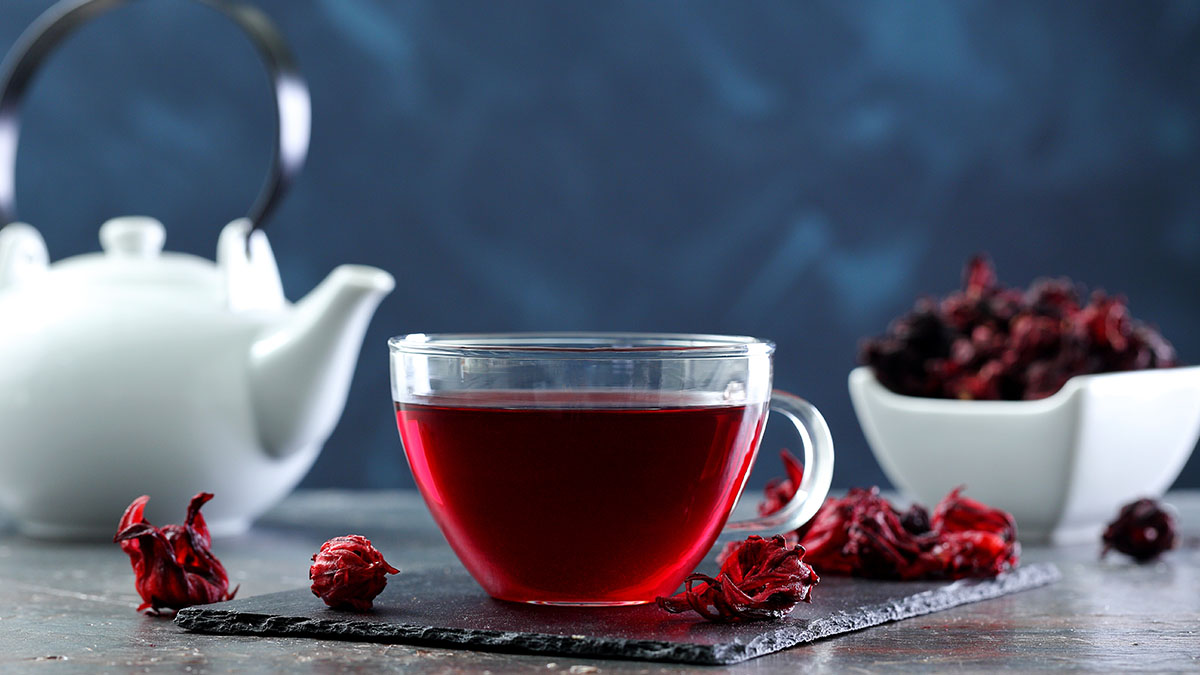
If you’re aiming to naturally manage or improve your blood pressure, daily hibiscus tea may be a gentle and effective addition to your lifestyle. It’s backed by solid research, packed with healthful compounds, and offers extra heart and immune system support—all in a delicious, caffeine-free package.
That said, it’s not a cure-all. Think of it as one piece of the bigger picture that includes:
- A balanced, low-sodium diet
- Regular physical activity
- Stress management
- Routine blood pressure monitoring
- And, if needed, appropriate medical treatment
So, go ahead—brew yourself a vibrant cup (or two) of hibiscus tea, enjoy the natural tang, and feel good knowing you’re doing something kind for your heart.