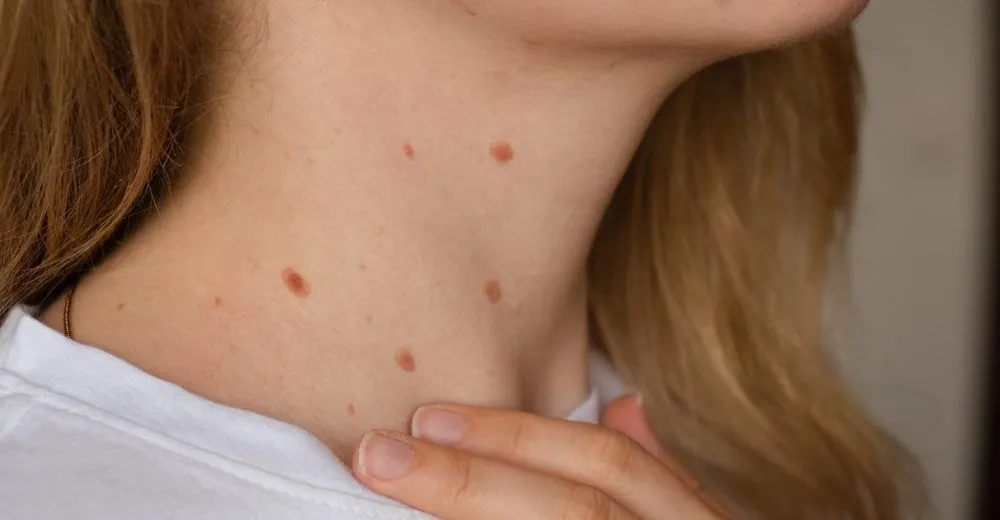
What Are Genital Skin Tags?
Understanding those tiny skin growths that show up in private areas
Noticed a small, soft bump on your genital area and wondering what it is? You’re not alone—and chances are, it might just be a genital skin tag. While it can be a little unsettling to find any kind of growth in such a sensitive spot, skin tags in the genital region are usually harmless.
Still, because of where they show up—and how they look—it’s common to confuse skin tags with other conditions like genital warts or even sexually transmitted infections. That’s why understanding what genital skin tags are, what causes them, and how to deal with them is so important.

Let’s dive into the facts about genital skin tags so you can feel more informed and confident about your body.
🧬 What Exactly Are Genital Skin Tags?
Genital skin tags are small, soft, benign (non-cancerous) growths of skin that can appear around the groin, vulva, penis, scrotum, anus, or inner thighs. They’re essentially the same as skin tags that might form on your neck, underarms, or eyelids—just located in the genital region.
They’re made up of collagen and blood vessels surrounded by a thin layer of skin. These tags are typically:
- Flesh-colored or slightly darker
- Soft and smooth to the touch
- Painless
- Pedunculated (attached to the skin by a small stalk)
While they can be a little awkward or uncomfortable, they’re completely non-contagious and almost always harmless.
🧪 What Causes Genital Skin Tags?
Skin tags, including those in the genital area, often form due to friction—when skin rubs against skin, clothing, or moisture. The groin area is particularly prone to this kind of friction, especially if you:
- Are overweight or have loose skin folds
- Wear tight underwear or clothing
- Shave or wax regularly
- Experience hormonal shifts (like during pregnancy)
- Have insulin resistance or type 2 diabetes
- Are genetically predisposed to developing skin tags
They can develop slowly over time and are more common as you age, although they can appear in younger adults too.
🔍 Do Genital Skin Tags Look Different Than Warts?
Yes, and it’s important to not confuse skin tags with genital warts, which are caused by the human papillomavirus (HPV) and are contagious. While they might look similar at first glance, there are some key differences:
| Feature | Skin Tag | Genital Wart |
|---|---|---|
| Cause | Friction, genetics, hormones | HPV virus |
| Texture | Smooth, soft | Rough or cauliflower-like |
| Pain/Discomfort | Usually painless | May itch or sting |
| Color | Skin-toned or slightly darker | Pink, gray, or flesh-colored |
| Growth Pattern | Individual or in small clusters | Often grouped together |
| Contagious? | No | Yes |
Tip: If you’re unsure whether what you’re seeing is a skin tag or something else, it’s always best to check with a doctor or dermatologist. A professional can usually make a diagnosis with a simple physical exam.
🧼 Are Genital Skin Tags Dangerous?

In most cases, no. Genital skin tags are benign and harmless. They won’t turn into cancer and don’t usually indicate any underlying health issues.
That said, there are a few situations where it’s smart to talk to a healthcare provider:
- If the tag bleeds, grows quickly, or changes color
- If you’re experiencing pain, itching, or irritation
- If the tag becomes twisted (which can cause pain due to reduced blood flow)
- If you’re concerned about how it looks or want it removed for cosmetic reasons
🩺 How Are Genital Skin Tags Diagnosed?
Doctors can usually identify skin tags during a routine physical exam. No lab tests or biopsies are typically needed unless the tag has an unusual appearance or changes over time.
In some cases—especially if there’s any doubt about whether the bump is a skin tag or a wart, mole, or cyst—a dermatologist might perform a biopsy or sample test to rule out other conditions.
✂️ Can Genital Skin Tags Be Removed?
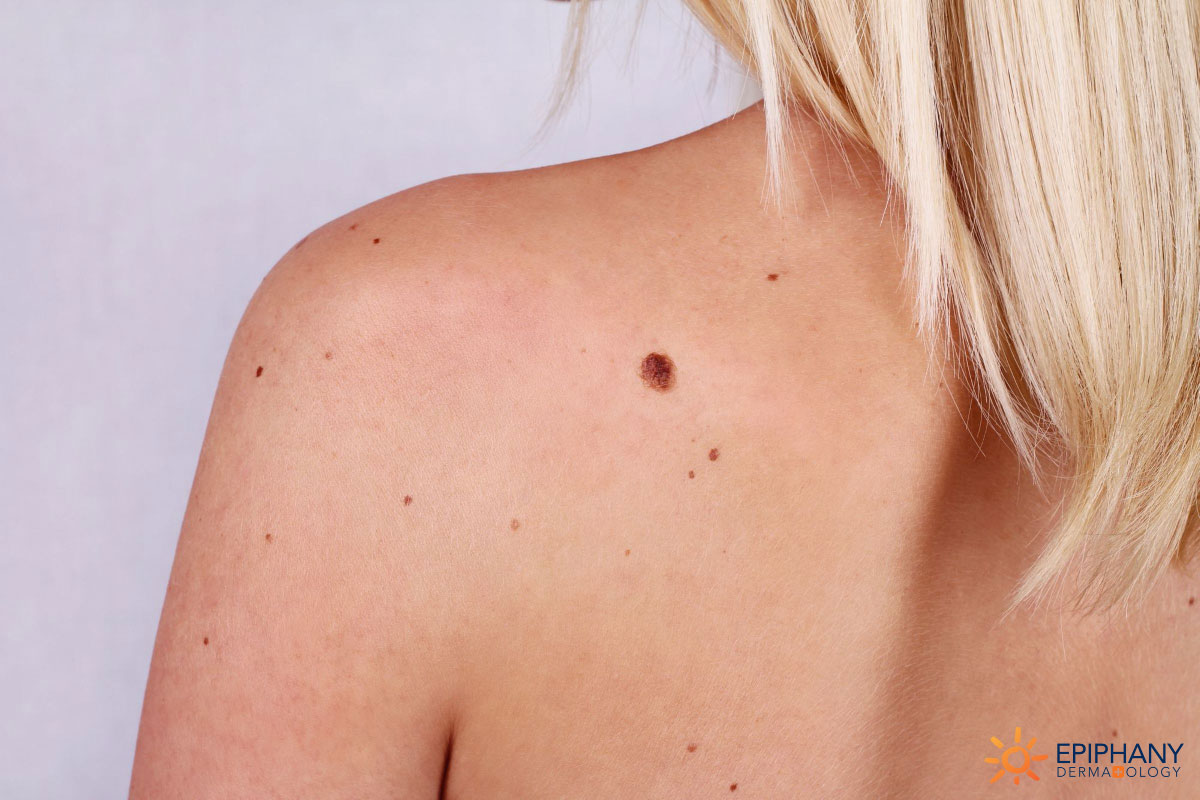
Yes. While there’s no medical need to remove genital skin tags, many people choose to do so for comfort, hygiene, or cosmetic reasons. Removal should always be done by a professional, especially given the sensitivity of the area.
Common in-office removal methods include:
1. Cryotherapy
Freezing the tag with liquid nitrogen until it falls off naturally.
2. Excision
Cutting off the tag with sterilized surgical scissors or a scalpel (often under local anesthesia).
3. Cauterization
Burning the tag off with a small electrical current.
⚠️ Important Note:
Never try to remove a genital skin tag at home using scissors, thread, or over-the-counter remedies. The area is too sensitive, and DIY removal could lead to infection, scarring, or severe pain.
🧴 How to Care for Skin with Tags

Even if you don’t remove your skin tags, you can take care of the area to prevent irritation:
- Keep the area clean and dry
- Use fragrance-free cleansers and gentle fabrics
- Wear breathable underwear
- Avoid shaving directly over skin tags
- Apply powder or barrier creams to reduce friction in hot or humid conditions
If you have multiple tags forming, talk to a dermatologist. While they’re not harmful, a cluster of tags could be linked to other skin conditions or metabolic health concerns.
❓ Frequently Asked Questions (FAQs)
Q: Are genital skin tags contagious?
No. They are not caused by viruses or bacteria and can’t be spread through sexual contact or skin-to-skin touch.
Q: Can I prevent genital skin tags from forming?
You can reduce your risk by minimizing friction in the groin area:
- Wear looser clothing
- Keep skin dry and clean
- Manage your weight
- Use gentle skincare products
Still, some people are genetically more prone to skin tags, so they may appear even with precautions.
Q: Will genital skin tags go away on their own?
Generally, no. Skin tags may remain the same size or grow slightly over time. They won’t fall off unless they’re irritated or twisted—or removed.
Q: Is it safe to have sex if I have a skin tag?
Yes. As long as the skin tag isn’t painful, inflamed, or bleeding, it’s completely safe and not contagious. If it’s bothering you or affecting your confidence, talk to a doctor about removal options.
Q: Could this be something more serious, like cancer?
Genital skin tags are almost always benign. However, if a skin growth is growing quickly, irregularly shaped, changing color, or bleeding, you should have it checked by a healthcare provider to rule out other conditions.
✅ Conclusion: Genital Skin Tags Are Common, Harmless, and Manageable
Finding a small growth on your genital area can be alarming—but if it’s a skin tag, it’s likely nothing to worry about. These tiny, soft bumps are common, non-contagious, and completely benign. While they can be removed for comfort or cosmetic reasons, they don’t pose a medical threat.
Still, if you’re unsure what you’re dealing with—or if something about the growth feels off—it’s smart to have it evaluated by a healthcare provider. A quick checkup can rule out anything serious and give you peace of mind.
And remember: you don’t need to feel embarrassed. Skin tags happen to people of all genders, ages, and body types. Taking care of your skin means being informed, proactive, and kind to yourself—especially when it comes to areas we don’t always talk about.