Understanding Medicare Prescription Coverage: Part B and Part D
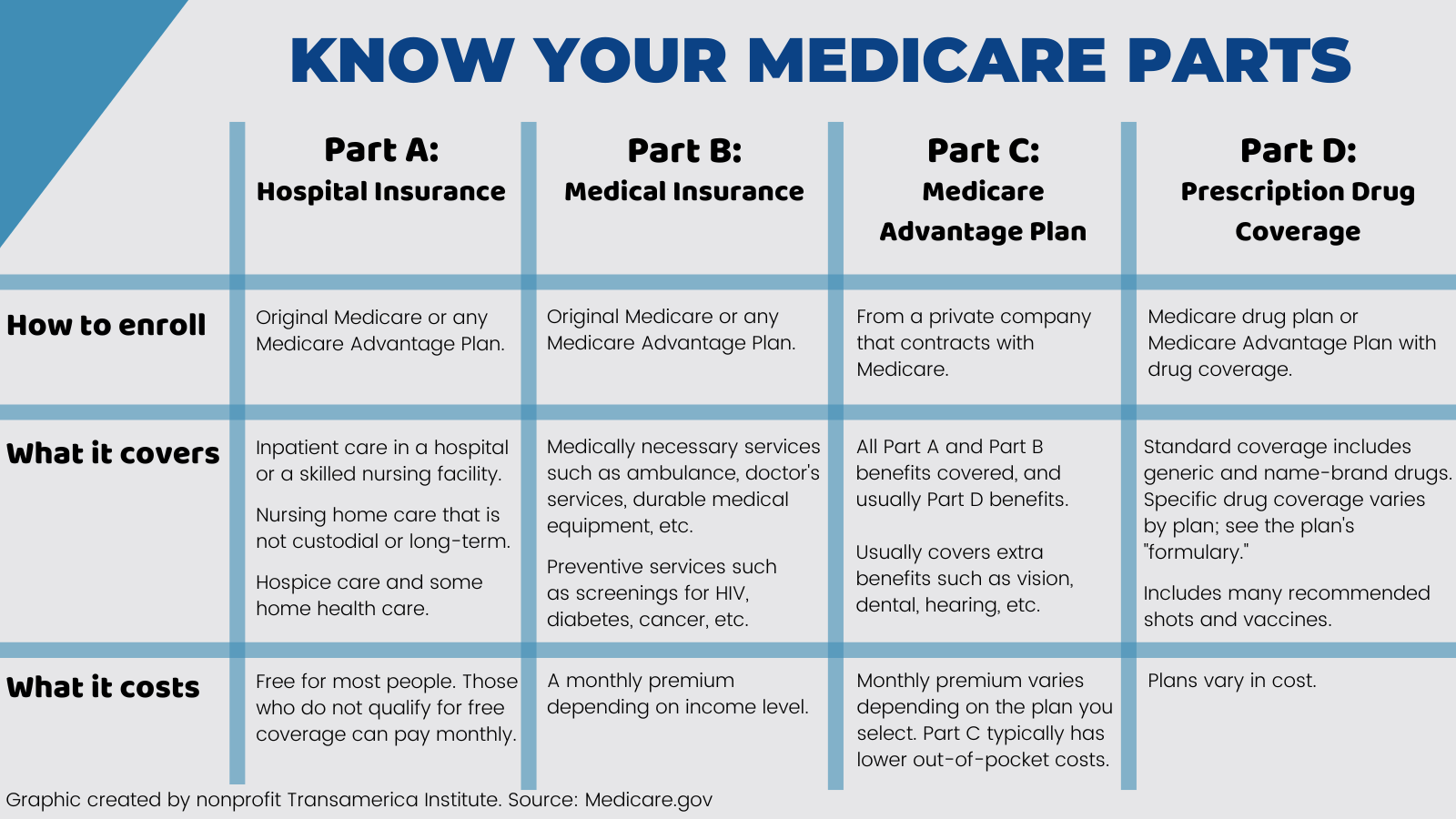
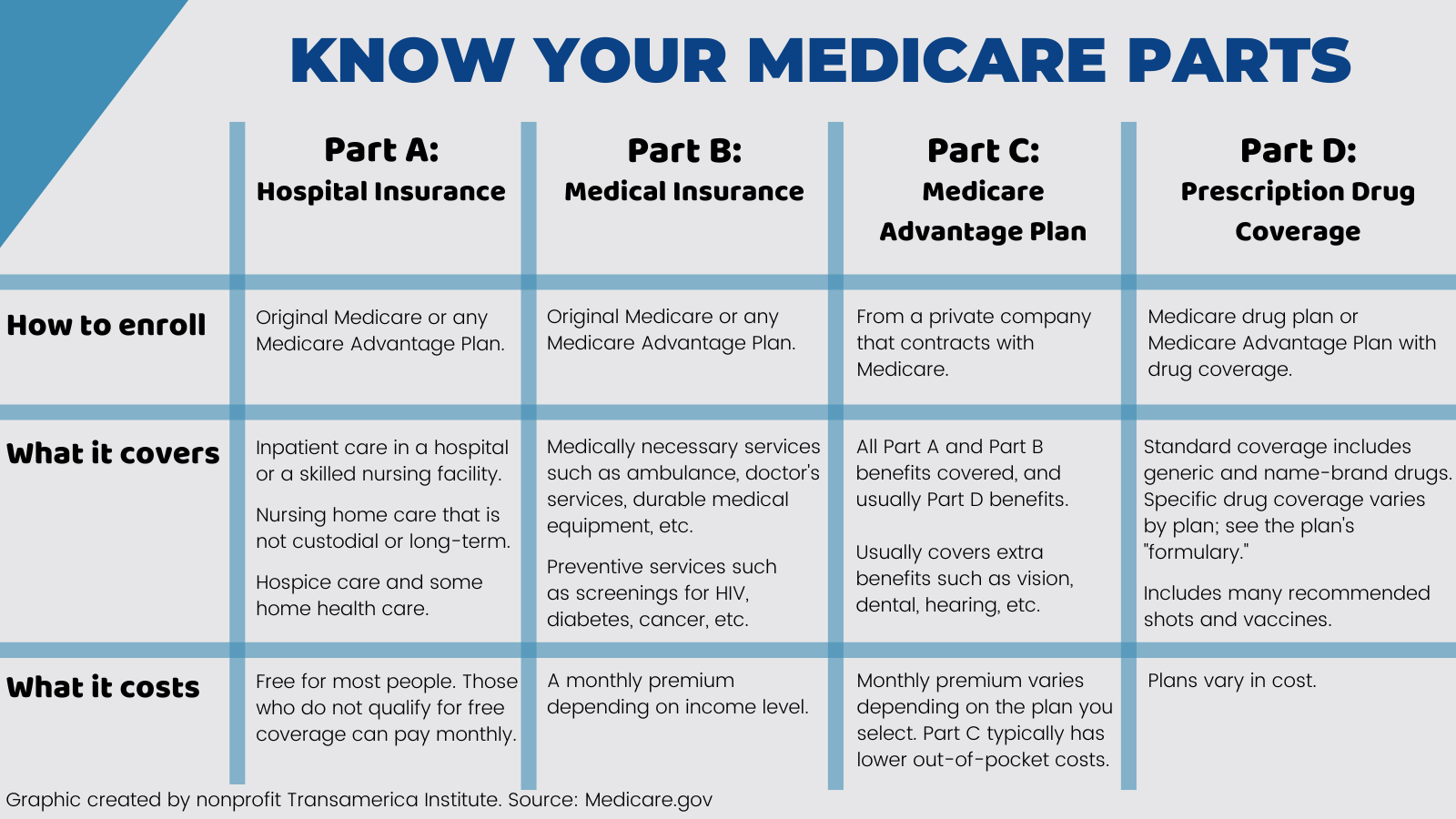
If you’re on Medicare, chances are you’re using a Part D plan for your prescription drug coverage. But did you know that some of your medications might actually be covered by Part B? In fact, Medicare Part B covers a variety of important medications, like certain vaccines and medications for specific medical conditions. Let’s break it all down and see how these parts of Medicare work together to help you get the medication you need.
What Does Medicare Cover?
Medicare offers coverage for prescription medications through both Part B and Part D. However, they each cover different types of drugs, so it’s important to understand the difference.
Part B Prescription Coverage
Whether you’re on Original Medicare (Part A and Part B) or a Medicare Advantage (Part C) plan, you’ll have access to medications covered by Part B. Keep in mind, Part B only covers specific medications, typically for people with certain medical conditions. Here’s a quick look at what Part B covers:

Oral Medications:

- Chemotherapy drugs and related anti-nausea medication for those undergoing chemotherapy.
- Immunosuppressive medications for people who’ve had an organ transplant that Medicare covered.
- Medications for end-stage renal disease (ESRD).
Note: Not all oral chemotherapy and anti-nausea drugs qualify for Part B coverage. This can change yearly, so it’s essential to check the current rules.
Injectable Medications:

- Allergy shots and similar antigen injections that are given by a trained professional.
- Blood-clotting factors for people with hemophilia.
- Erythropoiesis-stimulating agents for those with ESRD or anemia.
- IVIG (Intravenous Immune Globulin) for those with primary immune deficiency disease.
- Osteoporosis drugs for post-menopausal women with fractures.
- Other injectable medications, like biologics for treating conditions like inflammatory bowel disease and rheumatoid arthritis.
Vaccinations:
- COVID-19 vaccine.
- Hepatitis B vaccine for those at higher risk (e.g., people with diabetes, ESRD, or healthcare workers).
- Flu shots.
- Pneumococcal vaccine.
- Rabies and tetanus shots for specific situations.
Vaccines like the flu, pneumonia, and COVID-19 shots are preventive and covered at no cost, as long as your healthcare provider accepts Medicare’s rates. However, for treatments like rabies and tetanus shots, you’ll pay a 20% coinsurance.
Medical Equipment for Medications:

- Infusion pumps and nebulizer machines are covered under Part B if they’re used to administer your medications.
Part D Prescription Coverage
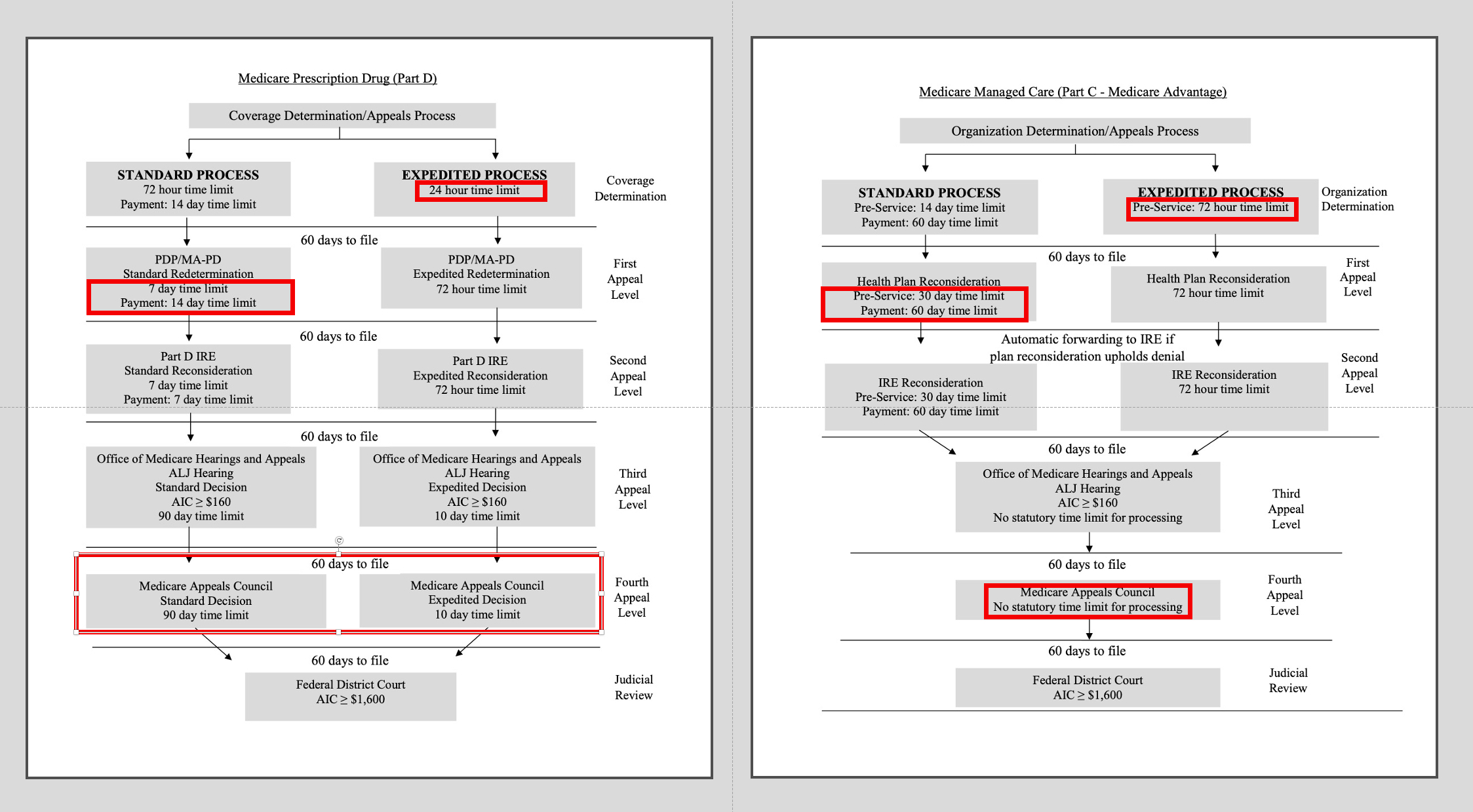
Now, most of your everyday prescription medications fall under Part D. Part D is all about covering medications you typically get from a pharmacy.
- Part D plans must cover at least two medications in each therapeutic drug class.
- For six key drug classes (antidepressants, antipsychotics, chemotherapy agents, HIV/AIDS drugs, immunosuppressants, and seizure medications), virtually all drugs will be covered.
Part D plans have a standard premium of about $31.50 per month in 2023. However, depending on the medications you need, you might find a plan with higher premiums or out-of-pocket costs.
Part D essentially picks up where Part B leaves off. If you need something like an immunosuppressant drug after an organ transplant not covered by Medicare, you’ll get that through Part D. Similarly, if you need a hepatitis B vaccine and you’re at lower risk, that’s also covered by Part D.
How Parts B and D Work Together

The main thing to remember is that Part B and Part D don’t cover the same medications, so you can’t use both parts for the same drug. Here’s how they work:
- Outpatient Medications (Ambulatory Setting): If you’re not admitted to the hospital, you can use either Part B or Part D, depending on the medication.
- Inpatient Care: If you’re admitted to the hospital, Part A will cover all your medications, with a copayment for days after the first 60. If you’re placed under observation or given outpatient care, Part B will cover any intravenous or intramuscular medications. If you’re given medications that aren’t covered under Part B, you’ll need to pay out of pocket, but you can file a claim with your Part D plan for reimbursement if those drugs are on their formulary.
Medicare Advantage Plans and Negotiating Costs
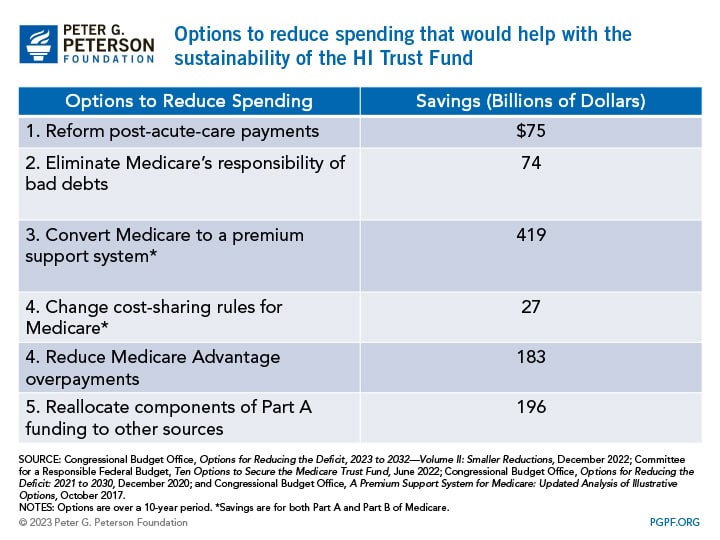
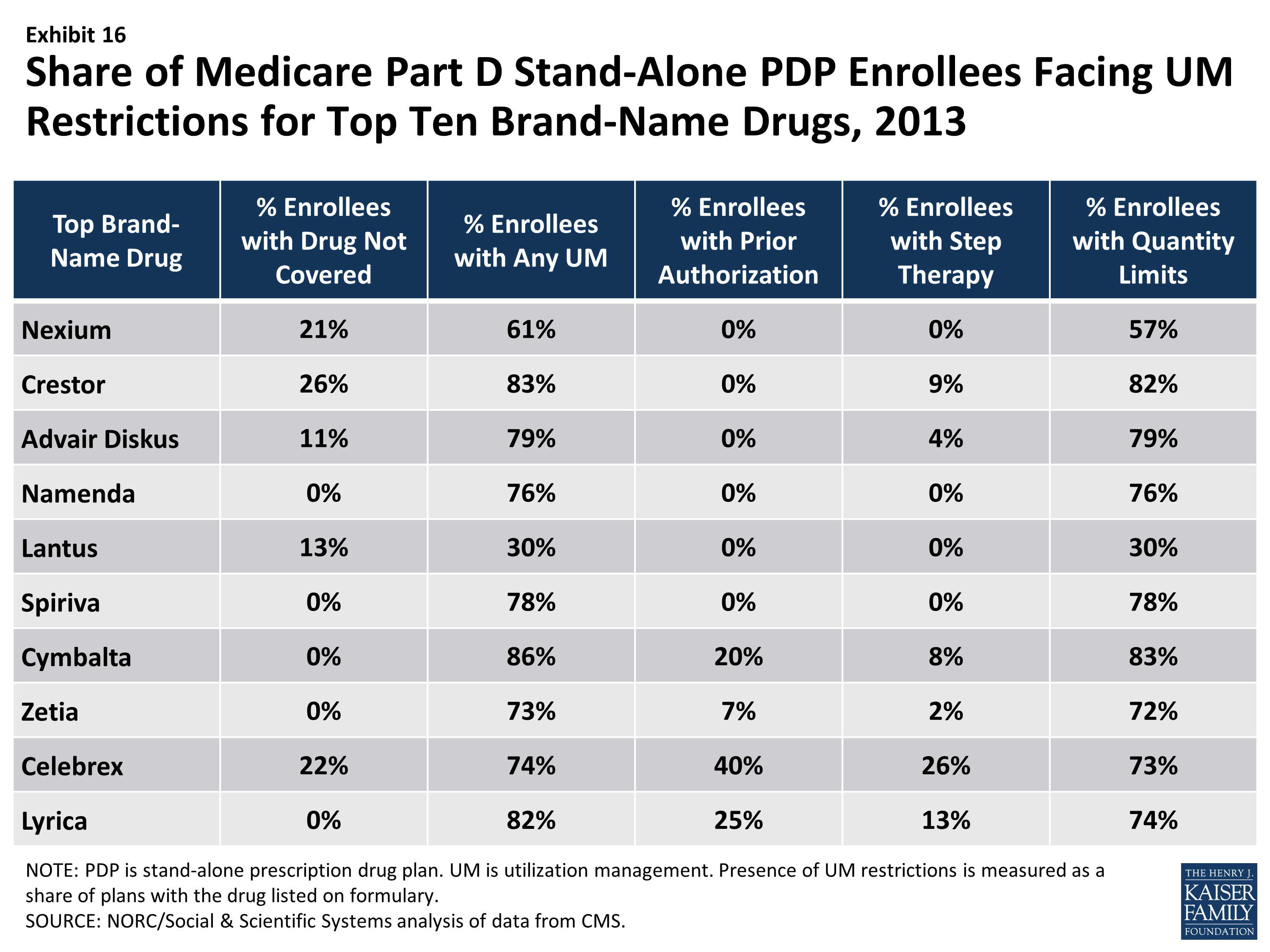
Medicare Advantage plans (Part C) offer another layer of coverage. These plans can negotiate drug prices on your behalf, starting with medications covered under Part B. Since Medicare Advantage plans are private insurance, they can often secure better prices than traditional Medicare. Some of them also use step therapy, which may require you to try a cheaper medication before moving to a more expensive one.
Part D Plans and Negotiating Costs

The Inflation Reduction Act of 2022 allowed Medicare to negotiate directly with drug companies, aiming to lower the cost of medications. The negotiation will start in 2026 for Part D drugs, with the potential to expand to Part B medications by 2028. For now, Part D plans cover the majority of drugs you get at the pharmacy.
Summary: What You Need to Know About Medicare Prescription Coverage

Medicare offers two parts—Part B and Part D—to cover your medications. Part B handles specific medications for certain medical conditions, including vaccines and some injectable drugs, while Part D covers most of your typical prescription drugs. These two parts work together to make sure you get the coverage you need, but it’s crucial to know which part covers what.
Frequently Asked Questions (FAQs)
What is the difference between Part B and Part D coverage?
- Part B covers certain outpatient medications, including some vaccines and chemotherapy drugs, while Part D covers most of your standard prescription medications from the pharmacy.
Are there any vaccines covered by Part B?
Yes! Vaccines like the flu shot, pneumonia shot, and the COVID-19 vaccine are covered by Part B, as long as they meet the requirements. However, rabies and tetanus shots are covered with a 20% coinsurance, as they are considered part of a treatment course.
How do Medicare Advantage Plans help with medication costs?
Medicare Advantage plans can negotiate lower drug prices on your behalf, using strategies like step therapy, where you try cheaper medications first. This can help reduce costs on both Part B and Part D medications.
When do Part B and Part D overlap?
They don’t cover the same medications. If you’re getting a medication outside of the hospital, it will either be covered under Part B or Part D, depending on the medication. In the hospital, Part A generally covers medications, but outpatient meds may fall under Part B or Part D.
What about the new drug price negotiation?
Starting in 2026, Medicare will negotiate prices for Part D drugs, with Part B drugs being included starting in 2028. This could help lower your medication costs over time.
Conclusion
Navigating Medicare prescription coverage can be confusing, but understanding how Part B and Part D work together will help you get the medications you need without paying more than necessary. By staying informed about which medications are covered by each part, and utilizing Medicare Advantage plans or the upcoming drug price negotiations, you can better manage your medication costs and get the care you deserve.