Saline—or, to put it simply, salt water—is a handy mix with all sorts of medical uses. You can use it internally for IV hydration or externally to clean wounds or piercings. It’s also handy for clearing up a stuffy nose when used as a nasal rinse.

But not all saline solutions are the same. Normal saline, sterile saline, and homemade versions might seem chemically similar, but this article will break down when and how to use—or avoid—these different options.
The Many Uses of Saline Solution
Saline is just water mixed with salt (sodium chloride). Sounds simple, right? But how it’s made, what goes into it, and how you use it on (or in) your body all matter.
Below, we’ll go over some of the most common ways saline solutions are used.
Internal Uses
Saline solution is a general term, but the salt concentration determines how it’s used inside the body.
Normal saline has a precise mix: 0.9 grams of sodium chloride per 100 milliliters of liquid. The water used can vary—tap, clean, or sterile—and that makes a difference.
Normal saline is the go-to for IV hydration or diluting IV meds because it’s the closest match to your body’s natural plasma.
Important note: Never inject anything into your veins without a healthcare provider’s direct supervision. And if you’re using saline internally (like inhaling it), it should always be sterile or made with very careful techniques.
Drinking Salt Water
You can mix table salt with water for different uses, but medical-grade saline usually has purer sodium chloride. Sometimes, you might make a homemade saltwater rinse or gargle.
A little salt in your water can be helpful, but too much does the opposite. Seawater, for example, has way too much salt for safe drinking.
If you drink a super salty solution, your kidneys will pull extra water from your body to flush out the excess salt. That can lead to dehydration because you’ll lose more water through pee than you’re taking in.
Topical Uses
Saline is great for cleaning wounds, rinsing piercings, or treating skin issues. For these uses, sterile saline isn’t always necessary—you can even make your own at home, depending on the situation.
Types of Saline Solutions
At its core, saline is just salt and water. But the concentration and source of ingredients matter in how it’s used.
Homemade Saline
Homemade saltwater works for some things, but safety depends on how you make it and what you use it for.
If you use sterile water, pure sodium chloride, and clean prep methods, your saline should be safe for many uses. But boiled tap or filtered water isn’t safe for internal needs.
Never use homemade saline for IVs. And tap water saline can be risky for things like cleaning contact lenses.
Store-Bought Saline
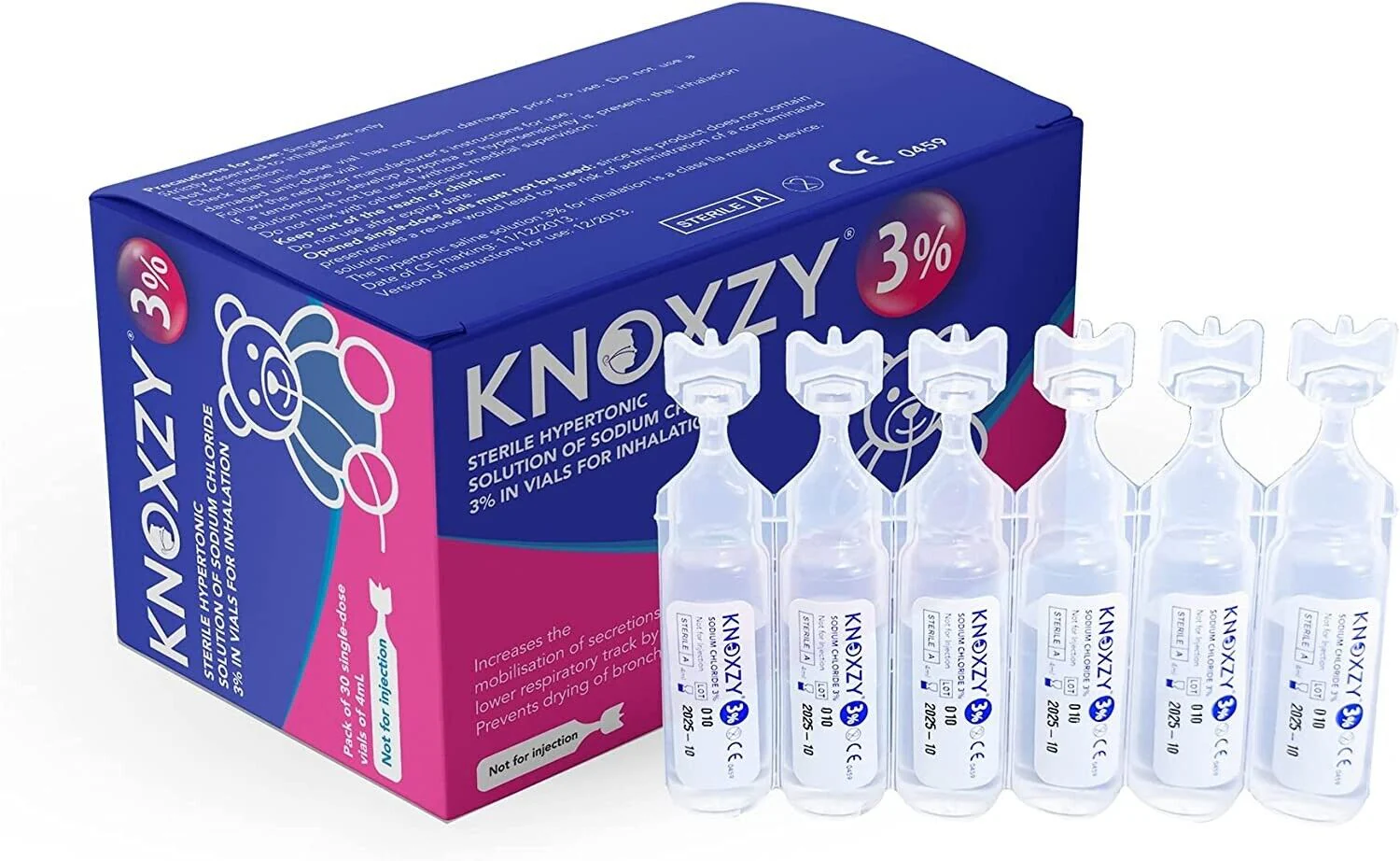
Store-bought saline gives you exact salt-to-water ratios, and “sterile” solutions follow strict production rules.
If you need saline for IVs or wound care, store-bought is the way to go.
How to Use Saline Solution
Normal saline is a healthcare staple—it works inside or outside the body.
At home, how you use it depends on the type, salt concentration, and what you’re treating.
IV Use
Normal saline (0.9% NaCl), half-normal saline (0.45% NaCl), or saline mixed with dextrose is often used for hydration, fluid replacement, or treating shock and infections.
While some people get IV fluids at home, never inject anything without medical supervision.
Internal Use (Non-IV)
Sports drinks have a bit of salt to help with hydration, but straight saltwater isn’t recommended for drinking. Still, there are times you might use it, like:
- Gargling for a sore throat or after dental work.
- Nasal rinses for congestion or sinus infections.
In these cases, you’re not swallowing the saline—you spit it out after gargling or let it drain from your nose.
Humidification & Breathing Treatments
If you use oxygen, a CPAP machine, or a nebulizer, saline can keep your nasal passages moist and help loosen congestion.
For respiratory treatments, always use store-bought saline unless your doctor says otherwise.
Congestion Relief
Saline nasal rinses are great for colds or sinus issues. Homemade works here, but measure carefully and use clean water.
Wound Care
While there are fancy wound cleaners, normal saline is still a top choice. It’s gentle and matches your body’s fluids, which helps healing.
Use saline for cleaning cuts, piercings, or deeper wounds (though serious wounds need medical attention—sterile saline is best here).
Making Saline at Home
If you DIY saline, use the cleanest water possible—distilled or boiled (then cooled) tap water. Also, make sure your container is clean.
Two simple recipes:
- Mix 3 tsp salt + 1 tsp baking soda, then use 1 tsp of that mix in 1 cup (8 oz) of water.
- Mix 2 tsp table salt in about 4 cups (34 oz) of warm water.
Important: Use iodine-free salt with no anti-caking additives.
What NOT to Do with Homemade Saline
- Never use it for IVs or injections.
- Don’t use it for contact lenses.
- For sinus rinses, always use distilled, sterile, or boiled tap water—plain tap water can carry dangerous microbes.
- Stick to the recipe. Too much salt can cause harm.
Bottom Line
Saline is super versatile, but store-bought (sterile) is safest for internal or medical uses. Always check with a doctor before injecting or drinking saline—the salt-to-water ratio makes a big difference in safety.