CT Scans vs. PET Scans: What’s the Difference and How They Work
When it comes to medical imaging, both CT scans and PET scans are essential tools that help doctors diagnose and monitor various conditions. But while they both serve important roles, they do so in very different ways. Here’s a breakdown of how each works, what they can reveal, and how they’re used in healthcare.
What is a CT Scan?

A CT (Computed Tomography) scan is a medical imaging technique that takes multiple X-ray images from different angles and combines them to create detailed cross-sectional views (or “slices”) of the body. These images can be put together to form a 3D image of organs, bones, and tissues.
CT scans are commonly used for:
- Detecting internal injuries or bleeding
- Diagnosing issues with bones and muscles (like fractures or tumors)
- Checking for vascular problems (such as blood clots or blockages)
- Finding abscesses, tumors, or hemorrhages
- Monitoring diseases like cancer, stroke, heart disease, and liver problems
- Guiding medical procedures like surgeries, biopsies, or radiation therapy
During a CT scan, your body is exposed to a low dose of ionizing radiation, much like with regular X-rays. To get better contrast between organs, blood vessels, and tissues, some CT scans involve using contrast dyes, which can be given either orally or intravenously.
What is a PET Scan?
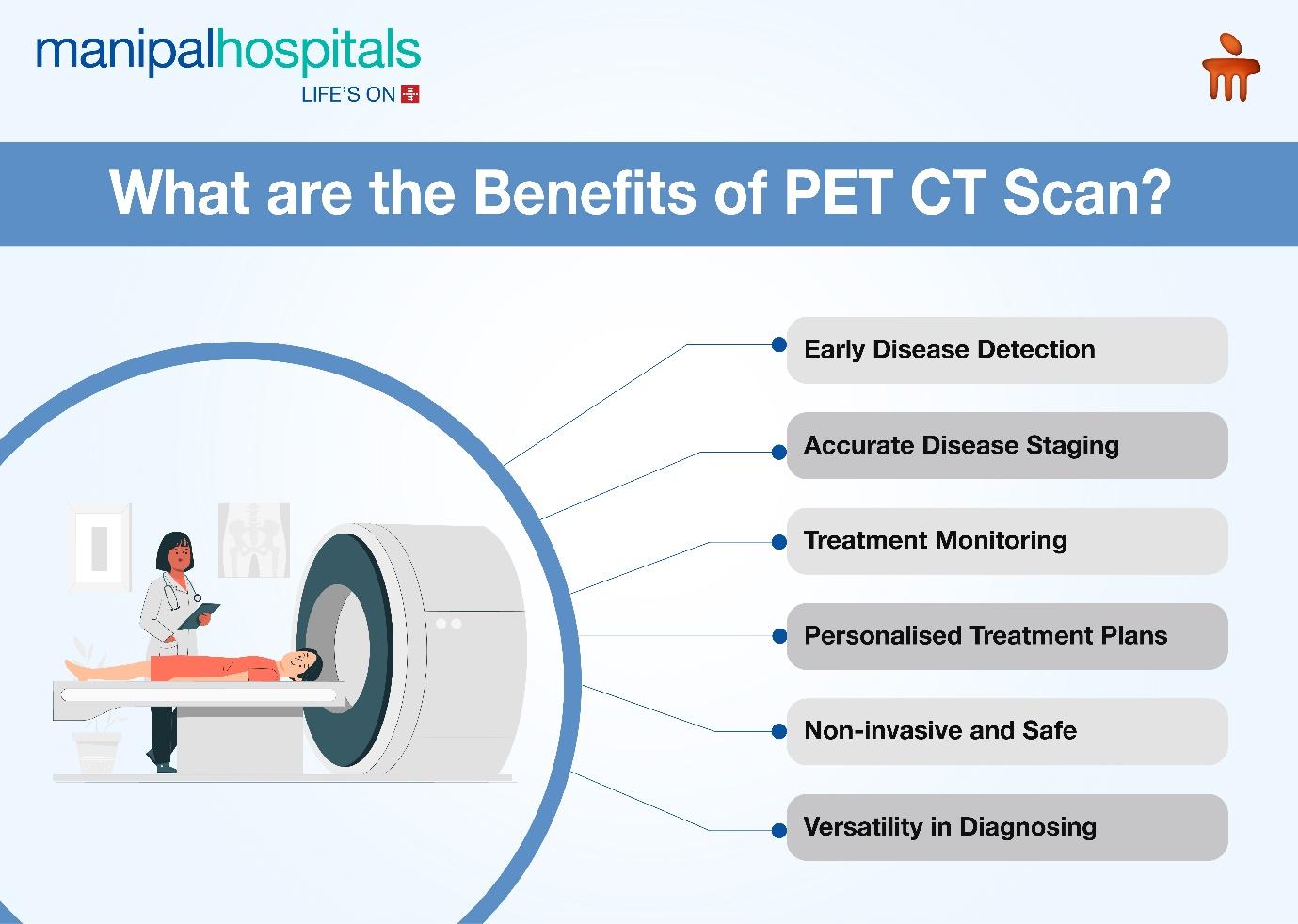
A PET (Positron Emission Tomography) scan, on the other hand, is designed to measure how your body is functioning at a cellular level. It uses small amounts of radioactive substances, called radiotracers, which are injected into the body. These tracers help doctors see how your body’s cells are metabolizing and where energy is being consumed.
PET scans are often used for:
- Diagnosing and monitoring cancer, including the spread (metastasis) to other body parts
- Evaluating brain disorders like epilepsy, tumors, and Alzheimer’s disease
- Checking for cardiovascular problems like coronary artery disease or heart failure
Since cancer cells grow rapidly and require more energy than normal cells, they absorb more of the radiotracers. This shows up as bright spots on a PET scan, helping doctors identify cancer earlier than with other methods. PET scans can also pick up on metabolic changes in tissues long before structural changes (like a tumor) are visible.
CT Scans vs. PET Scans: Key Differences
Here’s a quick comparison of CT scans and PET scans:
| Feature | CT Scan | PET Scan |
|---|---|---|
| Primary Use | Detects structural abnormalities (bones, organs, tissues) | Detects metabolic or functional changes in cells |
| Radiation Source | X-rays | Radioactive tracers |
| Time for Scan | 10 to 30 minutes | 20 minutes to several hours |
| Cost | Less expensive | More costly |
| Used For | Diagnosing injuries, diseases, and tumors | Detecting cancer, brain disorders, and heart disease |
| Radiation | Short-term exposure | Short-term exposure, with some residual radiation |
| Sensitivity | Less sensitive to early-stage cancers | Can detect cancer sooner based on metabolism |
What’s a PET-CT Scan?
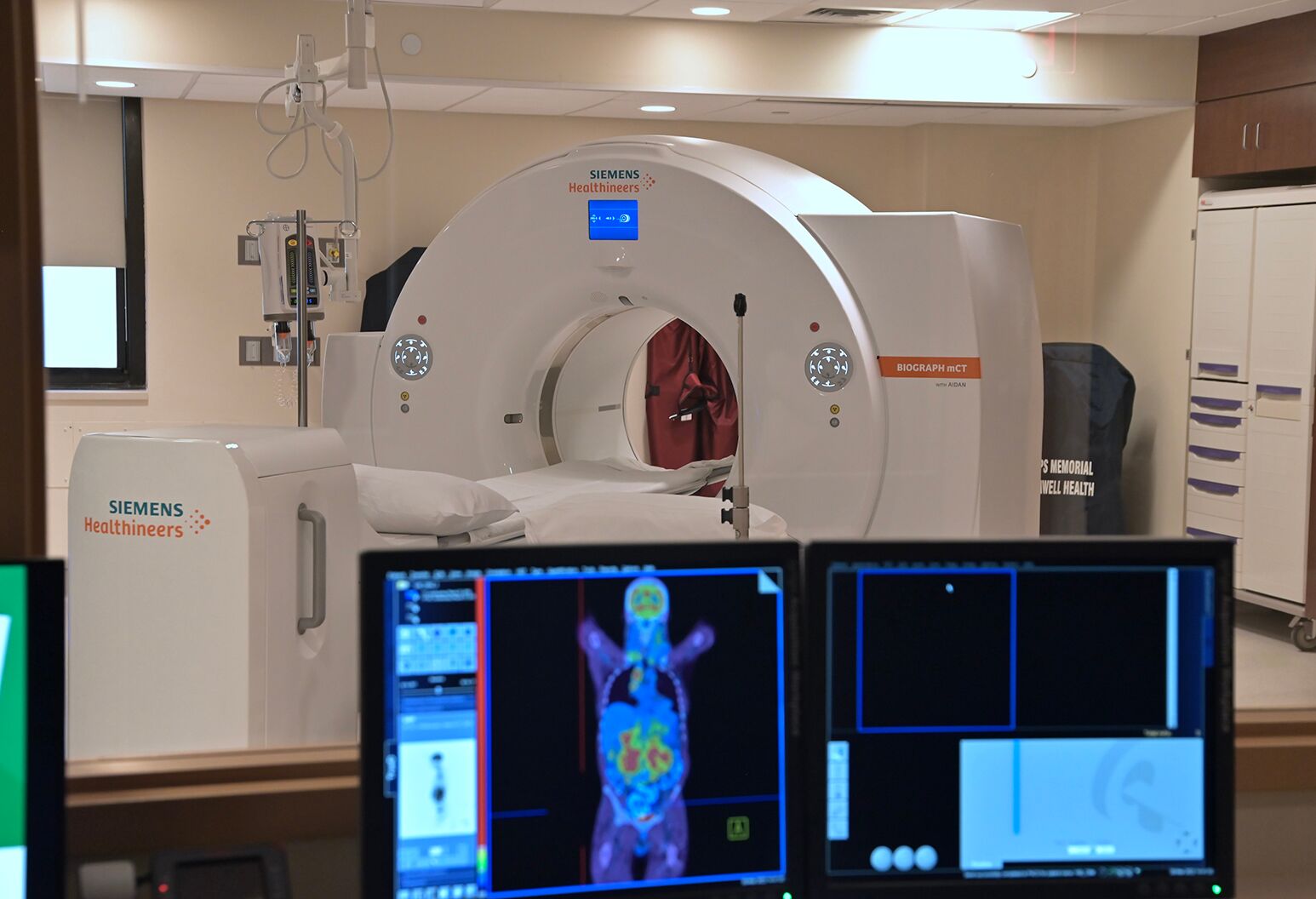
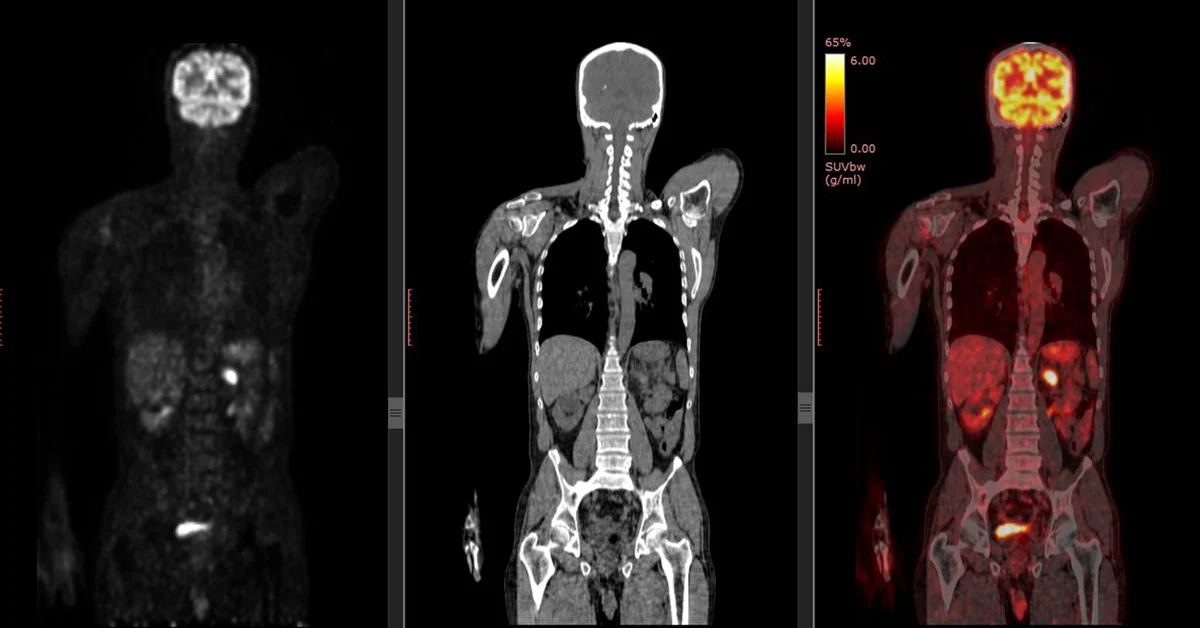
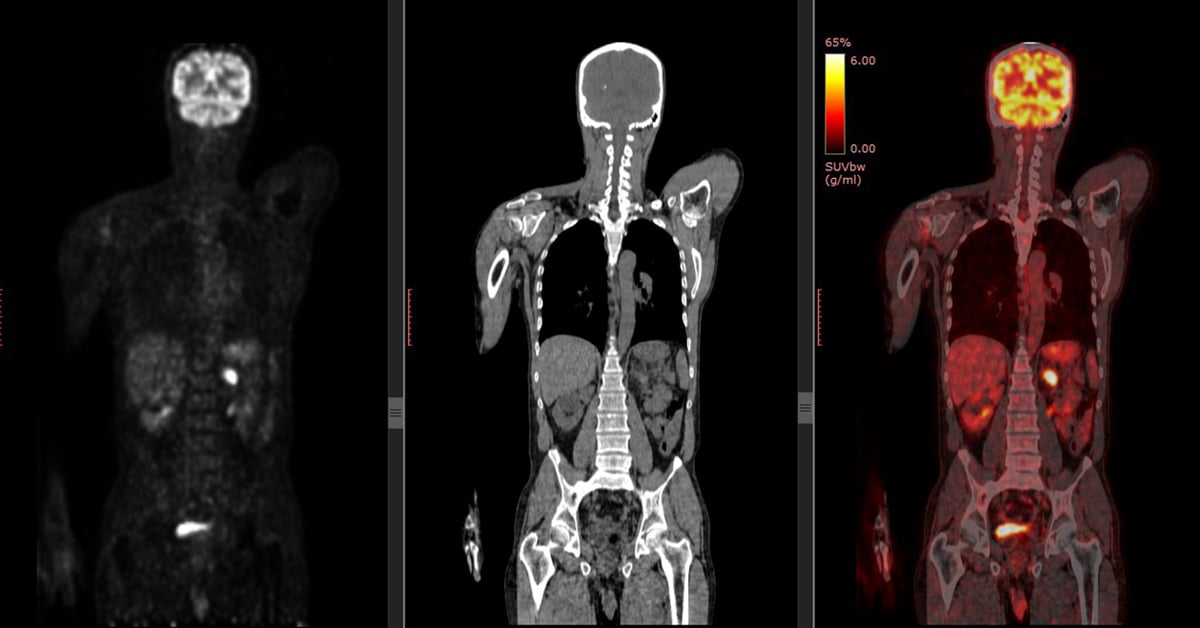
In some cases, doctors combine the strengths of both techniques into a PET-CT scan. This hybrid scan can offer a more accurate diagnosis, especially when it comes to cancer. By combining the detailed anatomical images from the CT scan with the functional data from the PET scan, doctors can pinpoint tumors, detect metastasis (spread of cancer), and evaluate how well a treatment is working.
PET-CT scans are particularly useful for:
- Diagnosing and staging cancer
- Identifying metastasis, especially early spread
- Monitoring the effectiveness of cancer treatments
- Confirming remission or detecting cancer recurrence
However, the major downside is the cost of PET-CT scans, which can exceed $1,000, while a standard CT scan is much more affordable.
Conclusion: Which Scan Should You Get?
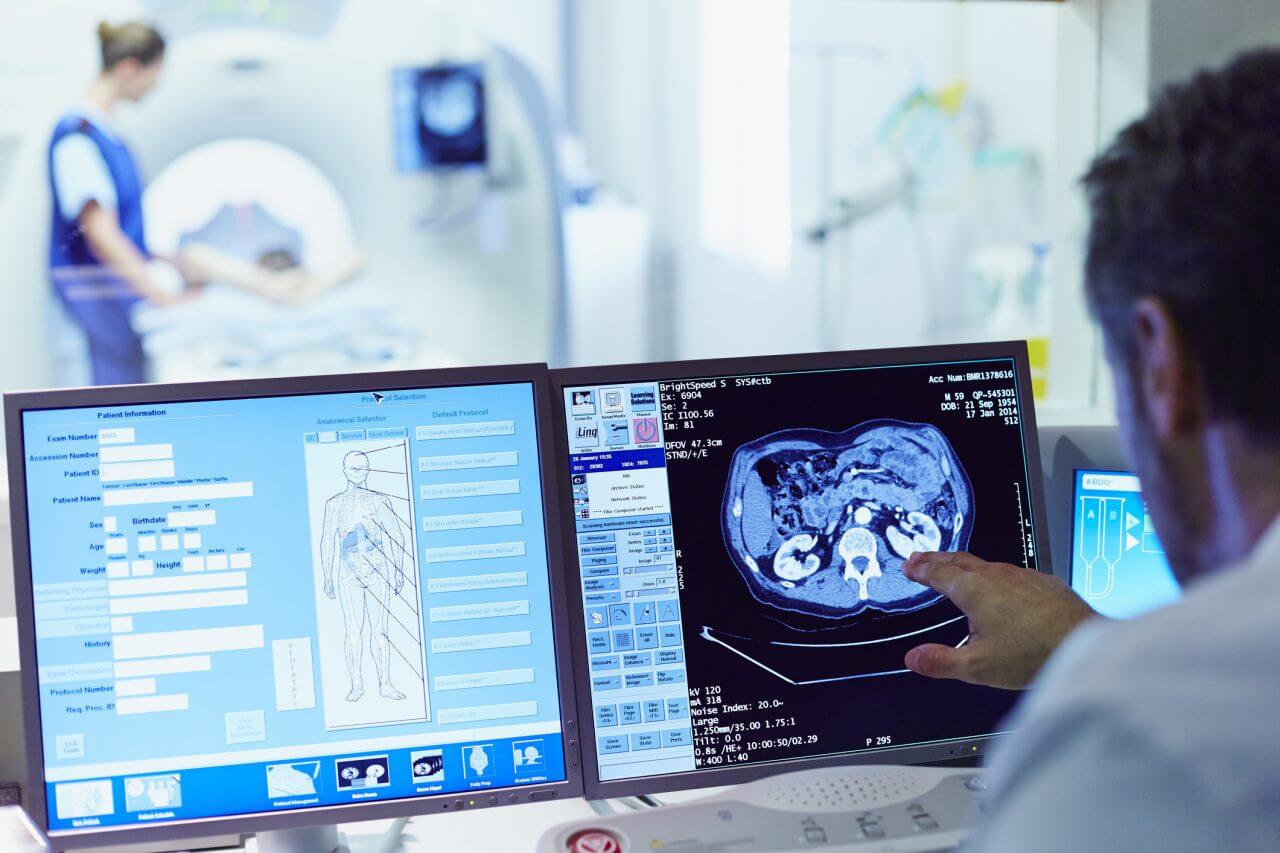
Both CT and PET scans are incredibly valuable tools in medical diagnostics, but they serve different purposes. CT scans are great for detecting structural problems like injuries, tumors, and blockages, while PET scans excel at identifying functional issues like changes in metabolism, which is especially useful for spotting cancer early.
If your doctor recommends one over the other, it’s based on the kind of information they need to get. For example, if your doctor wants to understand how a tumor is growing or whether cancer has spread, a PET scan might be the best choice. If they need to look at the structure of your organs, bones, or tissues, a CT scan is more appropriate.
In many cases, doctors may use both scans together with a PET-CT scan to get the most comprehensive picture of what’s happening in your body.
FAQs:
Q: How long does a CT scan or PET scan take?
A: A CT scan typically takes 10 to 30 minutes, while a PET scan can take anywhere from 20 minutes to several hours, depending on the radiotracer and the purpose of the scan.
Q: What kind of radiation is used in these scans?
A: CT scans use X-rays, which involve low doses of ionizing radiation. PET scans use radioactive tracers that emit energy, but the radiation exposure is small and short-lived.
Q: Which scan is better for detecting cancer?
A: PET scans can detect cancer earlier because they focus on how cancer cells metabolize energy. CT scans are useful for identifying the size and location of tumors but may not be as effective in detecting small, early-stage cancers.
Q: Are there any risks associated with PET or CT scans?
A: Both types of scans involve radiation, but the exposure is generally low. For PET scans, the radioactive tracer is cleared from the body within a few hours. For CT scans, any risks are minimized with proper safety protocols.
Q: Can both scans be done on the same day?
A: Yes! PET-CT scans combine both techniques into one session, making it easier for doctors to get comprehensive information in a single visit.
Q: How much do PET and CT scans cost?
A: CT scans tend to be less expensive, typically costing less than half the price of a PET scan. However, the price can vary depending on the facility and whether contrast dye is needed.
Conclusion: Choosing Between CT and PET Scans
CT scans and PET scans are both invaluable tools in modern medicine, but they serve different purposes. CT scans are excellent for providing detailed images of the body’s structure, helping detect issues with bones, organs, and tissues. They’re fast, affordable, and particularly useful for diagnosing physical abnormalities and injuries.
On the other hand, PET scans are designed to detect changes at the cellular level, making them crucial for early cancer detection, monitoring brain disorders, and evaluating cardiovascular health. PET scans can spot metabolic changes that CT scans might miss, offering a deeper understanding of how diseases, especially cancer, are progressing in the body.
In many cases, doctors may recommend a PET-CT scan, which combines the strengths of both techniques to provide a comprehensive view of both the structure and function of organs and tissues. While this combined scan can be more costly, it offers a more precise diagnosis, particularly in cancer treatment and monitoring.
Ultimately, the choice between a CT scan and a PET scan depends on what your doctor needs to see: structural issues or metabolic changes. Your healthcare provider will guide you in selecting the right scan based on your condition, helping you get the most accurate diagnosis and appropriate treatment.