
1. Introduction
Prostate cancer is among the most common cancers in men. Monitoring its progression and recurrence is crucial for effective management. One of the primary tools for this is the Prostate-Specific Antigen (PSA) test. This article delves into how PSA is utilized in monitoring prostate cancer, its significance, and the associated limitations.
2. What Is PSA
PSA is a protein produced by both normal and malignant cells of the prostate gland. While it’s primarily found in semen, small amounts can also be detected in the blood. Elevated PSA levels can indicate prostate cancer, but other conditions like benign prostatic hyperplasia (BPH) or prostatitis can also cause increased PSA levels.
3. PSA in Prostate Cancer Monitoring
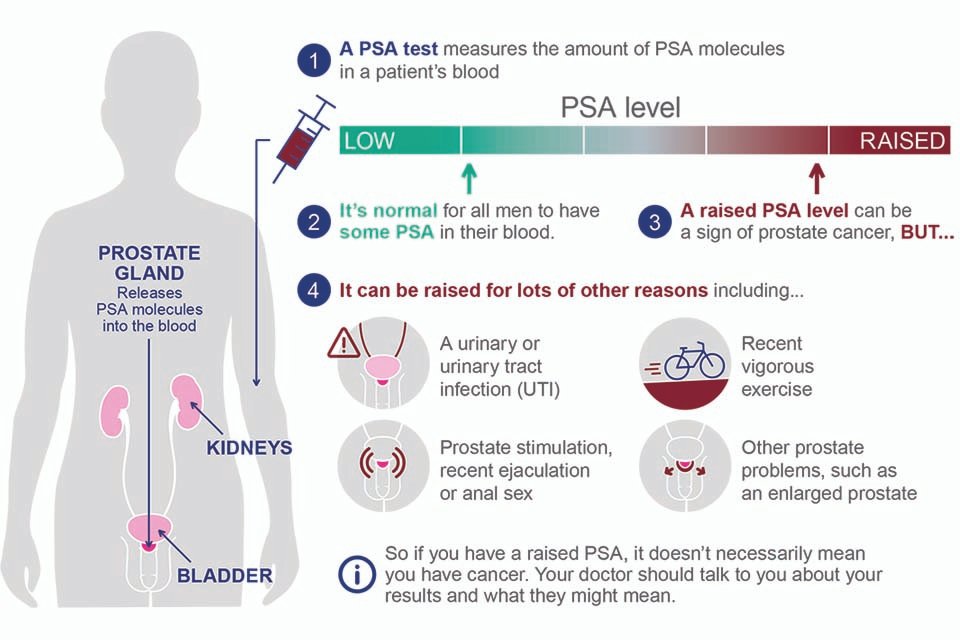
PSA testing serves multiple purposes in prostate cancer management:
- Detection of Recurrence: An increase in PSA levels after treatment may indicate that prostate cancer has returned.
- Assessment of Treatment Effectiveness: A decline in PSA levels can suggest that the treatment is effective.
- Guiding Further Testing: Elevated PSA levels may prompt additional diagnostic procedures, such as biopsies or imaging tests.
4. PSA Testing After Treatment
After treatments like surgery or radiation, PSA levels are closely monitored:
- Post-Surgery (Radical Prostatectomy): PSA levels should drop to undetectable levels within a few weeks. A rise in PSA after surgery may indicate a biochemical recurrence.
- Post-Radiation Therapy: PSA levels may decline slowly and can fluctuate. A rise in PSA levels after radiation therapy may indicate recurrence, but this requires careful interpretation.
5. Understanding PSA Levels
PSA levels are measured in nanograms per milliliter (ng/mL). While there’s no universally accepted “normal” level, higher PSA levels can be associated with an increased risk of prostate cancer. However, elevated PSA levels can also result from other conditions, such as BPH or prostatitis.
6. Factors Affecting PSA Levels

Several factors can influence PSA levels:
- Age: PSA levels can increase with age.
- Prostate Size: Larger prostates may produce more PSA.
- Medications: Certain drugs can affect PSA levels.
- Recent Activities: Activities like ejaculation or vigorous exercise can temporarily raise PSA levels.
7. PSA Velocity and Doubling Time
PSA velocity refers to the rate at which PSA levels increase over time, while doubling time is the period it takes for PSA levels to double. Rapid increases in PSA velocity or a short doubling time can be indicative of aggressive cancer and may necessitate more immediate intervention.
8. Biochemical Recurrence
Biochemical recurrence is defined as a rise in PSA levels after treatment, suggesting that prostate cancer may have returned. This can occur even in the absence of symptoms and is often the first sign of recurrence.
9. Limitations of PSA Testing
While PSA testing is a valuable tool, it has limitations:
- False Positives: Elevated PSA levels can occur without the presence of cancer.
- False Negatives: Some aggressive cancers may not produce elevated PSA levels.
- Overdiagnosis: Not all detected cancers will cause symptoms or affect life expectancy.
10. Alternative Monitoring Methods
To address the limitations of PSA testing, alternative monitoring methods are being explored:
- Multiparametric MRI: Provides detailed images of the prostate, helping to identify areas of concern.
- PSMA PET Scans: A highly sensitive imaging technique that can detect small amounts of cancer.
11. Guidelines for PSA Testing
Guidelines for PSA testing vary by organization and individual risk factors. It’s essential to discuss with a healthcare provider to determine the appropriate screening and monitoring plan.
Table of Contents
Conclusion
Introduction
What Is PSA?
PSA in Prostate Cancer Monitoring
PSA Testing After Treatment
Understanding PSA Levels
Factors Affecting PSA Levels
PSA Velocity and Doubling Time
Biochemical Recurrence
Limitations of PSA Testing
Alternative Monitoring Methods
Guidelines for PSA Testing
12. Conclusion:
PSA testing plays a crucial role in monitoring prostate cancer, aiding in the detection of recurrence and assessing treatment effectiveness. However, it’s important to understand its limitations and consider it as part of a comprehensive monitoring strategy. Consulting with a healthcare provider ensures that the most appropriate and effective monitoring plan is in place.