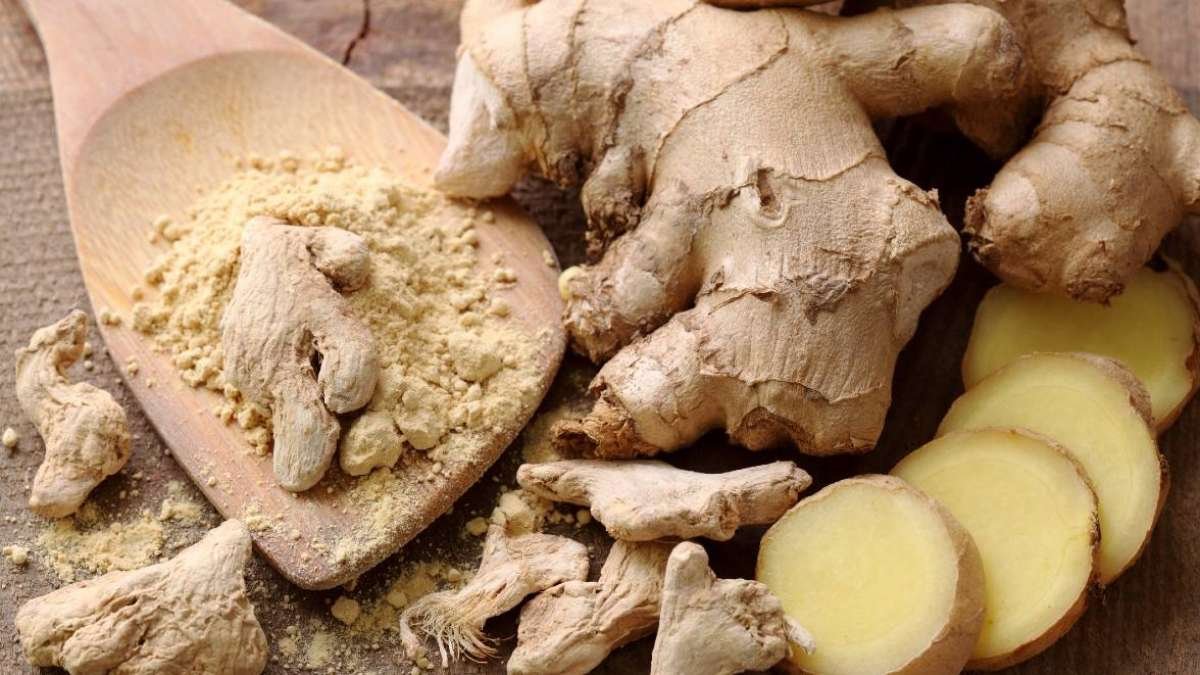
🌿 What Happens to Your Body When You Add Ginger to Your Diet
Hint: It’s more than just a spice—it’s a powerhouse for your health.
You’ve probably had ginger in your tea, stir-fry, or baked into cookies. But did you know that this spicy, fragrant root can do much more than add flavor to your meals? Adding ginger to your daily routine may have a surprisingly wide range of health benefits—from soothing digestion to easing inflammation and boosting your immune system.
:max_bytes(150000):strip_icc()/Health-GettyImages-1301094681-294e5827c28e41bdb1f9ac03a7cac5a3-075de6c6df924bacab593e4ed3bdeaa5.jpg)
Whether fresh, dried, ground, pickled, or steeped in tea, ginger (Zingiber officinale) has been used for centuries in traditional medicine, especially in Asian and Middle Eastern cultures. And now, modern science is catching up—confirming that this humble root may truly be one of nature’s most potent remedies.
So, what exactly happens to your body when you start adding ginger to your diet? Let’s break it all down.
🔬 First Things First: What’s in Ginger?
Ginger is packed with active compounds that are responsible for its health-boosting powers. The most important one? Gingerol.
Gingerol is a bioactive compound with powerful anti-inflammatory and antioxidant properties. It’s especially potent in fresh ginger and is the reason for ginger’s spicy kick and its long-standing medicinal reputation.
Other notable compounds include:
- Shogaol (formed when ginger is dried or cooked)
- Zingerone (formed when ginger is cooked)
- Paradol, terpenes, and other natural oils
These compounds work together to support your body in a variety of ways.
🌱 10 Surprising Things That Happen When You Add Ginger to Your Diet

Here’s a closer look at what regularly consuming ginger can do for your body:
1. Your Digestion Gets a Boost
Ginger has long been known as a natural remedy for digestive issues—and it works.
- It stimulates saliva, bile, and digestive enzymes to improve overall digestion.
- It helps food move more efficiently through the digestive tract, reducing bloating, gas, and constipation.
- Ginger is especially helpful for people who struggle with slow stomach emptying (also known as gastroparesis).
➡️ Try it: Ginger tea before or after a meal can help soothe the stomach and ease discomfort.
2. Nausea and Motion Sickness May Decrease
Ginger is famously effective at reducing different types of nausea:
- Morning sickness during pregnancy
- Motion sickness during travel
- Post-surgery nausea
- Nausea from chemotherapy
Several studies show that even 1–1.5 grams of ginger can be enough to relieve queasiness.
➡️ Safe Tip: If you’re pregnant, always check with your doctor before using ginger supplements.
3. Inflammation Begins to Calm Down

Thanks to gingerol and its anti-inflammatory action, ginger may help reduce chronic inflammation in the body, which is a root cause of many diseases—including arthritis, heart disease, and even cancer.
- People with osteoarthritis or rheumatoid arthritis often report less pain and swelling after regular ginger use.
- It may also help with sore muscles after exercise.
➡️ Bonus: The anti-inflammatory effects are even more noticeable when ginger is combined with turmeric.
4. Your Immune System Gets a Natural Lift
Ginger’s antioxidant properties help your body fight off colds, viruses, and infections.
- It may help clear congestion, ease a sore throat, and reduce fever.
- Its antimicrobial properties can support immune defense at a cellular level.
➡️ Try it: Brew fresh ginger slices in hot water with lemon and honey for a healing tonic.
5. Blood Sugar Levels May Improve
Some research shows that ginger can help improve insulin sensitivity and regulate blood sugar levels, especially in people with type 2 diabetes.
- In studies, 2 grams of ginger powder per day significantly lowered fasting blood sugar and A1C levels.
➡️ Important: While helpful, ginger isn’t a substitute for medication. Always consult your doctor if you have diabetes.
6. Your Heart Health Gets a Boost

Ginger may benefit your cardiovascular system in several ways:
- It helps lower blood pressure and improve circulation.
- Its anti-inflammatory and cholesterol-lowering effects may reduce your risk of heart disease.
- It may also prevent blood clotting, which supports healthy arteries.
➡️ Reminder: If you’re on blood thinners, talk to your healthcare provider before using ginger supplements regularly.
7. You Might Feel Less Pain Overall
Whether it’s a headache, muscle soreness, or menstrual cramps, ginger has shown potential as a natural pain reliever.
- Studies show that taking ginger at the beginning of the menstrual cycle can reduce the intensity and duration of cramps.
- It may also help relieve migraine symptoms when taken early.
➡️ How to use: Ginger tea, capsules, or even fresh slices can all be effective pain-support tools.
8. Your Gut Microbiome Might Thrive
Ginger may support a healthy gut flora by encouraging the growth of beneficial bacteria and reducing harmful ones.
- This can help with digestion, immunity, and even mental health, as gut health is closely tied to mood and brain function.
➡️ Combine with: Probiotic foods like yogurt, kefir, or kimchi for maximum gut health impact.
9. Your Skin May Clear Up
Thanks to its antioxidant and anti-inflammatory effects, ginger can help reduce acne, redness, and skin irritation.
- It may improve circulation, which enhances that “glow from within” look.
- Ginger also helps protect the skin against free radical damage and premature aging.
➡️ Use both ways: Sip it and consider using ginger-infused skincare for a double dose.
10. Your Weight Loss Journey Might Get a Little Easier

While ginger isn’t a magic bullet for fat loss, it can support weight management by:
- Reducing appetite and cravings
- Enhancing thermogenesis (fat-burning)
- Improving blood sugar control and digestion
➡️ In short: Ginger supports healthy metabolism and can be part of a well-rounded weight management plan.
🍽️ How to Add Ginger to Your Diet
Ready to give your meals a health boost? Here are some easy and delicious ways to incorporate ginger into your daily routine:
- Tea: Steep fresh ginger slices in hot water. Add lemon or honey if desired.
- Smoothies: Blend a small chunk of peeled ginger into fruit or veggie smoothies.
- Stir-fries: Grate ginger into sauces or sauté it with garlic and veggies.
- Soups: Add ginger to broths or curries for warmth and depth of flavor.
- Baked goods: Use ground ginger in muffins, cookies, and spiced loaves.
- Capsules or supplements: Look for ginger root extract or powder (talk to your doctor first).
⚠️ Are There Any Side Effects?
While ginger is generally safe for most people, too much can cause:
- Heartburn or stomach upset
- Gas and bloating
- Increased bleeding risk (especially if you’re on blood thinners)
Stick to no more than 3–4 grams per day unless advised otherwise by a healthcare provider.
🙋 Frequently Asked Questions (FAQs)
Q: How much ginger should I eat per day for health benefits?
About 1 to 3 grams of fresh ginger (or up to 1,000 mg in supplement form) per day is generally safe and effective for most adults.
Q: Is fresh ginger better than powdered ginger?
Both have benefits, but fresh ginger contains more gingerol, which is the key anti-inflammatory compound. Powdered ginger is more concentrated and can be used in cooking or supplements.
Q: Can pregnant women safely take ginger?
In small amounts (like in tea or cooking), ginger is usually safe during pregnancy and is commonly used to ease morning sickness. But always consult your doctor before taking supplements.
Q: Can ginger help with bloating and gas?
Yes! Ginger can improve digestion and help relieve symptoms of bloating, gas, and indigestion by relaxing the intestinal tract.
Q: Is it okay to take ginger every day?
Yes, most people can safely include ginger daily through food or tea. Just watch the dosage, especially if you’re taking medications like blood thinners.
✅ Final Thoughts: Should You Add Ginger to Your Diet?
Absolutely. Ginger is one of the most powerful natural remedies you can add to your diet—and it doesn’t take much to experience its benefits.
From easing digestion and pain to calming inflammation and supporting immunity, ginger offers a wide range of health perks backed by both tradition and modern science. It’s inexpensive, easy to find, and delicious in everything from soups to smoothies.
Just remember: like all superfoods, ginger works best when part of a balanced diet and healthy lifestyle. So go ahead—grate it, steep it, sip it, or cook with it. Your body (and taste buds) will thank you.