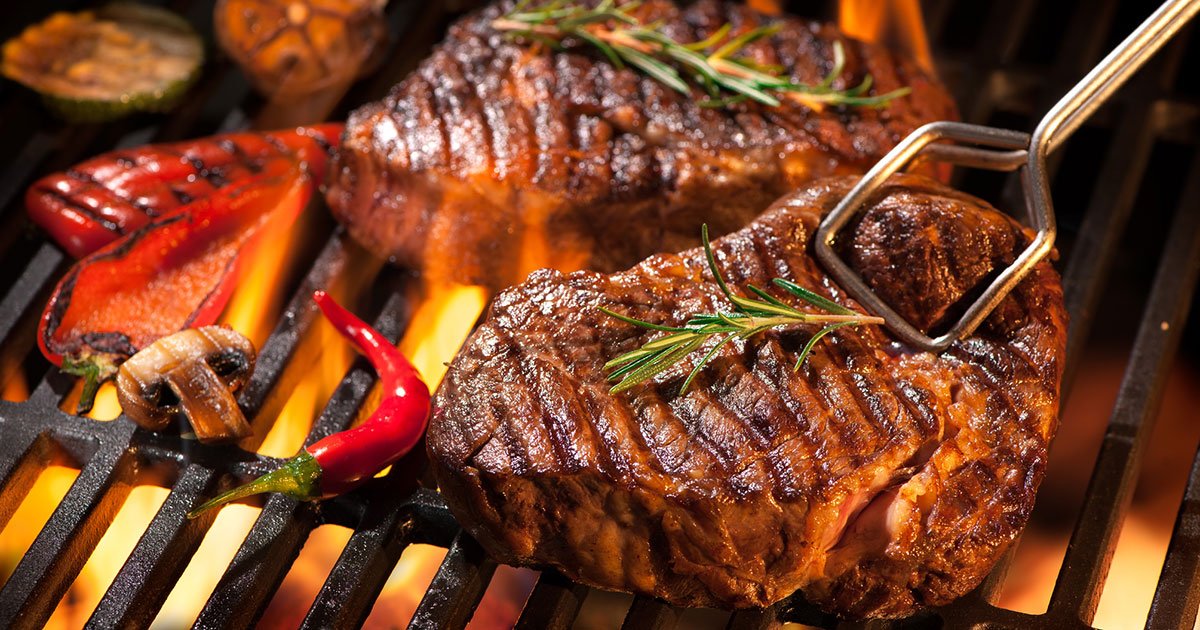
🔥 Most People Don’t Know Grilling Meat Raises Cancer Risk—Here’s How to Grill Smarter and Safer
Nothing says summer like firing up the grill. Whether you’re searing steaks, flipping burgers, or charring veggies, there’s something about outdoor cooking that just makes everything taste better.
But here’s something many people don’t realize: grilling meat at high temperatures—especially over an open flame—can increase your risk of cancer. The good news? That doesn’t mean you need to give up your favorite BBQ traditions.

By learning a few simple cooking tricks and tweaks, you can make grilling healthier without sacrificing flavor. Let’s break down why high-heat grilling raises health concerns—and what you can do to keep things safer at your next cookout.
🧬 Why Grilling Meat May Raise Cancer Risk
When meat is grilled, especially at high heat or directly over an open flame, chemical reactions occur that can form potentially harmful compounds. Two of the main culprits are:
1. Heterocyclic amines (HCAs)
These form when muscle meats (like beef, poultry, or pork) are cooked at very high temperatures. The longer and hotter the cook, the more HCAs are created.
2. Polycyclic aromatic hydrocarbons (PAHs)
These are created when fat drips onto hot coals or flames, causing smoke. That smoke can coat the meat with PAHs—which are known carcinogens (cancer-causing agents).
Both HCAs and PAHs have been linked in studies to an increased risk of certain cancers, including colon, pancreatic, and prostate cancers. While the occasional burger won’t hurt you, frequent consumption of grilled meats cooked at very high temps may add up over time.
🍗 6 Ways to Grill Meat More Safely (Without Losing Flavor)
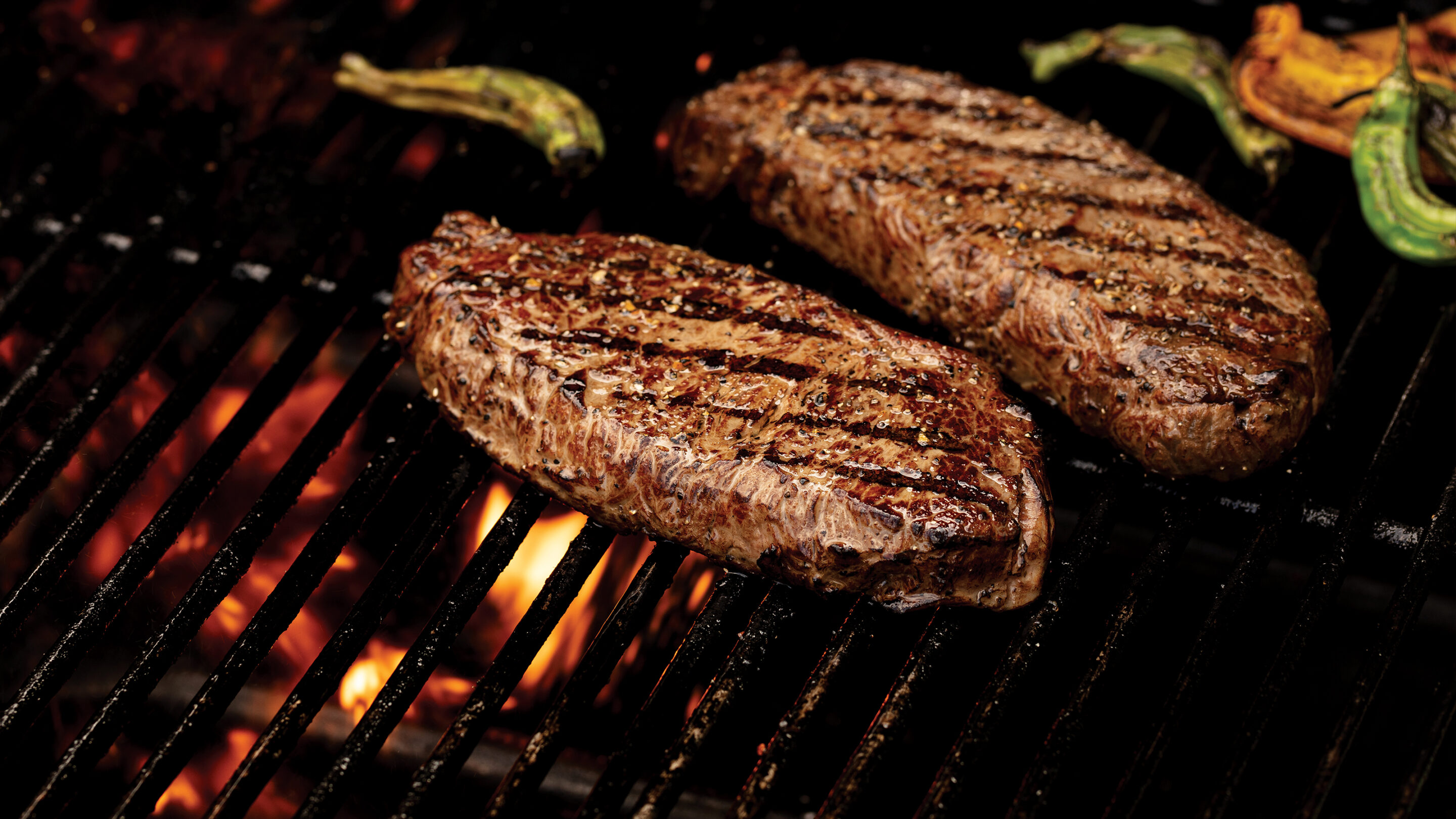
You don’t have to give up grilling—just grill smarter. Here are six science-backed ways to reduce your exposure to cancer-linked compounds while still enjoying your favorite grilled meals:
1. Marinate Your Meat First
Marinating meat isn’t just about adding flavor—it can actually reduce the formation of HCAs by up to 90%.
- Use marinades made with herbs like rosemary, thyme, garlic, and oregano, which contain powerful antioxidants.
- Acidic ingredients like lemon juice, vinegar, or yogurt also help by lowering the meat’s surface temperature during cooking.
- Keep marinating time to at least 30 minutes, or longer for deeper flavor and more protective benefits.
➡️ Pro tip: Avoid sugary sauces (like some BBQ glazes) until the last few minutes of grilling—they can burn easily and increase harmful compounds.
2. Pre-Cook in the Oven or Microwave

Want to reduce grill time and still get that smoky char? Start the meat in the microwave, oven, or stovetop, then finish it on the grill. This trick reduces how long the meat is exposed to high flame, which limits HCA and PAH formation.
- For thick cuts (like chicken thighs or bone-in meats), pre-cooking ensures they reach safe internal temperatures without over-charring the surface.
- Be sure to discard any juices from the pre-cooking process—they can contain precursors to HCAs.
3. Grill at Lower Temperatures
Instead of searing meat over blazing hot coals, try indirect heat grilling. This reduces flare-ups, keeps fat from dripping directly onto flames, and minimizes smoke exposure.
- Use a two-zone grill setup: one side hot, the other cooler. Sear briefly, then move to the cooler side to finish cooking.
- Keep a spray bottle handy to tame flare-ups quickly.
➡️ Remember: The goal is not to avoid grilling altogether, but to avoid burning or blackening the meat, which is where the highest concentrations of HCAs and PAHs are found.
4. Choose Lean Cuts and Trim the Fat
:max_bytes(150000):strip_icc()/flanksteak14-56a5c2be5f9b58b7d0de5ace.jpg)
Fatty meats drip more when grilled, which leads to more flare-ups and smoke.
- Choose leaner cuts of meat like chicken breast, pork tenderloin, or sirloin.
- Trim visible fat before grilling.
- Avoid heavily processed meats (like sausages or hot dogs), which may contain preservatives and nitrates that add their own health risks.
5. Flip Frequently
According to research, flipping your meat often (every 30–60 seconds) can significantly reduce the formation of HCAs.
- Use tongs or a spatula rather than a fork, so you don’t pierce the meat and release juices (which could cause more smoke).
- Frequent flipping also helps even out cooking, reducing hot spots that might burn.
6. Add More Veggies to the Grill
:max_bytes(150000):strip_icc()/GettyImages-834739661-5ae9bcb8eb97de0039ea0434.jpg)
Here’s some good news: HCAs and PAHs don’t form in plant-based foods, so veggies are completely safe to grill.
- Load up your grill with zucchini, bell peppers, mushrooms, corn, asparagus, or eggplant.
- Try grilling plant-based proteins like tempeh, tofu, or veggie burgers for a protein-packed, lower-risk option.
➡️ Make veggies the star of the meal—and use meat more as a side dish or flavor accent.
🧠 Pro Tips for Grilling Safer This Summer
- Clean your grill grates before each use to reduce buildup of charred residues.
- Avoid charring or burning food. Remove any blackened pieces before serving.
- Use a meat thermometer to avoid overcooking and ensure doneness without guesswork.
- Swap in grill mats or foil under meats to catch drips and reduce flare-ups.
🧑⚕️ What the Experts Say
Health organizations like the American Institute for Cancer Research (AICR) and the National Cancer Institute recognize that grilled meats, when consumed in excess or cooked improperly, may carry cancer risks.
Their advice? Balance, moderation, and technique matter.
- Focus on diversity in protein sources: incorporate more plant-based meals alongside your meat-based favorites.
- Eat grilled red and processed meats occasionally, not daily.
- Always pair grilled meats with plenty of vegetables, whole grains, and fiber-rich sides to offset inflammation.
🙋♀️ FAQs: Grilling and Cancer Risk
Q: Is it unsafe to eat grilled meat at all?
No—grilled meat isn’t inherently unsafe. The risk comes from how the meat is cooked. Using safer grilling methods, marinating, and avoiding charring makes a big difference.
Q: Which meats are most likely to produce HCAs and PAHs?
Red meats (like beef and pork) and poultry form more HCAs when cooked at high temps. PAHs form in any fat-dripping situation, so fattier cuts and open flames raise that risk.
Q: Do gas grills reduce cancer risks compared to charcoal?
Gas grills can be easier to control temperature-wise, helping you avoid burning. But PAHs can still form if fat drips and smokes. The cooking method matters more than the fuel.
Q: Can grilling veggies cause cancer?
No. HCAs and PAHs are linked to animal proteins, not plant foods. Grilled vegetables are safe—and healthy.
Q: How often is it okay to eat grilled meat?
Experts suggest limiting charred, grilled red or processed meats to once or twice a week. Aim for variety and moderation.
✅ Final Thoughts: Enjoy the Grill, Just Grill Smart

You don’t need to give up grilling—it’s one of life’s simple pleasures. But being aware of the potential health risks of high-heat cooking is the first step in protecting yourself and your family.
By making a few adjustments—like marinating your meat, trimming the fat, lowering your cooking temperature, and flipping often—you can dramatically reduce harmful compounds while keeping all the smoky, satisfying flavor you love.
And don’t forget to pile on the veggies, explore meatless options, and treat grilling as part of a broader, balanced diet. The more colorful your grill, the better for your body.
🍴 In Summary: Safer Grilling Checklist
✅ Marinate with herbs and acids
✅ Pre-cook large cuts before grilling
✅ Grill on lower heat or indirect heat
✅ Trim fat and choose lean meats
✅ Flip frequently
✅ Load up on grilled veggies
✅ Clean the grill regularly