How Often Should You Dry Brush for Smoother Skin and Better Circulation?
Unlock glowing skin and a natural energy boost with this centuries-old ritual
If you’ve ever scrolled through wellness blogs or TikTok skincare routines, chances are you’ve come across the buzz around dry brushing. This simple yet incredibly satisfying ritual has gained traction for its claimed ability to improve circulation, exfoliate skin, and even reduce the appearance of cellulite.

But how often should you dry brush to actually see benefits—and not overdo it?
Let’s break down everything you need to know about how dry brushing works, how often to do it, how to do it correctly, and what kind of results you can expect. Plus, we’ll tackle common questions and offer expert-backed tips so you can confidently add dry brushing to your self-care routine.
🌿 What Is Dry Brushing, Anyway?
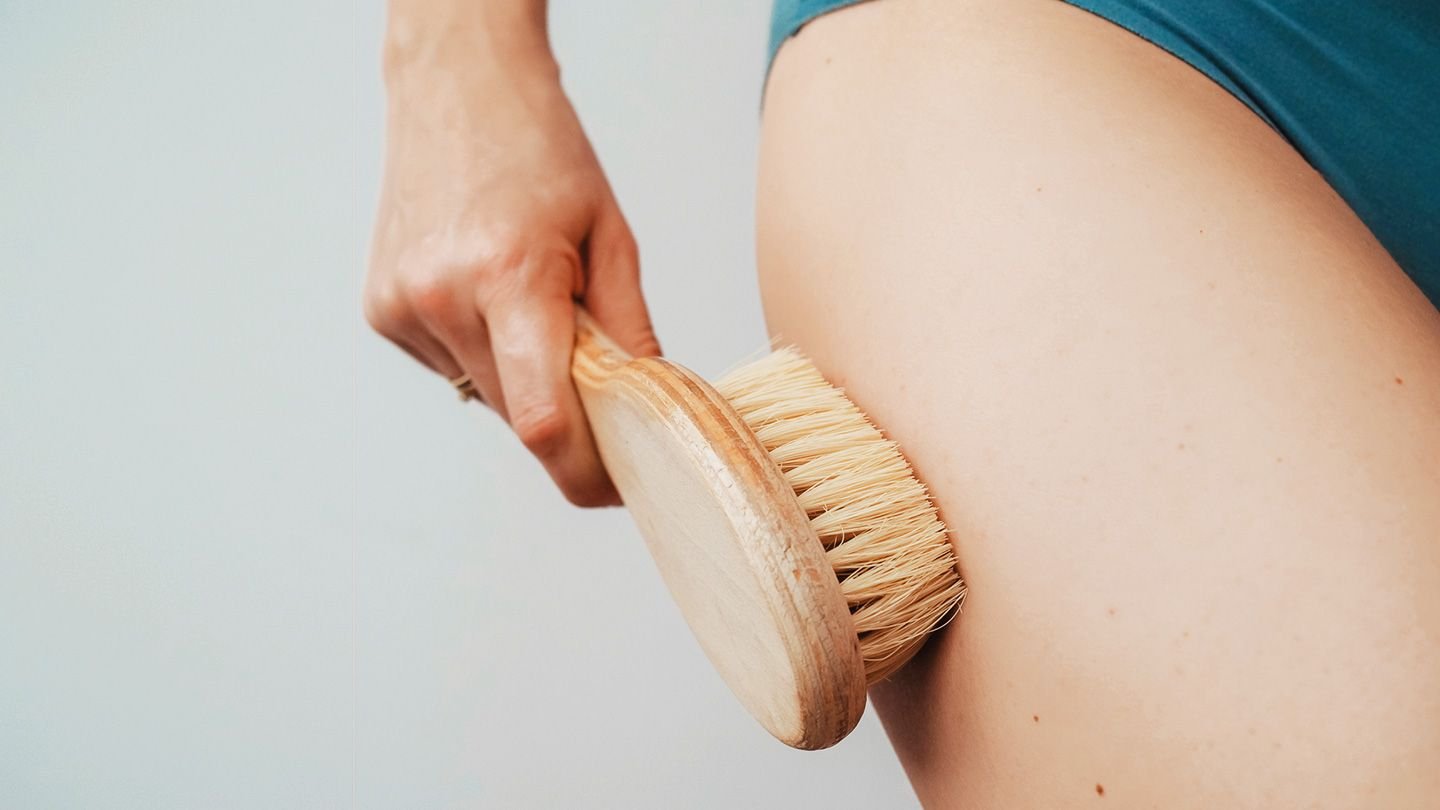
Dry brushing is exactly what it sounds like: brushing your skin while it’s dry using a stiff-bristled brush, typically made from natural fibers like boar hair or plant-based materials.
It’s believed to offer multiple benefits, including:
- Gentle exfoliation (removing dead skin cells)
- Boosting circulation and lymphatic flow
- Temporarily improving the appearance of cellulite
- Stimulating the nervous system for an energy-boosting effect
- Helping skin better absorb moisturizers after showering
While dry brushing has roots in ancient Ayurvedic and traditional medicine practices, it’s seeing a modern revival thanks to beauty influencers, dermatologists, and wellness gurus who swear by its skin-smoothing and circulation-boosting results.
🪥 How Often Should You Dry Brush?
The ideal dry brushing frequency depends on your skin type, goals, and personal preferences. Here’s a general guideline:
| Skin Type | Recommended Frequency |
|---|---|
| Normal skin | 2–3 times per week |
| Dry/sensitive skin | 1–2 times per week |
| Oily/resilient skin | Up to 4 times per week (as tolerated) |
| Very sensitive/eczema-prone | Once a week or skip altogether (consult dermatologist) |
Consistency is key. You don’t need to dry brush daily to see benefits—doing it a few times a week is usually enough to improve skin texture and encourage circulation without over-exfoliating.
⚠️ Signs You’re Overdoing It:
- Persistent redness or stinging
- Flaky or tight skin
- Increased sensitivity
- Microtears or broken capillaries
If any of these pop up, ease back on your routine and let your skin recover.
🧴 Benefits of Dry Brushing: What’s Real and What’s Hype
✅ 1. Smoother, Softer Skin
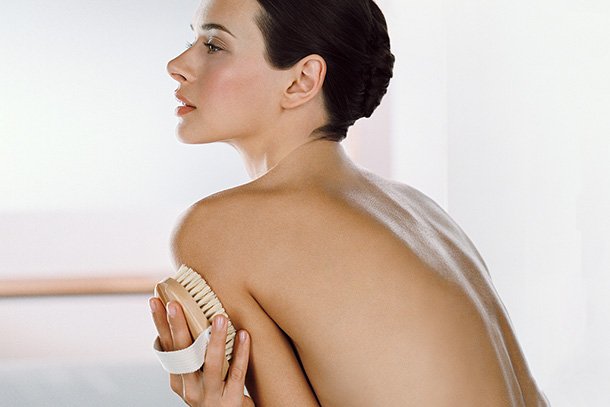
Dry brushing gently buffs away dead skin cells, revealing fresher, more radiant skin underneath. Over time, you may notice:
- Fewer dry patches
- Improved skin tone
- Softer texture
✅ 2. Improved Blood Circulation
Brushing in long, upward strokes stimulates blood flow and wakes up your nervous system. Many people say they feel more energized after a session—especially in the morning.
✅ 3. Lymphatic Support
Dry brushing is often touted for helping with lymphatic drainage, which encourages the removal of toxins from the body. While scientific evidence is limited, many people claim it helps reduce puffiness and improves their overall sense of well-being.
⚠️ 4. Cellulite Reduction (Temporary)
Dry brushing won’t erase cellulite permanently—but it may temporarily plump and firm the skin, making dimples appear less noticeable. That’s mostly due to increased circulation and exfoliation.
🧭 How to Dry Brush Correctly (Step-by-Step Guide)
What You’ll Need:
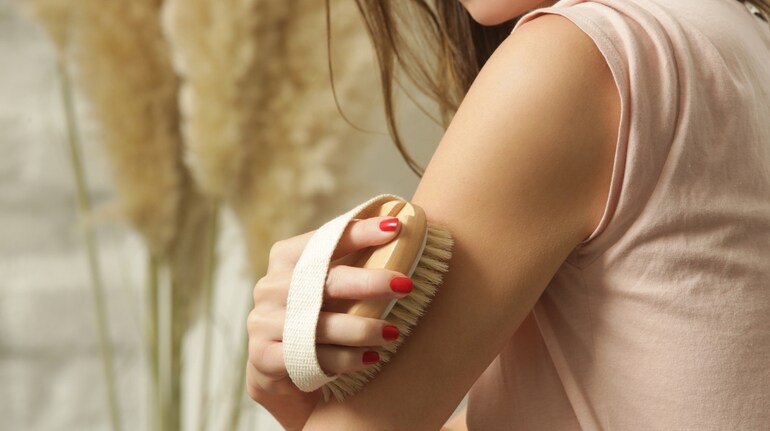
- A natural-bristle dry brush with a handle for hard-to-reach areas
- Clean, dry skin (before showering)
- A gentle moisturizer or body oil for aftercare
Steps:
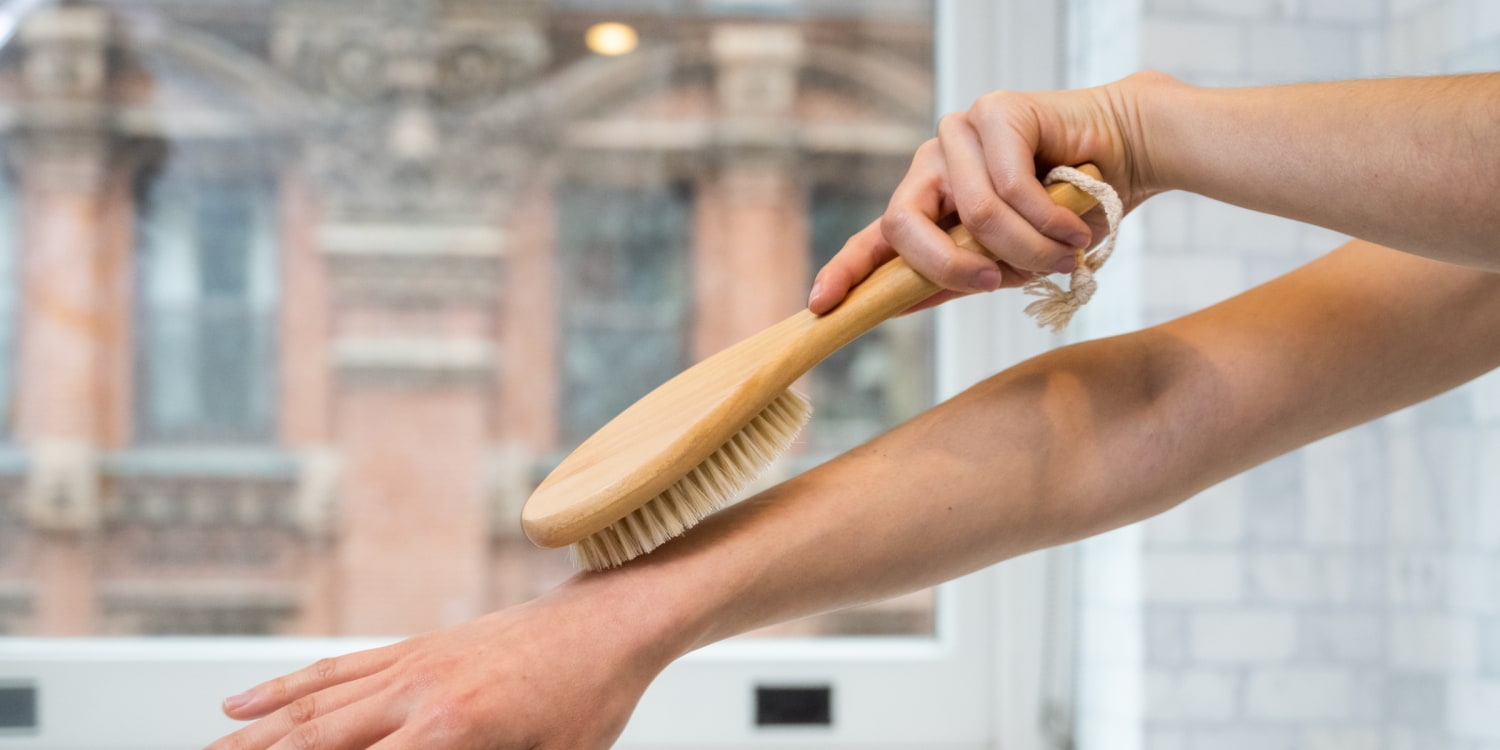
- Start at your feet and brush upward in long, sweeping motions toward the heart.
- Use firm, but not aggressive pressure—your skin should be slightly pink, not red or irritated.
- Move up to the legs, thighs, and buttocks using upward strokes.
- For the stomach, use clockwise circular motions to follow the direction of digestion.
- Brush from hands up toward shoulders, and across the chest (gently).
- Avoid broken skin, sunburns, rashes, or inflamed areas.
- Shower afterward to rinse off dead skin cells.
- Finish with a hydrating lotion or oil to nourish the freshly exfoliated skin.
⏱️ Time commitment: Just 3–5 minutes per session is enough!
🛁 When Is the Best Time to Dry Brush?
Most experts recommend dry brushing in the morning before a shower, as the practice has a mild stimulating effect that can help you feel more awake and energized.
If you prefer evenings or find it relaxing before bed, that’s okay too. Just remember to rinse and moisturize afterward no matter when you do it.
🧬 Who Should Avoid Dry Brushing?
Dry brushing is generally safe, but it’s not for everyone. You should avoid or consult a doctor before starting if you have:
- Active eczema or psoriasis
- Rosacea or very sensitive skin
- Broken skin, cuts, or infections
- Varicose veins or vascular issues
- Certain medical conditions that affect skin or blood vessels
Pregnant individuals should also check with their doctor before beginning a routine.
🧴 What Kind of Brush Should You Use?

Not all dry brushes are created equal. Look for:
- Natural bristles (boar or plant-based like sisal or cactus)
- Medium firmness (not too soft, not scratchy)
- Long handle if you want to reach your back
- Removable head or travel-friendly options if you want versatility
Always clean your brush regularly with warm water and soap, and let it dry completely to prevent bacteria buildup.
❓ Frequently Asked Questions (FAQs)
Q: Can dry brushing cause irritation?
Yes—if you brush too hard or too often. Use gentle pressure and listen to your skin. Slight pinkness is okay; redness or burning is not.
Q: Does dry brushing help with detoxing?
While dry brushing may support lymphatic circulation, it doesn’t directly detox your organs. Your liver and kidneys already do that job very efficiently.
Q: Can I dry brush my face?
Only with a softer brush made specifically for the face. Avoid using a body brush on facial skin—it’s far too harsh.
Q: Will dry brushing help me lose weight?
No. Dry brushing is not a weight-loss method. Any reduction in puffiness is temporary and cosmetic.
Q: Is dry brushing okay for acne-prone skin?
Avoid dry brushing over acne breakouts or inflamed skin—it may worsen irritation. Stick to other exfoliation methods like salicylic acid for acne-prone areas.
✅ Conclusion: A Simple Ritual for Healthier, Smoother Skin
Dry brushing isn’t a magic bullet—but it’s a gentle, accessible, and time-tested way to boost your skincare routine. Whether you’re looking to exfoliate dull skin, support circulation, or just enjoy a few mindful moments of self-care, dry brushing can be a valuable tool in your wellness toolbox.
Key Takeaways:
- 2–3 times per week is the sweet spot for most people
- Use gentle, upward strokes toward your heart
- Always follow up with a shower and moisturizer
- Skip dry brushing if you have very sensitive or broken skin
- Choose a natural-bristle brush for best results