7 Powerful Ways Shea Butter Nourishes and Protects Your Skin
A natural skincare hero with centuries of benefits
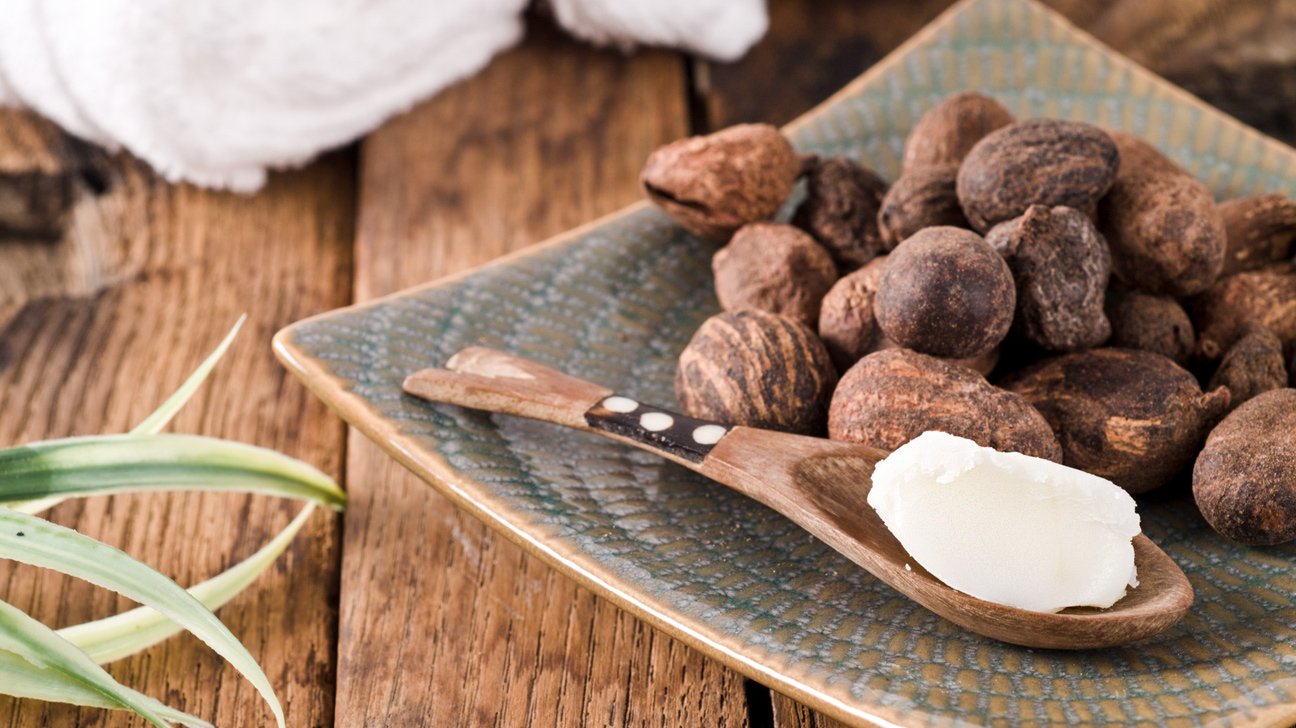
When it comes to natural, multitasking skincare ingredients, few are as beloved—or as effective—as shea butter. This rich, creamy fat extracted from the nuts of the African shea tree has been used for centuries in traditional medicine and beauty rituals. And today, it’s still going strong as a go-to ingredient in everything from moisturizers and body butters to lip balms and even baby products.
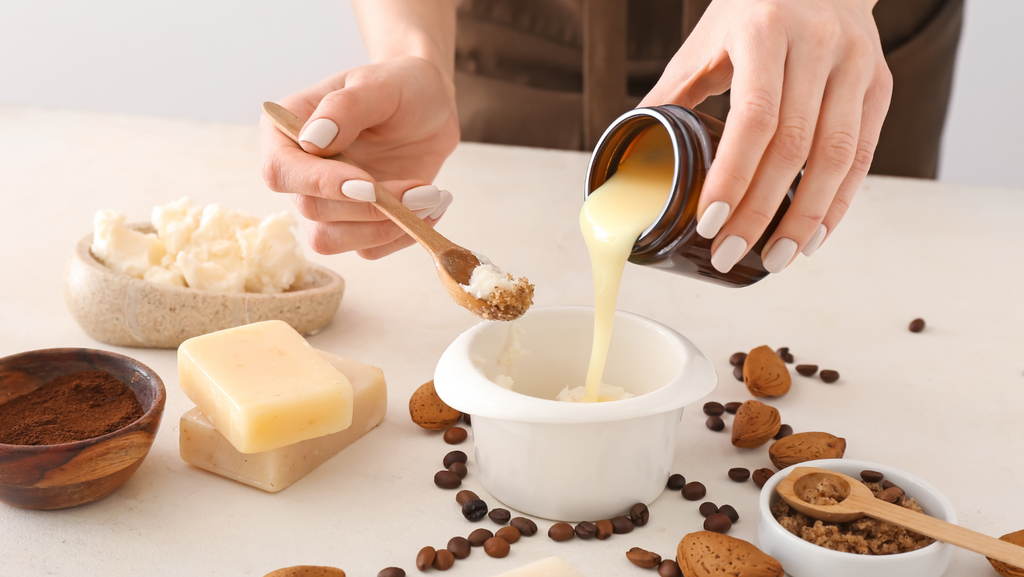
But what exactly makes shea butter so special? And how does it actually help your skin?
Let’s break down seven powerful ways shea butter works to nourish, soothe, and protect your skin, plus expert tips on how to use it, what to look for in products, and answers to common questions.
🌿 What Is Shea Butter, Exactly?
Shea butter is a plant-based fat extracted from the nuts of the Vitellaria paradoxa tree, commonly found across West Africa. Once the nuts are harvested, they’re boiled, sun-dried, and ground into a paste before being kneaded and heated to release the oils—eventually solidifying into the smooth butter we recognize.
What makes shea butter such a standout ingredient is its unique composition of:
- Fatty acids (like oleic, stearic, palmitic, and linoleic acids)
- Vitamins A and E
- Antioxidants
- Plant sterols
- Cinnamic acid derivatives, which offer mild UV protection
The result? A deeply moisturizing, nourishing, and protective balm that’s gentle enough for sensitive skin—but powerful enough to tackle dryness, irritation, and even signs of aging.
💧 1. Deeply Moisturizes Dry Skin
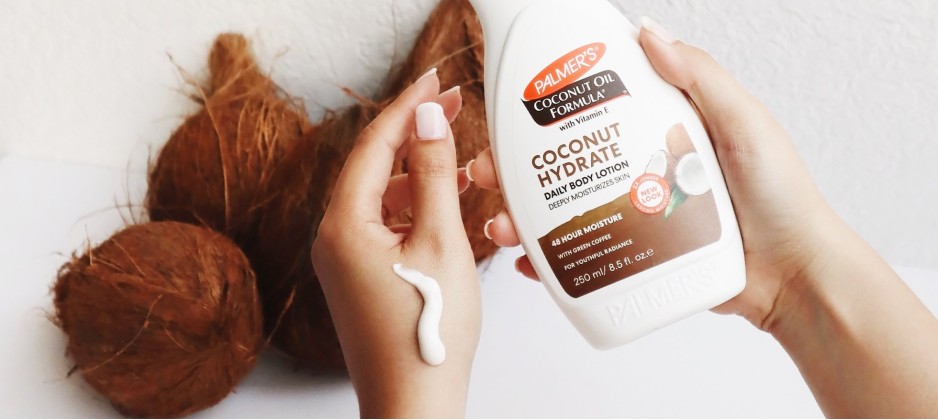
Shea butter is best known for its rich, creamy texture and intense hydration properties. It’s an emollient, meaning it fills in the spaces between skin cells with lipids, making the surface feel smooth and soft.
Whether you’re dealing with dry patches, flaking, or seasonal tightness, shea butter provides long-lasting moisture without clogging pores. It forms a breathable, protective barrier over the skin, locking in hydration and preventing moisture loss.
Pro tip: Apply shea butter to slightly damp skin after bathing to seal in hydration for hours.
🔥 2. Soothes Inflammation and Irritation
Thanks to its anti-inflammatory compounds, like cinnamic acid esters and lupeol, shea butter helps calm redness, swelling, and irritation. It’s particularly helpful for soothing:
- Eczema
- Psoriasis
- Rashes
- Sunburn
- Minor cuts or abrasions
Its gentle nature makes it ideal even for sensitive skin types, including babies and those with reactive skin.
🌟 3. Rich in Antioxidants That Fight Skin Aging
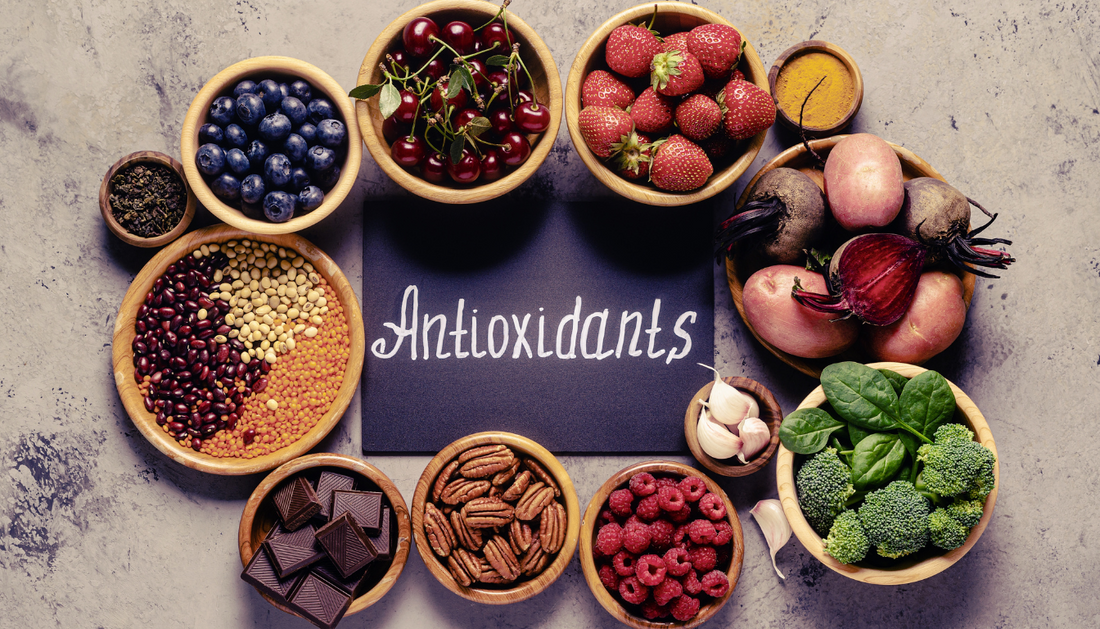
Shea butter is naturally loaded with vitamins A and E, two potent antioxidants that help combat free radical damage caused by pollution, sun exposure, and stress.
These antioxidants support:
- Collagen production
- Skin cell regeneration
- Elasticity improvement
Over time, consistent use can help reduce the appearance of fine lines, wrinkles, and uneven skin tone, leaving skin looking plump, smooth, and more youthful.
🛡️ 4. Offers Natural, Mild Sun Protection
While not a replacement for traditional sunscreen, unrefined shea butter contains a small amount of cinnamic acid, a compound that provides natural UV-blocking properties.
This means shea butter can offer mild sun protection—roughly equivalent to SPF 3 to 6—which makes it a great supplemental barrier in daily moisturizers, lip balms, or hair products.
Just don’t skip your actual SPF!
🧬 5. Supports Skin Barrier Repair and Healing

The fatty acids in shea butter play a crucial role in restoring the skin’s natural barrier, which is often damaged by harsh weather, over-exfoliation, or chronic skin conditions.
By feeding the skin with essential lipids and nutrients, shea butter helps:
- Repair cracks and microtears
- Strengthen the moisture barrier
- Accelerate wound healing
This makes it perfect for treating chapped lips, cracked heels, and dry hands, especially in cold or dry climates.
👶 6. Safe and Gentle Enough for Sensitive Skin (Even Babies!)
Unrefined, pure shea butter is non-comedogenic, meaning it won’t clog pores, and it’s free from artificial additives, making it ideal for sensitive skin.
It’s so gentle that many pediatricians recommend it for:
- Diaper rash
- Baby eczema
- Cradle cap
It also makes a fantastic pregnancy belly balm to keep skin elastic and reduce the risk of stretch marks.
💪 7. Protects Skin From Harsh Environmental Factors
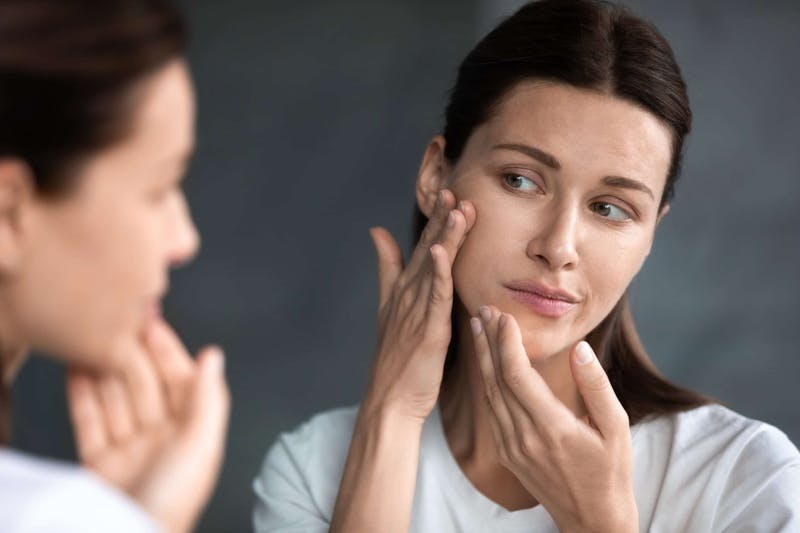
Whether you live in a cold, windy climate or spend time in dry, air-conditioned environments, shea butter acts as a natural shield against the elements.
Its thick texture forms a breathable, protective layer that:
- Blocks harsh wind and cold
- Prevents skin dehydration from dry indoor air
- Protects against environmental toxins
Use it before heading out in winter or after a day in the sun to help your skin stay balanced and healthy.
🧴 How to Use Shea Butter in Your Routine
Shea butter can be used on its own or as part of your skincare products. Here are a few great ways to incorporate it:
✅ Face
Use sparingly on dry patches or as a nighttime moisture mask. Great for dry, aging, or sensitive skin types.
✅ Body
Slather on after showers for buttery-soft skin. Focus on elbows, knees, heels, and anywhere prone to dryness.
✅ Lips
Apply pure shea butter as a nourishing lip balm or overnight mask.
✅ Hands and Feet
Massage into cuticles or cracked heels. For extra repair, apply before bed and wear cotton gloves or socks overnight.
🔍 Refined vs. Unrefined Shea Butter: What’s the Difference?
| Type | Pros | Cons |
|---|---|---|
| Unrefined (Raw) | Most nutrients preserved, natural scent, rich texture | May have grainy texture or strong nutty aroma |
| Refined | Smoother texture, neutral scent, better for product formulations | Some nutrients may be lost in processing |
Choose unrefined shea butter for the highest concentration of skin-healing nutrients. Look for “Grade A” or “Fair Trade” on the label for the best quality.
❓ Frequently Asked Questions (FAQs)
Q: Is shea butter good for oily or acne-prone skin?
Yes—surprisingly! Shea butter is non-comedogenic (rated 0–1) and won’t clog pores. Its anti-inflammatory properties may actually help reduce breakouts and redness when used in small amounts.
Q: Can I use shea butter on my face daily?
Absolutely, especially if you have dry or sensitive skin. Just use a thin layer to avoid feeling greasy, and patch test if you’re acne-prone.
Q: How long does shea butter last?
Pure shea butter can last up to 2 years when stored in a cool, dry place, away from direct sunlight.
Q: Can I use it during pregnancy?
Yes! Shea butter is often used to moisturize a growing belly, and may help reduce stretch marks. Always consult your doctor for peace of mind.
Q: Is shea butter vegan and cruelty-free?
Shea butter is 100% plant-based and cruelty-free. Just check product labels to ensure no animal-derived ingredients were added during processing.
✅ Conclusion: Is Shea Butter Worth the Hype?
Without a doubt, yes. Shea butter is more than just a trendy ingredient—it’s a time-tested skin savior loaded with nourishing fats, antioxidants, and healing compounds. Whether you’re looking to fight dryness, soothe irritation, prevent aging, or protect your skin barrier, shea butter has your back (and your elbows, lips, and heels too).
To make the most of shea butter:
- Choose high-quality, unrefined versions
- Use it consistently in areas prone to dryness or damage
- Pair it with gentle cleansers and SPF for full skin protection
From head to toe, shea butter is one of nature’s most versatile skincare ingredients—and once you try it, you’ll wonder how you ever lived without it.