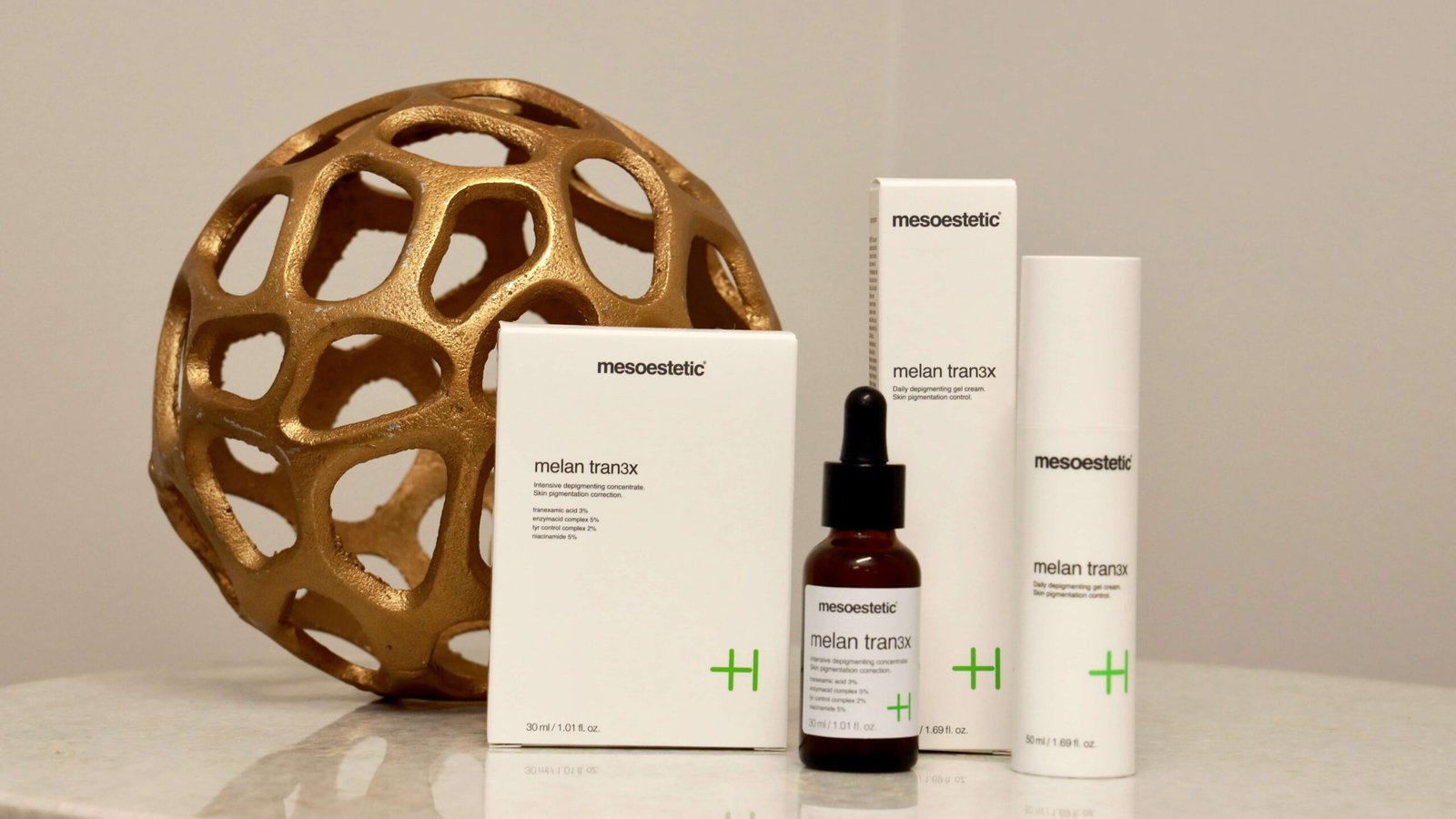
How Tranexamic Acid (TXA) Can Help Improve Skin Discoloration
A dermatologist-approved guide to using TXA for brighter, more even-toned skin
If you’ve been struggling with stubborn dark spots, melasma, or post-inflammatory hyperpigmentation (PIH), you’re not alone. Uneven skin tone is one of the most common—and frustrating—skin concerns. While ingredients like vitamin C, niacinamide, and hydroquinone often get the spotlight, there’s a newer name making waves in the world of skincare: Tranexamic Acid, also known as TXA.
:max_bytes(150000):strip_icc()/serum-GettyImages-1225106634-ec7daab327014141b6c4af17a6e1a709.jpg)
Originally used in medicine to reduce bleeding, TXA has now earned a reputation as a powerful skin-brightening ingredient, backed by science and approved by dermatologists. Curious how it works, how to use it, and whether it’s right for you? Let’s dive into everything you need to know.
✨ What Is Tranexamic Acid (TXA)?
Tranexamic acid is a synthetic form of an amino acid called lysine, and it’s been used for decades in medicine—especially for treating heavy bleeding and surgical procedures. But researchers discovered something interesting: patients who took TXA for medical reasons also saw an improvement in skin discoloration.
That discovery sparked a wave of interest in TXA as a topical and oral treatment for hyperpigmentation—especially for conditions like melasma, a chronic skin disorder that causes brown patches, often on the face.
Now, TXA is found in serums, creams, and even oral supplements, and is considered one of the safest and most effective treatments for stubborn pigmentation.
🧬 How Does Tranexamic Acid Help With Skin Discoloration?
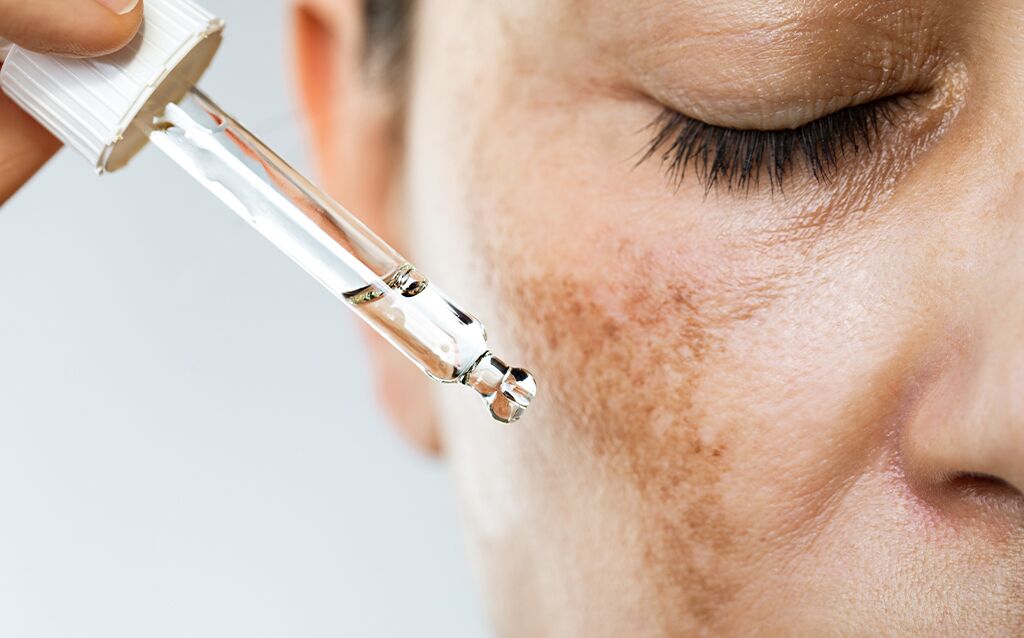
Unlike exfoliants or bleaching agents that work by shedding surface pigment or inhibiting melanin production directly, TXA works at the vascular and inflammatory level of the skin.
Here’s how TXA targets hyperpigmentation:
- Inhibits melanin production by blocking the interaction between melanocytes (pigment-producing cells) and keratinocytes (skin cells)
- Reduces vascularization (blood vessel formation) that contributes to melasma
- Fights inflammation, which is often the root cause of pigmentation, especially after acne or injury
- Interrupts the UV-triggered pigmentation process, making it ideal for sun-induced discoloration
It’s especially effective for treating:
- Melasma
- Sun spots (solar lentigines)
- Post-acne marks (PIH)
- Pregnancy-related pigmentation
- Dull or uneven tone from sun exposure
🧴 How to Use Tranexamic Acid in Your Skincare Routine

TXA is available in topical, oral, and even in-office injectable forms. For most people, topical products are the easiest and safest starting point. Here’s how to incorporate TXA into your skincare routine.
✅ Topical Tranexamic Acid
Most TXA skincare products come in serum or cream form, often paired with other brightening agents like niacinamide, vitamin C, or kojic acid.
How to apply:
- Cleanse your face as usual.
- Apply TXA serum to affected areas (or entire face if needed).
- Follow up with moisturizer and sunscreen in the morning.
When to use it:
TXA is usually gentle enough for twice-daily use, but always follow the product’s instructions. Some people prefer to use it only at night.
✅ Oral Tranexamic Acid (by prescription only)
Oral TXA is a popular melasma treatment in dermatology clinics. Taken in low doses (250 mg twice daily), it’s been shown to significantly fade melasma patches in many patients.
⚠️ Important: Oral TXA should only be taken under medical supervision due to the small risk of blood clots.
✅ In-Office Treatments
Some dermatologists offer TXA microneedling, mesotherapy, or laser + TXA combo therapies for faster results in stubborn cases.
📆 When Will You See Results?
Consistency is key with TXA. While it’s not an instant fix, many users report visible improvement in 6 to 12 weeks, especially when combined with other brightening ingredients and sun protection.
You’ll likely notice:
- Gradual fading of dark patches
- More even overall tone
- Less redness and inflammation
- Reduced recurrence of melasma when used long-term
👩⚕️ What Skin Types Can Use TXA?
Great news: TXA is suitable for all skin types and tones, including sensitive skin and darker complexions, which are more prone to pigmentation.
✅ Safe for:
- Dry, oily, combination, or acne-prone skin
- Fitzpatrick skin types I–VI
- Pregnant women (topical only, but check with your doctor)
It’s also less likely than hydroquinone to cause irritation or rebound pigmentation.
⚠️ Side Effects and Safety
Topical TXA is generally very well tolerated. However, as with any new ingredient, it’s best to patch test before applying it all over your face.
Possible side effects:
- Mild redness or irritation (especially if using with other actives)
- Dryness (if overused)
Avoid mixing with:
- High-strength exfoliants (like AHAs or BHAs)
- Retinoids (if your skin is very sensitive)
Always wear SPF 30 or higher daily, especially when treating pigmentation. Sun exposure is the biggest culprit in undoing your hard work.
🧪 Best Ingredients to Pair With TXA
TXA plays well with others—and often delivers even better results when used alongside complementary brightening and calming agents.
Great combos include:
- Niacinamide: Helps reduce inflammation and supports the skin barrier
- Vitamin C: Boosts antioxidant protection and brightens
- Kojic Acid: Enhances skin lightening
- Hyaluronic Acid: Keeps skin hydrated while treating discoloration
- Azelaic Acid: A powerful anti-inflammatory and pigment reducer
- Retinol: Improves cell turnover and boosts results (alternate nights)
🛍️ TXA-Infused Products Worth Trying

Some popular and dermatologist-recommended products include:
- The Inkey List Tranexamic Acid Night Treatment – Lightweight and budget-friendly
- SkinCeuticals Discoloration Defense – Includes TXA, kojic acid, and niacinamide
- Naturium Tranexamic Topical Acid 5% – Great for sensitive skin, fragrance-free
- Murad Rapid Dark Spot Correcting Serum – Powerful blend for stubborn pigmentation
Choose a product that suits your skin type, budget, and routine. If you’re unsure where to start, go for a serum with 2–5% TXA for gradual, effective results.
❓ Frequently Asked Questions (FAQ)
Q: Can I use tranexamic acid daily?
Yes! Topical TXA is gentle enough for daily use, even twice a day for some. Just be sure to wear sunscreen consistently.
Q: How long before I see results?
Most people see visible improvement in 6–12 weeks, with continued fading over time. Patience is key with pigmentation treatments.
Q: Is TXA better than hydroquinone?
TXA is gentler, less irritating, and safe for long-term use. While hydroquinone is stronger, it’s also associated with more side effects and restrictions. TXA is a great alternative for sensitive skin or those avoiding hydroquinone.
Q: Can I use TXA during pregnancy or breastfeeding?
Topical TXA is generally considered safe during pregnancy, but check with your healthcare provider first. Oral TXA is not recommended during pregnancy.
Q: Does TXA help with acne?
It doesn’t directly treat acne, but it can help fade post-acne marks (PIH) and reduce redness or discoloration left behind by breakouts.
✅ Conclusion: Is Tranexamic Acid Right for You?

If you’ve tried every brightening serum under the sun and still struggle with melasma, dark patches, or lingering acne marks, tranexamic acid could be your skin’s new secret weapon. It’s backed by science, well-tolerated, and safe for all skin tones. Best of all, it works quietly in the background to fade discoloration without harsh exfoliation or irritation.
To get the most from TXA:
- Choose a quality serum or cream with 2–5% concentration
- Use it consistently (ideally daily or nightly)
- Combine it with SPF and other pigment-fighting ingredients
- Be patient—it’s a slow and steady transformation
Whether you’re treating melasma, sun spots, or uneven tone, TXA offers a gentle, dermatologist-backed approach to healthier, brighter, and more even skin