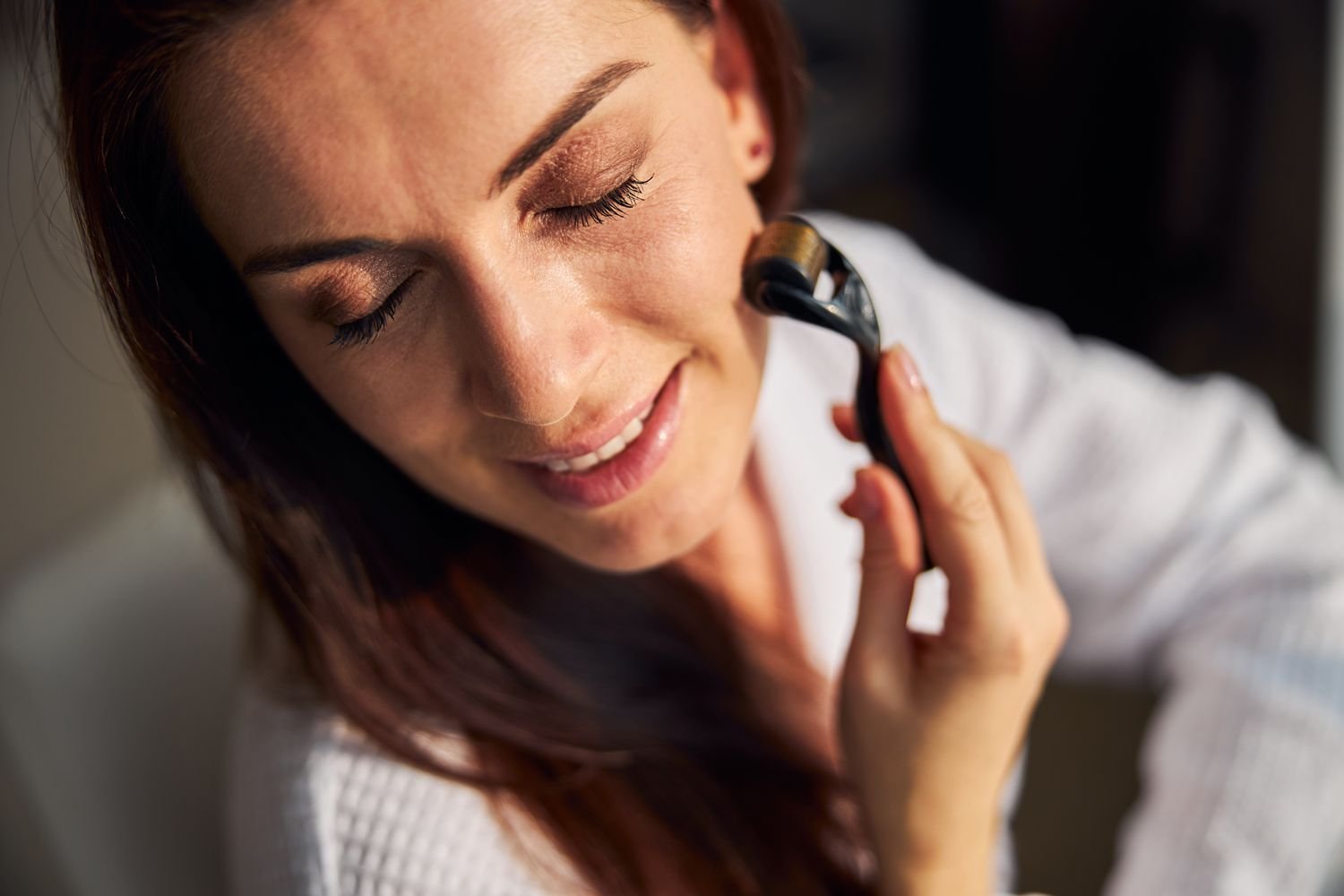
How to Safely Dermaroll at Home for Maximum Benefits
Your step-by-step guide to boosting collagen, reducing scars, and glowing—right from your bathroom
If you’ve ever dreamed of achieving smoother, firmer, or more radiant skin without spending hundreds at a clinic, dermarolling at home might be your new favorite beauty hack. Also known as microneedling, this skincare technique involves using a roller covered in tiny needles to create micro-injuries on the skin’s surface. The goal? To stimulate collagen and elastin production, improving skin texture, tone, and overall appearance over time.

But while the results can be amazing, it’s not something you want to wing. Done incorrectly, dermarolling can lead to irritation, breakouts, or even permanent damage. This complete guide covers how to safely dermaroll at home, what tools you’ll need, how to avoid common mistakes, and how to get the absolute best results.
🧠 What Is Dermarolling—and How Does It Work?
Dermarolling is a type of microneedling that uses a handheld roller device covered in dozens (or even hundreds) of tiny needles—usually ranging in length from 0.2mm to 1.5mm. When you roll it across your skin, these needles create micro-punctures that kickstart the body’s natural healing process.
That process triggers:
- Collagen and elastin production
- Increased blood flow to the skin
- Improved product absorption
- Cellular turnover
This is why dermarolling can help reduce:
- Fine lines and wrinkles
- Acne scars
- Stretch marks
- Hyperpigmentation
- Uneven skin texture
- Enlarged pores
Think of it as a reset button for your skin—done right, it gives your complexion a smoother, plumper, and more youthful glow over time.
🛠️ What You Need to Get Started at Home
Before you start, make sure you have the right tools and supplies. Here’s your basic dermarolling toolkit:
✅ A high-quality dermaroller
Look for a roller made with medical-grade stainless steel or titanium needles. Avoid cheap plastic ones that can cause skin tears or infection.
Choose the needle size based on your skin goals:
| Needle Size | Use |
|---|---|
| 0.2mm – 0.3mm | Boosting product absorption, fine lines, mild tone improvement |
| 0.5mm | Acne scars, pigmentation, deeper wrinkles |
| 1.0mm+ | Deeper scars, stretch marks (not recommended for beginners) |
💡 Tip: For home use, it’s best to stick to 0.2mm–0.5mm. Anything longer should be handled by a professional.
✅ 70% Isopropyl alcohol
For sterilizing your roller before and after each use.
✅ Gentle cleanser
Use a non-exfoliating, fragrance-free cleanser to prep your skin.
✅ Hydrating serum
Choose a serum with ingredients like hyaluronic acid or peptides—your skin will absorb products more effectively post-treatment.
✅ Sunscreen (SPF 30 or higher)
Essential for protecting your healing skin after dermarolling.
🧴 Step-by-Step: How to Safely Dermaroll at Home

Here’s exactly how to dermaroll properly and safely for maximum results:
Step 1: Disinfect the Roller
Soak the roller in 70% isopropyl alcohol for 5–10 minutes before every use. Let it air dry on a clean paper towel.
Step 2: Wash Your Face
Use a gentle cleanser to remove dirt, makeup, and oil. Pat dry with a clean towel. You want a clean, bacteria-free surface.
Step 3: Section Your Face
Mentally divide your face into sections: forehead, cheeks, chin, and neck. This helps you roll evenly and systematically.
Step 4: Roll Gently, Not Aggressively
Roll in each direction:
- Vertically
- Horizontally
- Diagonally (both ways)
In each section, roll 4–6 times per direction, using light to moderate pressure. Avoid going over the same area repeatedly or too harshly—this can damage your skin.
⚠️ Do not use on:
- Active acne
- Open wounds or irritated skin
- Eczema or rosacea-prone areas
Step 5: Apply a Hydrating Serum
Right after dermarolling, your skin will be like a sponge—apply a fragrance-free, alcohol-free serum. Hyaluronic acid is a great post-rolling ingredient to hydrate and soothe.
Step 6: Clean the Roller Again
After you’re done, rinse your roller with hot water, then soak it in alcohol for another 5–10 minutes. Let it dry completely before storing.
🗓️ How Often Should You Dermaroll?

- 0.2–0.3mm needles: 2–3 times per week
- 0.5mm needles: Once every 1–2 weeks
- 1.0mm+ needles: Monthly (professional use only)
Overdoing it can damage your skin and slow healing. Always allow time for your skin to fully recover.
❌ Dermarolling Mistakes to Avoid
- Using too long or dull needles
This can tear your skin and cause permanent damage or infection. - Not disinfecting your roller
This is crucial. Skipping this step can lead to bacteria entering your skin. - Dermarolling over active breakouts
Avoid rolling over acne—it can spread bacteria and make things worse. - Applying retinoids or exfoliants afterward
Stick to gentle, hydrating products post-treatment. Active ingredients like vitamin C, retinol, or AHAs can be too harsh immediately after. - Skipping sunscreen
Your skin will be extra sensitive after dermarolling. Always use broad-spectrum SPF the next day—and every day after.
✨ Benefits of Consistent Dermarolling
When done properly and consistently, dermarolling can lead to:
- Plumper skin with improved elasticity
- Reduced appearance of fine lines and wrinkles
- Diminished acne scars and hyperpigmentation
- Smoother skin texture
- Smaller-looking pores
- Better absorption of serums and moisturizers
Results won’t be instant, but with regular use over 8–12 weeks, most people see noticeable improvements.
🧬 What to Expect After Dermarolling

- Mild redness and sensitivity for 24–48 hours (like a mild sunburn)
- Slight flaking or tightness as your skin heals
- No visible bleeding or peeling if using proper needle size
If you experience swelling, bleeding, or rash, stop treatment and consult a dermatologist.
❓ Frequently Asked Questions (FAQ)
Q: Can I dermaroll if I have acne-prone skin?
Yes—but only if your acne is under control and not active. Avoid rolling over pimples or cysts. Once breakouts are healed, dermarolling can help fade post-acne marks and texture.
Q: Is dermarolling safe for darker skin tones?
Yes. In fact, microneedling is one of the few skin treatments that’s safe for all skin tones. It carries a lower risk of hyperpigmentation than lasers or chemical peels.
Q: Can I use dermarolling on my body?
Absolutely. Dermarolling can help with stretch marks, scars, and loose skin on areas like the stomach, thighs, or arms. Just be sure to use a device made for body use.
Q: When will I see results?
It varies. Most users notice a difference in 4–8 weeks, with continued improvement over several months. Consistency is key!
Q: Is it normal for my skin to peel or flake afterward?
A little flaking is normal as old skin sheds. Keep your skin moisturized and avoid using harsh scrubs or exfoliants while healing.
✅ Conclusion: Dermarolling Can Be a Game-Changer—If You Do It Right
Dermarolling at home is a powerful and affordable way to improve your skin—boosting collagen, fading scars, and enhancing product absorption. But it’s not a shortcut. It requires clean tools, correct technique, and proper aftercare to avoid irritation or damage.
To sum it up:
- Choose the right needle size (0.2–0.5mm for at-home use)
- Sanitize your roller and skin before and after every session
- Be gentle—don’t press too hard or overuse it
- Stick to soothing, hydrating serums post-treatment
- Protect your skin with sunscreen every day
With patience and consistency, you’ll likely see smoother, more even, and glowier skin within a few weeks. So roll wisely—and let your skin reap the benefits.