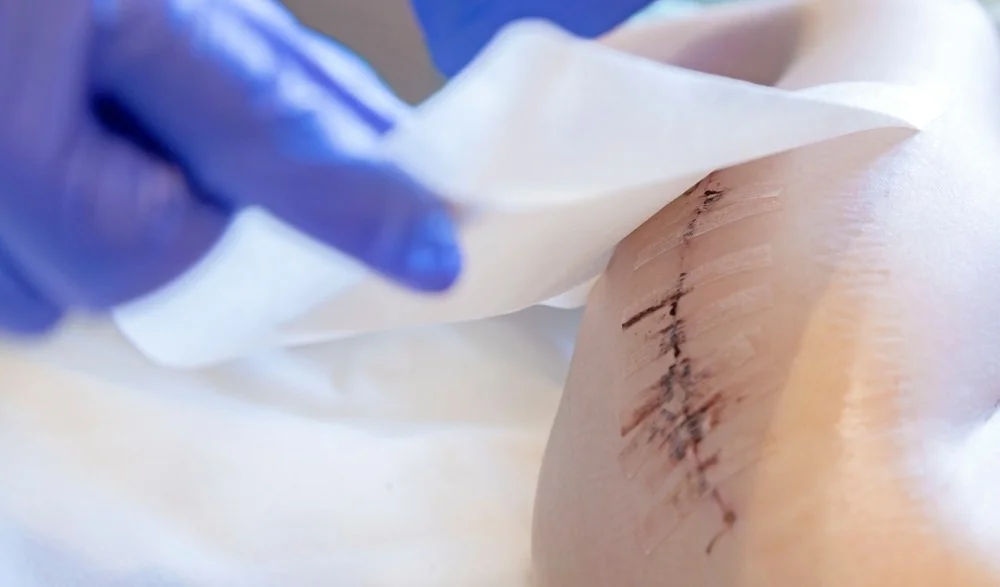
How to Effectively Use Silicone Scar Tape for Optimal Results
A complete guide to improving scar appearance with silicone tape—step-by-step, backed by science
Whether you’ve had surgery, an injury, a C-section, or even a stubborn acne breakout, scars are part of the skin’s natural healing process. But that doesn’t mean you have to live with visible, raised, or discolored marks forever. One of the most recommended and dermatologist-approved treatments for reducing the appearance of scars is silicone scar tape.
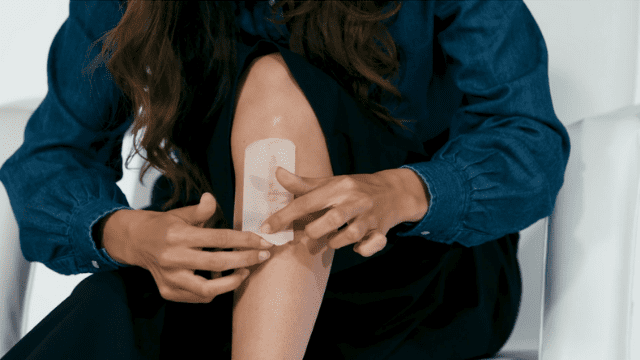
If you’re new to using it—or you’ve tried it in the past without much success—this guide will walk you through how to use silicone scar tape effectively for the best possible results. From prep to application, and from wear time to long-term care, we’ll cover it all.
✨ What Is Silicone Scar Tape and Why Does It Work?
Silicone scar tape (also known as silicone sheets or strips) is a soft, flexible, adhesive-backed sheet made from medical-grade silicone. It’s specifically designed to flatten, fade, and soften scars over time. You can wear it under clothing, apply it to healed surgical incisions, or cut it to size for smaller scars.
🧬 Why Silicone Works on Scars:
- Hydration: Silicone creates a protective barrier over the scar, helping retain moisture and prevent the skin from overproducing collagen.
- Pressure: The gentle pressure from the tape flattens raised scars (hypertrophic or keloid) over time.
- Oxygen Flow: Silicone allows for partial oxygen transmission while keeping the skin moist, which encourages optimal healing.
- Barrier Protection: It helps shield scars from friction and bacteria, reducing inflammation and discoloration.
Studies have shown silicone to be one of the most effective over-the-counter options for treating scars. It’s non-invasive, drug-free, and safe for most skin types—even sensitive skin.
🧾 What Types of Scars Can Silicone Tape Help With?
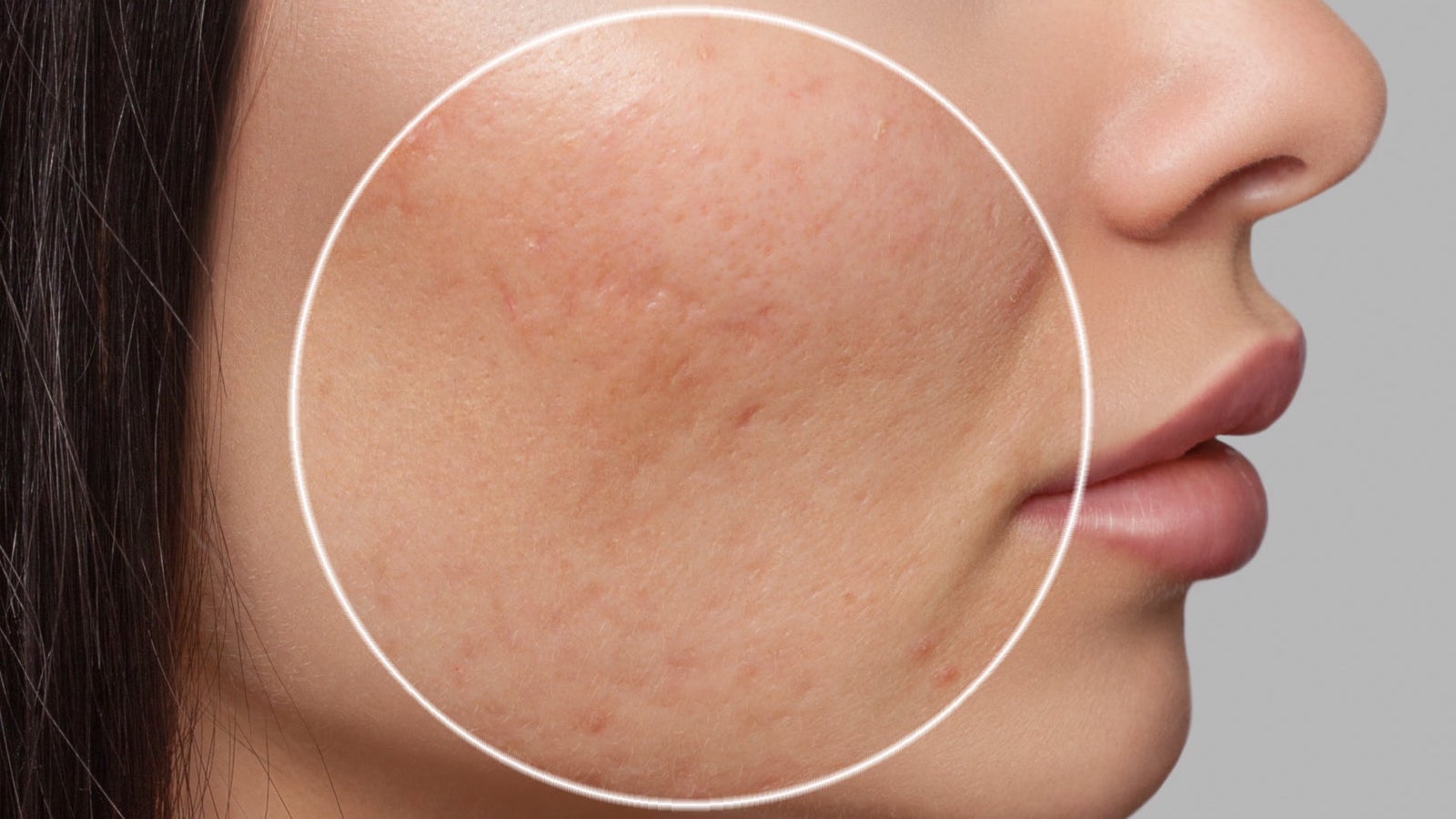
Silicone scar tape is most effective on:
- Surgical scars (like C-sections, orthopedic incisions, or tummy tucks)
- Keloid scars
- Hypertrophic scars (thick, raised scars that stay within the original wound)
- Burn scars
- Injury scars
- Cosmetic procedure scars
- Stretch marks (some improvement may be seen over time)
It’s also useful for preventing thick scars when used early in the healing process.
🧼 Step-by-Step: How to Use Silicone Scar Tape Effectively

Here’s how to get the most out of your silicone scar tape:
1. Wait Until the Wound Is Fully Healed
Never apply silicone tape to open wounds, broken skin, or infected areas. Only start using it when the skin is completely closed—typically 2–3 weeks post-surgery or after a wound has fully scabbed over and the scab has fallen off naturally.
2. Clean and Dry the Area Thoroughly
Before applying silicone tape, gently wash the area with a mild cleanser and warm water. Pat the skin completely dry. Oils, lotions, and sweat can reduce the tape’s adhesion and effectiveness.
3. Cut the Tape to Fit the Scar
Use clean scissors to trim the silicone sheet to the size and shape of your scar. Leave a small margin (about 0.5 cm) around the scar for full coverage.
4. Apply the Tape Directly Over the Scar
Peel off the backing and place the adhesive side directly onto the scar. Smooth it out to remove any air bubbles. The tape should lie flat without wrinkling or bunching.
5. Wear It Daily—Consistency Is Key
For best results, silicone tape should be worn for 12 to 24 hours a day. Some tapes can be reused for up to 7 days, depending on the brand. Replace the tape as needed if it loses stickiness or becomes dirty.
6. Gently Remove and Clean the Tape
If your silicone tape is reusable, wash it gently with mild soap and water every few days. Air-dry before reapplying. Avoid stretching or pulling the tape while removing it.
⏳ How Long Should You Use Silicone Scar Tape?
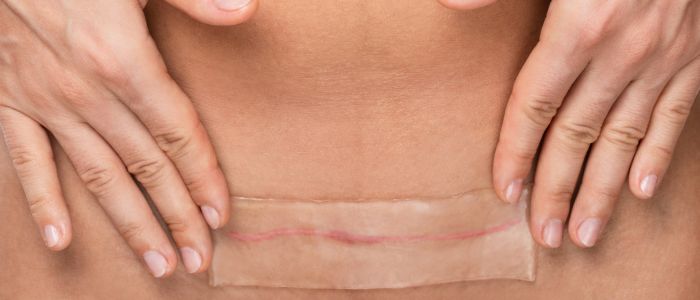
Patience and consistency are crucial. For noticeable improvement, most dermatologists recommend using silicone scar tape for at least 8–12 weeks, and sometimes up to 6 months for older or thicker scars.
- New scars: Wear for 2–3 months
- Older scars: Wear for 4–6 months
- Keloids or hypertrophic scars: May require long-term use (up to 6–12 months)
Keep in mind: everyone’s skin heals differently. Some scars respond faster than others.
💬 Tips for Best Results
- Apply to clean, dry skin—moisture interferes with adhesion.
- Avoid using with lotions or creams under the tape.
- Replace the tape regularly (based on product instructions).
- Be gentle when removing tape to avoid irritation.
- Protect the area from sun exposure—use SPF when outdoors to prevent discoloration.
- Don’t use on infected skin or wounds that haven’t fully healed.
⚠️ Side Effects or Precautions to Watch For
Silicone scar tape is generally safe and well-tolerated. However, you should keep an eye out for:
- Skin irritation or redness
- Itching or rash
- Allergic reaction to adhesive (rare)
If irritation persists, stop using the tape and consult a dermatologist. Make sure you’re using medical-grade silicone products—cheaper alternatives may not deliver the same results.
📦 Choosing the Right Silicone Scar Tape

There are dozens of brands out there, but look for tape that meets the following criteria:
- Medical-grade silicone
- Flexible and breathable
- Reusable (if desired)
- Adhesive backing that’s gentle on skin
- Available in different sizes or customizable sheets
Popular options include:
- ScarAway
- Mepitac
- Aroamas
- Nexcare Scar Sheets
- Cica-Care
Always check user reviews, product longevity, and whether it’s suitable for your specific skin type or scar size.
❓ Frequently Asked Questions (FAQ)
Q: Can I shower with silicone scar tape on?
Most high-quality silicone tapes are water-resistant, so light showers are fine. However, if the tape loosens or starts peeling, remove it, let it dry, and reapply or replace it afterward.
Q: Can I use it on my face or neck?
Yes, but choose a gentle, flexible brand designed for sensitive areas. Test a small patch first to make sure your skin doesn’t react.
Q: Can silicone tape be used on old scars?
Yes! Even scars that are months or years old can benefit from silicone treatment. While results may take longer, many people still see significant fading and softening.
Q: Is it okay to use silicone tape after plastic surgery?
Absolutely. Silicone scar tape is often recommended by plastic surgeons after procedures like tummy tucks, breast augmentation, or facelifts. Just make sure your incision is completely healed.
Q: How soon after surgery can I start?
Wait until the incision is fully healed, typically around 2–3 weeks post-op. Always follow your surgeon’s advice.
Q: Can I apply lotion under the tape?
No. Lotions or ointments can reduce adhesion and interfere with the effectiveness. Apply skincare products after removing the tape, during off hours.
✅ Conclusion: Silicone Tape Can Make a Real Difference—If Used Right
Scars are part of life—but they don’t have to be permanent reminders. Silicone scar tape is one of the most affordable, safe, and non-invasive options to improve how your scars look and feel over time.
Used properly, it can help:
- Soften raised scars
- Reduce redness or discoloration
- Flatten keloids or thick tissue
- Prevent new scars from becoming severe
But the key to success lies in consistency, patience, and proper use. Make sure your scar is healed before you begin, apply tape daily, keep it clean, and give it time to work.
You won’t see miracles overnight—but over the course of several weeks or months, you’re likely to see a real improvement. And if you ever feel unsure, a dermatologist or plastic surgeon can guide you on what to expect for your specific scar type.