

What Is Medical Malpractice?

Medical malpractice happens when a healthcare provider, like a doctor, nurse, or hospital, makes a mistake or neglects their duties, leading to harm to a patient. It’s a form of professional negligence, and it can result in significant injury, or in severe cases, death. For example, if a doctor gives you the wrong medication or misdiagnoses a serious condition, that could be considered medical malpractice. This type of negligence can be tried in court, and patients can seek compensation for the damages caused.
Examples of Medical Malpractice

Medical malpractice can happen in various situations. Here are some examples:
- Misdiagnosing or failing to diagnose a condition: This can delay treatment, making a health issue worse.
- Ignoring lab results: A healthcare provider could misread or overlook important lab results that impact patient care.
- Performing unnecessary surgery: A doctor might recommend a surgery that isn’t necessary, risking the patient’s health.
- Surgical errors or wrong-site surgeries: This includes performing surgery on the wrong part of the body or causing injuries during the procedure.
- Prescribing the wrong medication or dose: Giving a patient the wrong prescription could cause harmful side effects or worsen their condition.
- Failing to provide aftercare or follow-up: Not monitoring a patient’s recovery can lead to complications.
- Discharging a patient too soon: Sending someone home before they are medically stable can lead to further health issues.
- Not taking a proper health history: Ignoring important past medical details can lead to poor treatment decisions.
- Failing to order necessary tests: Missing vital tests can result in an incorrect diagnosis or missed treatment opportunities.
Key Legal Terms in Medical Malpractice

When dealing with a medical malpractice case, you may encounter some legal jargon:
- Negligence: This is when a healthcare provider fails to give the standard level of care that a reasonable professional would in similar circumstances.
- Statute of Limitations: This is the time limit you have to file a lawsuit. For medical malpractice, it’s usually two to three years in the U.S.
- Plaintiffs: These are the patients or their families who are filing the lawsuit.
- Defendants: The healthcare providers or facilities accused of malpractice.
- Discovery: A phase where both sides exchange evidence and information before the trial.
Who Is Responsible for Medical Malpractice?

In a malpractice case, the defendants are the medical professionals or institutions accused of negligence. This could include a doctor, nurse, or even the hospital itself. Typically, the doctor or the primary healthcare provider is the main defendant, but other medical staff members can also be held responsible if their actions contributed to the harm.
On the other hand, the plaintiff is the patient who suffered from the negligence or their family members if the patient passed away.
How to Check if a Provider Has Malpractice Complaints

If you’re choosing a healthcare provider and want to know if they have a history of malpractice, you can check their record on resources like DocInfo or the Federation of State Medical Boards. Searching online with the provider’s name followed by “medical malpractice suit” may also help. Additionally, checking with state licensing boards can give you more information, though it’s essential to look at records from all states since malpractice suits may not be shared across state lines.
Medical Malpractice Qualifications

For a case to be considered medical malpractice, the following criteria must be met:
- Legal Duty to Treat: The healthcare provider has an obligation to care for the patient.
- Violation of the Standard of Care: The provider failed to meet the accepted standard of care in their field.
- Injury or Death: The patient suffered harm due to the provider’s negligence.
- Significant Damages: The harm caused is significant enough to justify a lawsuit.
If you can prove these four things, and the case is within the statute of limitations, you can file a malpractice claim.
What’s the Hardest Part of a Medical Malpractice Case?

One of the most challenging aspects of a malpractice case is proving that the healthcare provider’s actions were not just mistakes but intentional breaches of the standard of care. While accidents happen in medicine, it’s often hard to show that a provider’s actions were negligent rather than just unfortunate.
How to Start a Medical Malpractice Case

If you believe you’ve been a victim of medical malpractice, here’s what you need to do:
- Hire a Lawyer: Get a lawyer who specializes in medical malpractice. They’ll help guide you through the process.
- Gather Evidence: Work with your lawyer to collect medical records, lab results, witness statements, and other documents related to your case.
- Consult an Expert: Before filing a lawsuit, an expert in the medical field will review your case to ensure you have the necessary evidence to proceed.
- Discovery: During this phase, both parties will exchange information to prepare for the trial.
Types of Evidence Needed
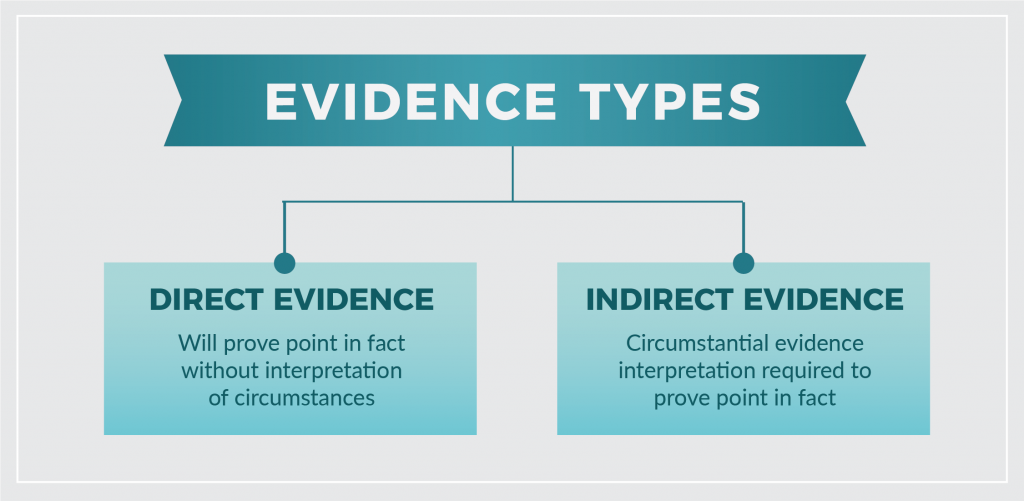
To make your case stronger, gather as much information as possible:
- Medical records: This includes doctors’ notes, test results, surgeries, and discharge papers.
- Financial records: These will show the costs of care related to the injury caused by malpractice.
- Witnesses: Statements from anyone who witnessed the incident or can speak to the harm caused.
Compensation in Medical Malpractice Cases

If you win a malpractice case, the amount of compensation you receive can vary widely. On average, patients in the U.S. receive about $329,565 in compensation. Several factors affect this amount, including:
- The severity of the injury
- The type of negligence involved
- The impact of the injury on the patient’s life, both physically and financially
- The strength of the evidence presented
- Expert testimony
- The laws and regulations in your area
FAQs
Q: How long do I have to file a medical malpractice lawsuit?
A: The statute of limitations for filing a medical malpractice lawsuit is typically two to three years from the date of the incident. However, this varies by state.
Q: How much can I expect to receive in compensation for medical malpractice?
A: The amount of compensation varies based on the severity of the injury and the specifics of the case. On average, patients receive around $329,565, but it can be higher or lower.
Q: Can medical malpractice happen accidentally?
A: Yes, not all poor outcomes are medical malpractice. To prove negligence, it must be shown that the healthcare provider’s actions were outside the acceptable standard of care.
Q: Can I sue a hospital for medical malpractice?
A: Yes, you can sue a hospital if it is found responsible for malpractice, either due to the actions of its employees or the facility’s failure to meet healthcare standards.
Q: How do I find out if a healthcare provider has been sued for malpractice?
A: You can check databases like DocInfo, the Federation of State Medical Boards, or search online for lawsuits filed against the provider. Additionally, you can contact your state’s licensing board for more information.
Conclusion: Medical Malpractice and Your Legal Rights
Medical malpractice is a serious issue that can result in significant harm to patients. If you or a loved one has been harmed due to the negligence of a healthcare provider, you have the right to seek compensation. However, proving medical malpractice in court can be challenging. It requires thorough documentation, expert opinions, and a solid understanding of the law.
If you suspect that you’ve been a victim of medical malpractice, it’s crucial to consult with a skilled attorney who can guide you through the process. Taking the right steps early on, gathering strong evidence, and having the right legal team can greatly increase your chances of success.