Abdominal CT Scans: A Simple Guide to What They Are and How They Work
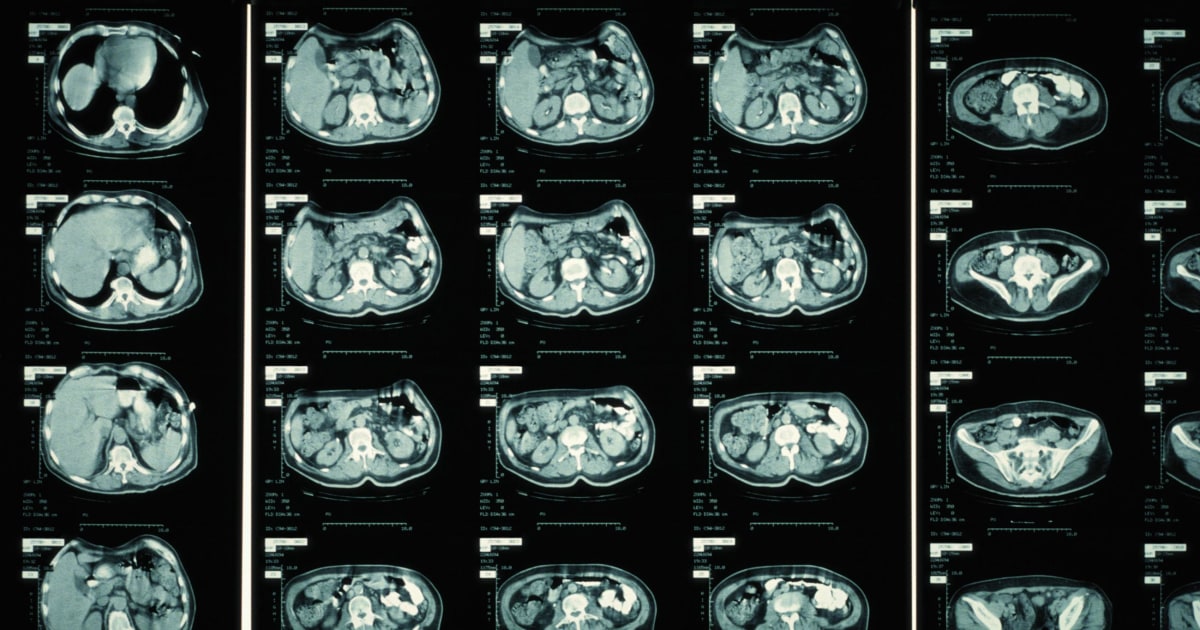
Abdominal CT scans are powerful diagnostic tools that help doctors detect a variety of health issues like cancer, blood clots, kidney or bladder stones, infections, and much more. These scans are especially useful when there’s a need to examine organs in the abdomen, either after a traumatic injury or to diagnose specific diseases. If you’re about to have one, here’s what you should know about abdominal CT scans, including how they work, what they can show, and the potential risks involved.
What Abdominal CT Scans Can Show
:max_bytes(150000):strip_icc()/GettyImages-1306894722-a79401c3fb2445eab708230d31920c73.jpg)
Abdominal CT scans are often used to diagnose and evaluate many conditions affecting the abdomen. These include:
- Blood system issues: such as aneurysms or blood clots in blood vessels
- Kidney stones
- Abdominal abscesses (pockets of infection)
- Inflammatory bowel diseases like Crohn’s disease and ulcerative colitis
- Traumatic injuries to abdominal organs
- Cancers: such as liver, kidney, or lymphoma
- Sudden abdominal pain: from issues like appendicitis or small bowel obstruction
Doctors also use CT scans for specialized procedures, like:
- Guided biopsies (taking tissue samples)
- Draining abscesses
- Post-surgical evaluations (for example, checking on organ transplants)
- Cancer staging and radiation therapy planning
What Abdominal CT Scans Can’t Show
Although abdominal CT scans are incredibly useful, they don’t always provide the best results for every condition. For example, they may not be the right choice for:
- Cholecystitis (inflammation of the gallbladder)
- Ectopic pregnancy (pregnancy outside the uterus)
- Normal pregnancy
- Ovarian torsion (when the ovary twists on its ligaments)
If your doctor suspects any of these conditions, they may recommend other tests.
How an Abdominal CT Scan Works
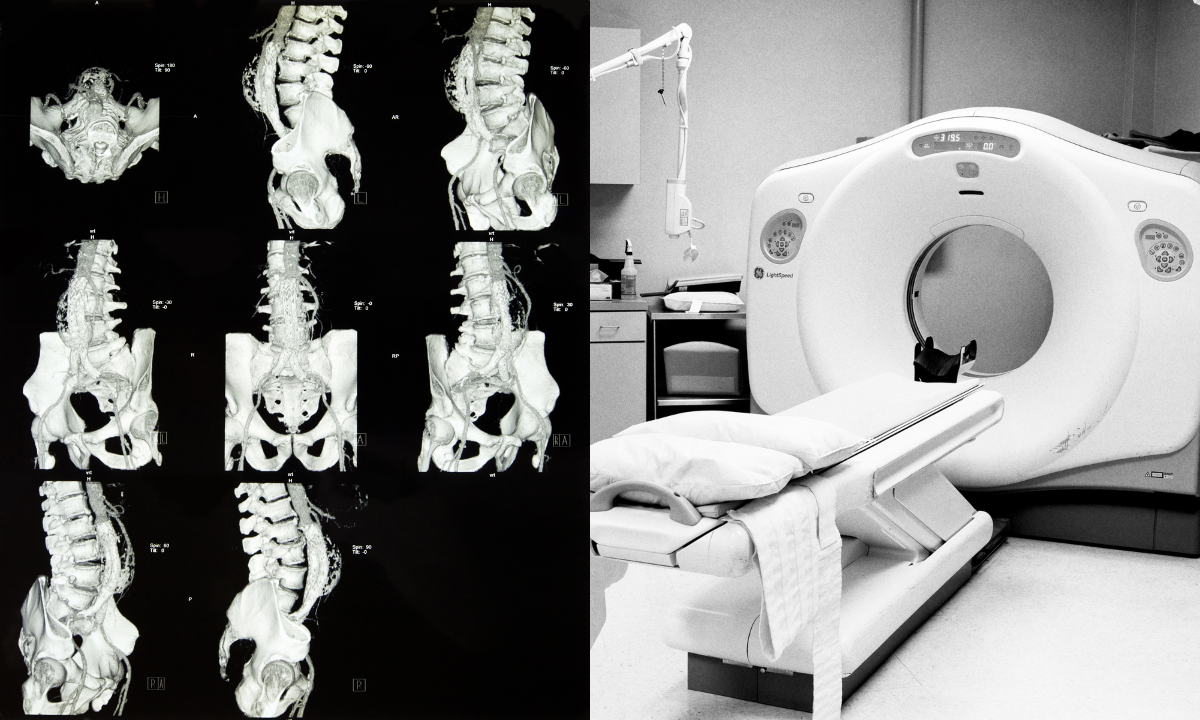
Here’s a simple breakdown of what happens when you get an abdominal CT scan:
Before the Scan:

You’ll typically be given instructions before the procedure. You may need to avoid eating or drinking for a few hours, and you should wear loose, comfortable clothing (without jewelry). If contrast dye is involved, you might need to arrive earlier to take the oral contrast solution.
On the Day of the Scan:

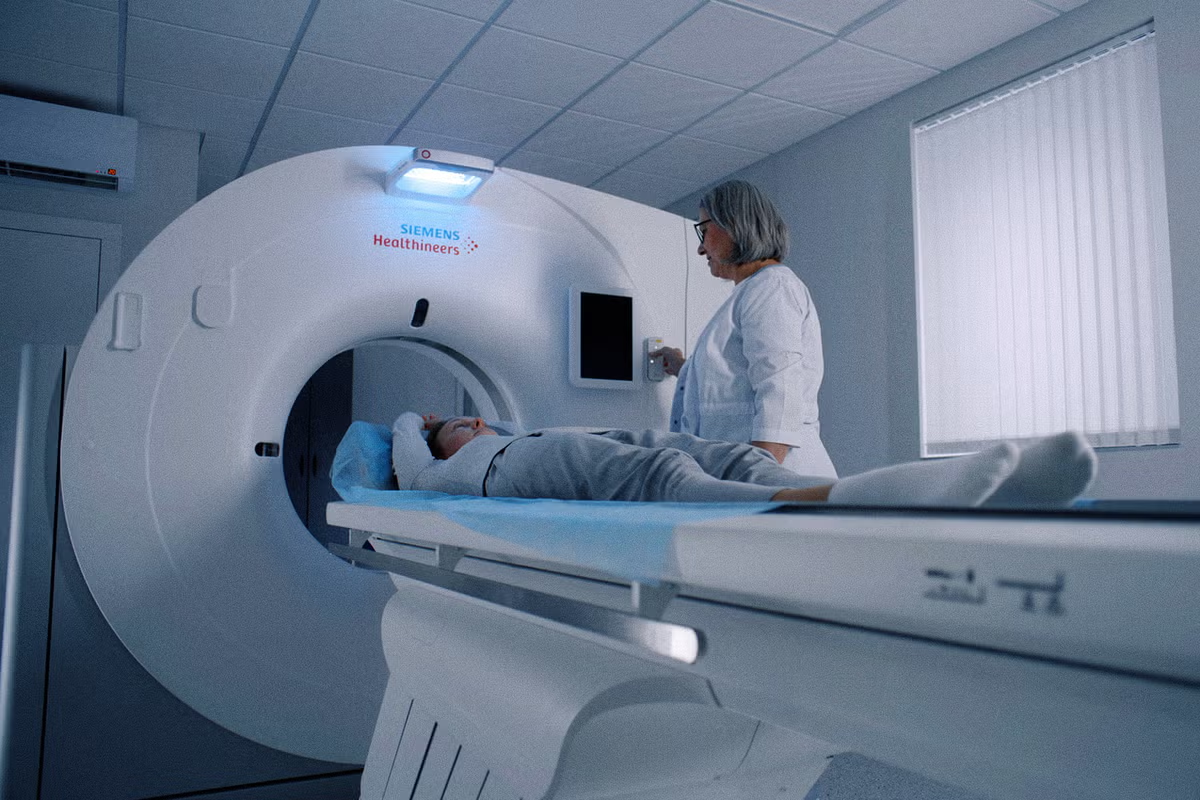
When you arrive, you’ll change into a hospital gown. A technician will guide you to the CT table, where you’ll lie on your back. You’ll be positioned carefully with straps or pillows to make sure you stay still during the scan. If you’re having a scan with contrast dye, the technician will administer it, and the CT table will move back and forth to capture the necessary images. The whole process usually takes less than 10 minutes.
With or Without Contrast Dye:

In some cases, contrast dye is used to make organs and abnormalities stand out more clearly in the scan. This dye can be injected into your veins (IV contrast), taken orally, or sometimes used rectally. It’s particularly helpful for detecting:
- Trauma to abdominal organs
- Bowel diseases like Crohn’s disease
- Appendicitis or abscesses
- Intestinal blockages
- Tumors or cancers
If contrast dye is not needed, the scan can be done without it, such as when detecting kidney stones or certain infections.
Understanding Abdominal CT Scan Results

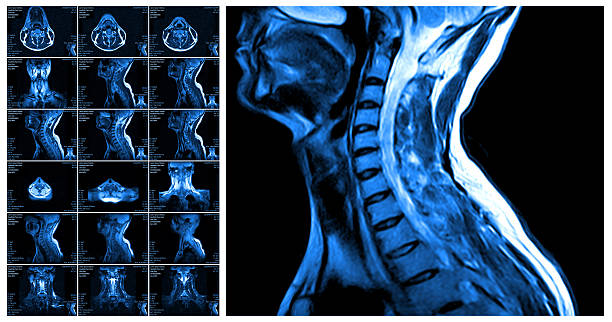
Abdominal CT scans can be complex. After the scan, a radiologist will review the images and prepare a report, which will be sent to your doctor. Your doctor will then discuss the findings with you and develop a treatment plan based on what was discovered.
Radiation Risk in Abdominal CT Scans
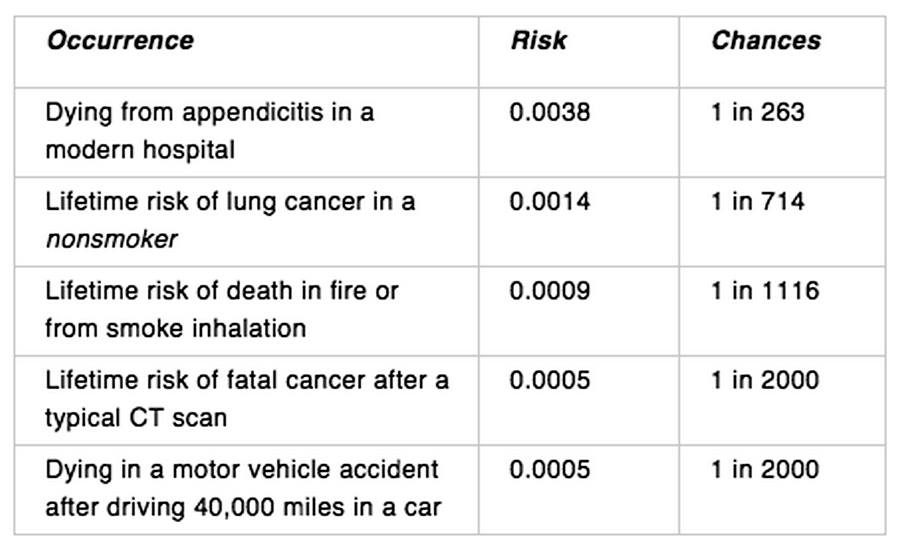
CT scans use ionizing radiation to create images, which is linked to a slight increase in cancer risk. However, the radiation from a CT scan is much higher than that of regular X-rays, but the risk is still relatively small. To minimize radiation exposure, the technologist will take steps to limit your exposure, and because the scan is quick (less than 10 minutes), the risk is reduced.
Who Should Avoid a CT Scan?
While there are no absolute reasons to avoid an abdominal CT scan, there are certain circumstances where extra care is needed. If you’re pregnant, have kidney disease, or have an allergy to contrast dye, your doctor will take additional precautions. Always inform your healthcare provider of any allergies or medical conditions before undergoing a CT scan.
Risks of CT With Contrast Dye
While contrast dye enhances the quality of the scan, it does come with potential risks. Allergic reactions to the dye can occur, with some individuals being more prone to them, such as those with multiple drug allergies, asthma, or a history of severe allergic reactions. Since the dye is cleared through the kidneys, it’s essential to check kidney function before using it. If your kidney function is not ideal, the doctor may suggest alternative options.
Shellfish Allergy and Contrast Dye

There’s a common misconception that having a shellfish allergy increases the risk of a reaction to CT contrast dye, but that’s not true. While both contain iodine, the type of iodine in shellfish is different from the iodine used in contrast dye. So, a shellfish allergy doesn’t affect your risk of having a reaction to the dye.
FAQs:
Q: How long does an abdominal CT scan take?
A: The scan itself usually takes less than 10 minutes, though you may need to allow extra time for preparation.
Q: Should I be concerned about the radiation from a CT scan?
A: While CT scans do use radiation, the amount is generally low, and the benefits usually outweigh the risks. The scan is quick, which also helps minimize exposure.
Q: Can I eat or drink before the scan?
A: You may be asked to avoid eating or drinking for a few hours before your CT scan, especially if you’re having a scan with contrast dye.
Q: What if I’m allergic to shellfish?
A: A shellfish allergy does not increase the risk of a reaction to the contrast dye used in CT scans. However, you should inform your doctor of any allergies before the scan.
Q: Is contrast dye safe?
A: Contrast dye is generally safe, but it can cause allergic reactions in some people. Your doctor will assess your medical history to ensure it’s safe for you.
Q: How do I get my CT scan results?
A: The radiologist will review your scan and send a report to your doctor. Your doctor will discuss the results with you and determine the best course of action for treatment.
Summary: Key Takeaways
Abdominal CT scans are a valuable tool for diagnosing various conditions, from kidney stones and infections to cancers and abdominal injuries. Although they come with some risks—especially related to radiation and contrast dye—these risks are generally small. The procedure is quick, usually taking about 10 minutes, and your doctor will work with you to understand the results and decide on the next steps for treatment.