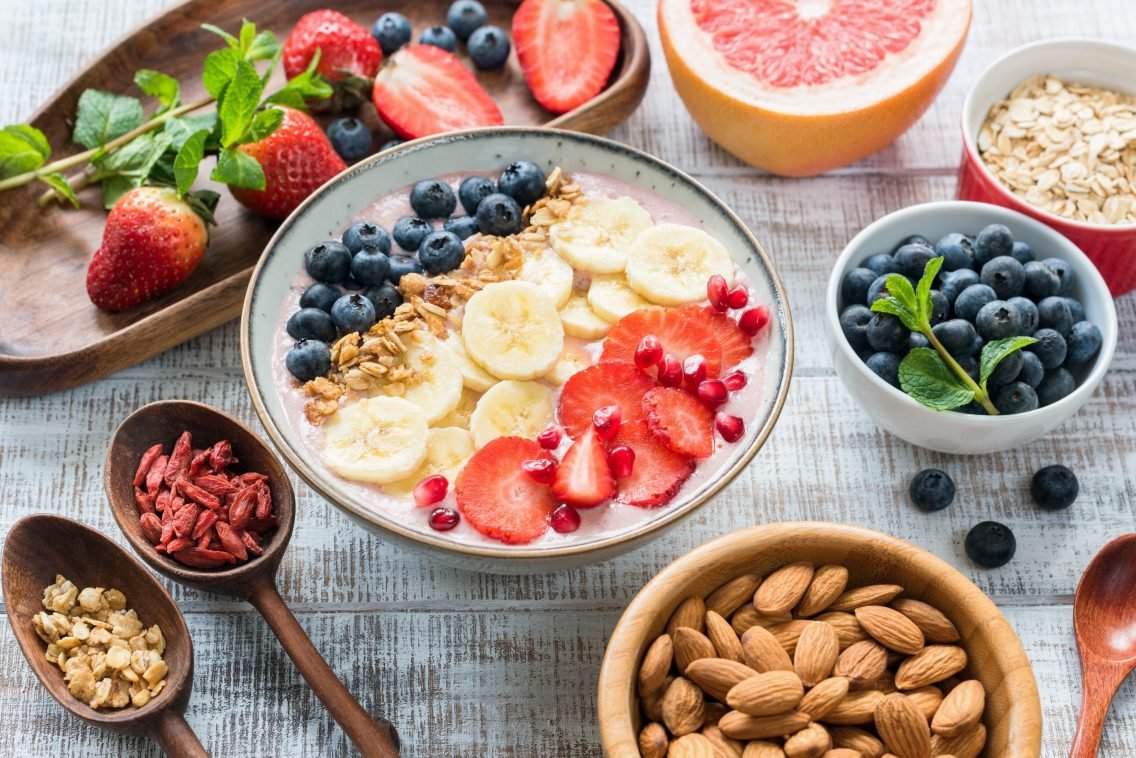
To eat healthier, begin with small tweaks. Focus on including nutrient-packed foods in every meal or snack, and cut back on processed options.
Eating well doesn’t need to be overwhelming. You can fuel your body and still savor the foods you enjoy. Food is about pleasure—not something to stress over, measure, or obsessively track.
Keep reading to understand what healthy eating really means and how to make it fit your life.
Why does eating healthy matter?
Food is your body’s fuel, providing the calories and nutrients it needs to run smoothly. If your diet lacks enough calories or key nutrients, your health could take a hit.
On the flip side, eating too many calories can lead to weight gain. Obesity raises the risk of serious conditions like:
- Type 2 diabetes
- Obstructive sleep apnea
- Heart disease
- Liver disease
- Kidney disease
Plus, the quality of your diet impacts your disease risk, lifespan, and even mental health.
Research shows that diets heavy in ultra-processed foods are tied to higher mortality rates. They’re also linked to a greater chance of developing illnesses like cancer and heart disease.
Meanwhile, diets focused on whole, nutrient-rich foods—like the Mediterranean diet—are associated with a longer, healthier life.
Highly processed diets might even contribute to depression, especially in less active people.
If your current diet is packed with processed foods and drinks but low in whole foods like veggies, nuts, and fish, you’re likely missing key nutrients. This can take a toll on your overall health.
Do you need a strict diet to eat healthy?
While some people avoid certain foods for health reasons, there’s no single “perfect” diet. Healthy eating just means giving your body mostly nourishing foods.
What that looks like varies—depending on your budget, culture, location, and taste.
The basics of healthy eating
Nutrient density
Calories matter, but nutrients are the real priority. Your body needs protein, carbs, fats, vitamins, and minerals to thrive. “Nutrient density” measures how much nutrition a food delivers per calorie.
Not all foods are equal here. For example:
- Egg whites are low in calories but provide very little iron, zinc, or vitamins.
- Whole eggs, though higher in calories, pack way more nutrients—like 5–21% of your daily needs for key vitamins and minerals.
Some nutrient-dense foods (like fruits and veggies) are low in calories. Others (like nuts, avocado, and fatty fish) are higher—and that’s fine! High-calorie doesn’t mean unhealthy, just as low-calorie doesn’t always equal healthy.
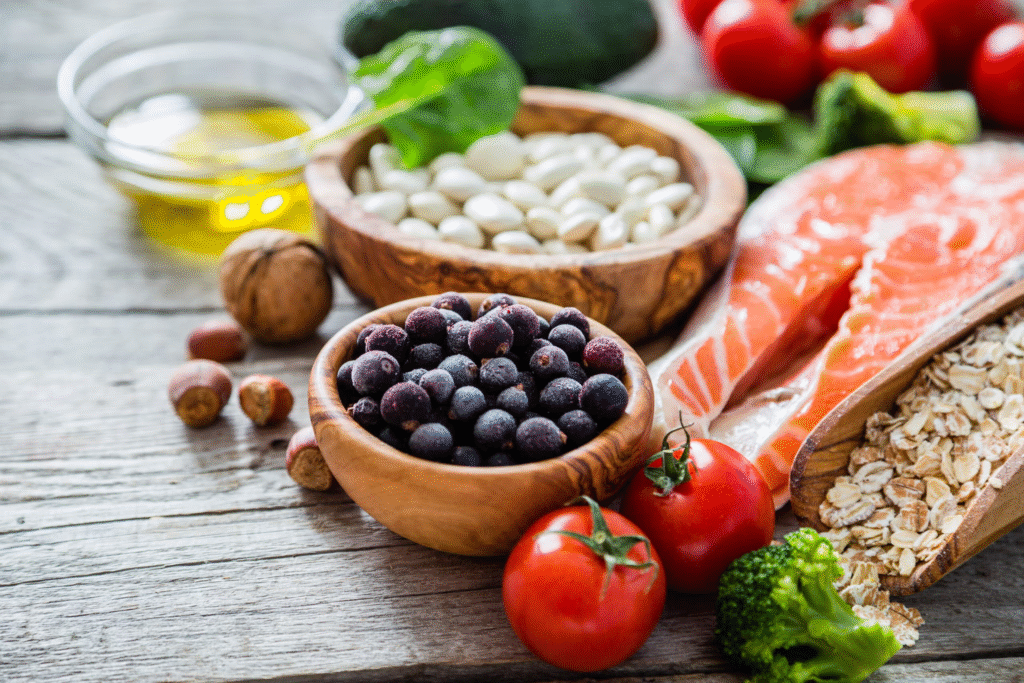
Aim for foods rich in protein, fiber, healthy fats, vitamins, and minerals. Think vegetables, fruits, nuts, seeds, beans, fatty fish, and eggs.
Diet diversity
Eating a variety of foods:
- Supports gut health
- Helps maintain a healthy weight
- Boosts longevity
- Lowers chronic disease risk
If you’re a picky eater, introduce new foods slowly. Start by adding one favorite veggie to a meal or two each day. Over time, you’ll adjust—studies show repeated exposure helps you accept new flavors.
Macronutrient balance
Carbs, fats, and protein are your main nutrients (fiber counts as a carb). Balanced meals with all three keep you full and satisfied.
For example, pairing fruit with nut butter or cheese is more filling than fruit alone.
But you don’t need to obsess over macros unless you’re an athlete or have specific health goals. Strict tracking can lead to unhealthy fixations.
Some people do well on low-carb or low-fat diets—but even then, counting isn’t usually necessary. Just choose foods that fit your preference naturally.
Processed foods
Cutting back on ultra-processed foods is a game-changer. Not all processed foods are bad (think canned beans or frozen veggies), but avoid stuff like soda, candy, and packaged snacks with few real ingredients.
How to make healthy eating work for you
Start by prioritizing food—no need for elaborate meals, just a little planning. Regular grocery trips keep your kitchen stocked with healthy options.
Shop for:
- Fresh and frozen fruits/veggies
- Proteins like chicken, eggs, fish, tofu
- Carbs like beans, whole grains, starchy veggies (potatoes, sweet potatoes)
- Healthy fats like avocado, olive oil, full-fat yogurt
- Simple snacks: nuts, seeds, hummus, olives
The “Rule of Threes” for meals:
- Protein (eggs, chicken, fish, tofu)
- Fat (nuts, avocado, cheese, yogurt)
- Fiber-rich carbs (oats, beans, berries, veggies)
If cooking is new, start with one or two meals a week. Build from there.
Building a healthy relationship with food
Restrictive diets and “cheat days” often backfire. Instead, work with professionals (like a dietitian or therapist) to create a balanced approach.
Extra tips:
- Cook at home—even once a week makes a difference.
- Progress over perfection—small steps count.
- Skip the “cheat” mindset—all foods can fit.
- Stay hydrated—water is best (add lemon or fruit for flavor).
- Don’t force foods you hate—plenty of healthy alternatives exist.
A dietitian can help tailor a plan to your needs.
The bottom line
Healthy eating varies by person, but it’s usually rich in whole foods, low in processed stuff, and full of satisfying meals. For personalized advice, consult a dietitian.