What Are Oats and Oatmeal?
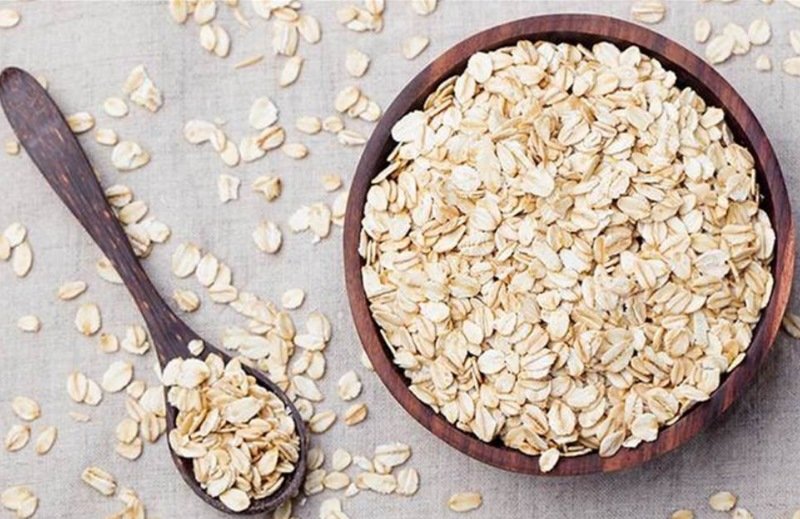
Oats are a whole-grain food, scientifically known as Avena sativa.
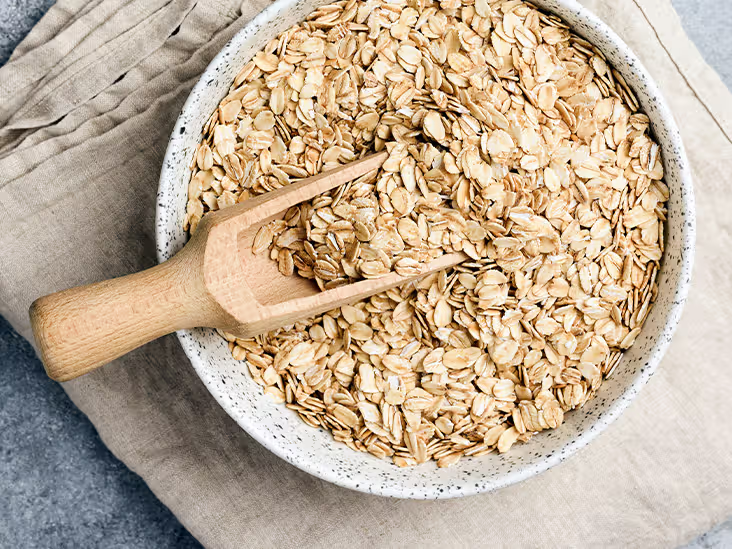
The least processed form is oat groats, which take a while to cook. That’s why most people go for rolled, crushed, or steel-cut oats instead.
Instant (or quick) oats are the most processed type. They cook the fastest, but the texture can turn out a bit mushy.
Oats are a popular breakfast choice, often boiled in water or milk to make oatmeal—also called porridge. They’re also a common ingredient in muffins, granola bars, cookies, and other baked goods.
1. Oats Are Packed with Nutrients
Oats have a great balance of nutrients. They’re rich in carbs and fiber, including a special kind called beta-glucan.
They also provide high-quality protein with a good mix of essential amino acids. Plus, they’re loaded with vitamins, minerals, and plant-based antioxidants.
A half-cup (40.5 g) of dry oats contains:
- Manganese: 63.9% of the Daily Value (DV)
- Phosphorus: 13.3% DV
- Magnesium: 13.3% DV
- Copper: 17.6% DV
- Iron: 9.4% DV
- Zinc: 13.4% DV
- Folate: 3.2% DV
- Vitamin B1 (thiamin): 15.5% DV
- Vitamin B5 (pantothenic acid): 9.1% DV
- Smaller amounts of calcium, potassium, vitamin B6 (pyridoxine), and vitamin B3 (niacin)
One cup of cooked oatmeal (made with ½ cup dry oats and water) provides:
- Carbs: 27.4 g
- Protein: 5.3 g
- Fat: 2.6 g
- Fiber: 4 g
- Calories: 153.5
2. Whole Oats Are Full of Antioxidants
Oats are loaded with antioxidants, especially a unique group called avenanthramides, which are almost exclusive to oats.
Research suggests avenanthramides help reduce oxidative stress by boosting nitric oxide production, which helps widen blood vessels for better circulation. They also have anti-inflammatory and anti-itching effects.
Beta-glucan may also help lower blood pressure, though more studies are needed.
3. Oats Have a Powerful Soluble Fiber
Oats are rich in beta-glucan, a soluble fiber that forms a gel-like substance in your gut. Benefits include:
- Lower blood sugar and insulin response
- Better growth of good gut bacteria
- Help with managing type 2 diabetes
4. Oats Can Lower Cholesterol
Heart disease is the world’s leading cause of death, and high cholesterol is a major risk factor.
Studies show that beta-glucan in oats helps reduce both total and LDL (“bad”) cholesterol. It does this by increasing bile (which contains cholesterol) excretion, lowering cholesterol levels in the blood.
Oats may also prevent LDL cholesterol from oxidizing, which is key in heart disease progression. Oxidized LDL causes artery inflammation, tissue damage, and raises the risk of heart attacks and strokes.
5. Oats Help Control Blood Sugar
Type 2 diabetes involves high blood sugar levels, often due to reduced insulin sensitivity.
Oats—especially their beta-glucan—can help lower blood sugar by forming a thick gel that slows stomach emptying and glucose absorption. Beta-glucan may also improve insulin sensitivity.
A 2021 review found that oat beta-glucan with carb-heavy meals reduces blood insulin levels, though the effect depends on how much oats you eat.
6. Oatmeal Keeps You Full and May Aid Weight Loss
Oatmeal isn’t just tasty—it’s super filling. Eating foods that keep you satisfied can help cut calories and support weight loss.
Beta-glucan delays stomach emptying, boosting fullness. It also increases peptide YY (PYY), a hormone that reduces hunger and may lower obesity risk.
7. Ground Oats Can Benefit Skin Care
You’ll often find oats in skincare products, labeled as colloidal oatmeal. The FDA approved it as a skin protectant in 2003, but oats have long been used to soothe itchiness and irritation, like in eczema.
Note: These benefits apply only to oats applied to the skin, not eaten.
8. Oats May Reduce Childhood Asthma Risk
Asthma is the most common chronic lung condition in kids, causing coughing, wheezing, and breathing difficulties.
Some research suggests early oat introduction might protect against asthma, though more studies are needed.
9. Oats Can Ease Constipation
Constipation—infrequent, hard-to-pass stools—affects about 16% of adults and 33% of those over 60.
Oat bran (the fiber-rich outer layer) may help relieve constipation and improve digestion in people with ulcerative colitis. However, it’s less effective for opioid-induced constipation since it doesn’t counteract slowed colon movement.
How to Add Oats to Your Diet
Oats are super versatile. The easiest way? Oatmeal for breakfast.
Basic Oatmeal Recipe:
- ½ cup rolled oats
- 1 cup (250 ml) water or milk
- A pinch of salt
Cook on the stove until soft. For extra flavor and nutrition, add cinnamon, fruit, nuts, seeds, nut butter, or yogurt.
Oats also work in baked goods, muesli, granola, and bread.
Gluten note: While oats are naturally gluten-free, cross-contamination can happen. If you have celiac disease or gluten sensitivity, choose certified gluten-free oats.
Frequently Asked Questions
Is eating oats daily healthy?
A 2020 study found that daily oat bran helped people with inactive ulcerative colitis stay symptom-free. Just know that high fiber intake may change your bowel habits.
What’s the difference between wheat and oats?
Both contain carbs, protein, vitamins, and minerals (like magnesium, zinc, and iron). But oats are naturally gluten-free, while wheat isn’t.
Are oats carbs or protein?
Oats are a grain (carb), but ½ cup dry oats also has 5.3 g of protein.
Are oatmeal and oats the same thing?
Oats are the whole grain; oatmeal is the porridge made from them.
Are oats a superfood?
They’re incredibly nutrient-dense, so many consider them a superfood—though there’s no official definition for the term.
The Bottom Line
Oats are a powerhouse of nutrients, fiber, and unique compounds like beta-glucan and avenanthramides. Benefits include:
- Lower cholesterol and blood sugar
- Skin protection
- Reduced constipation
- Increased fullness for weight management
All in all, oats are one of the healthiest foods you can eat.